Sleep, Appetite, Gene-Editing Experts Contend for Nobel Chemistry Prize
Clarivate says research on GLP-1, DNA sequencing and sleep molecules is among the leading contenders for the 12-million-kronor award.
5 Articles
5 Articles

This year's Nobel Prize in Chemistry could be about molecularly thin, smart surface layers that protect against corrosion in electronics or act as highly accurate disease tests. The prize could also be about skeletal editing. Here are some of the researchers tipped to win the prize.

Sleep, appetite, gene-editing experts contend for Nobel chemistry prize
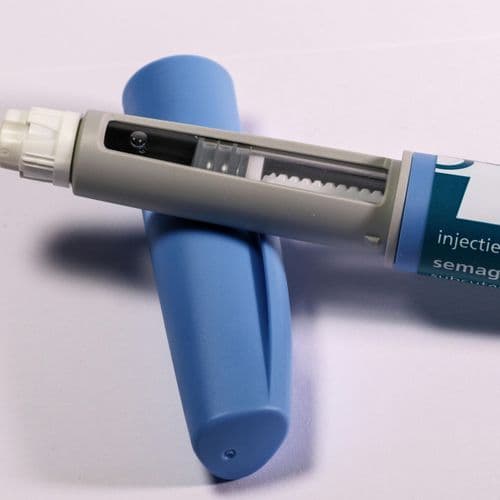
The winner or winners of the award are scheduled to be named by the Royal Swedish Academy of Sciences in Stockholm at 11:45 am (0945 GMT). Last year, the jury honoured Japan's Susumu Kitagawa, UK-born Richard Robson and American-Jordanian Omar Yaghi for developing a method of designing molecular structures. This year, data analytics firm Clarivate predicted that research into the hunger-regulating hormone glucagon-like peptide 1 (GLP-1) was a co…

Unless the Nobel Prize in Chemistry distinguishes from work on the development of photovoltaic cells. Or research on hormones regulating appetite and sleep. Since the list of nominees is confidential, a game of guesses is played every year by journalists, experts and bookmakers to try to guess the winner(s). The verdict will be rendered by the Nobel Committee at 11:45 (09H45 GMT) from the Royal Academy of Sciences in Stockholm. Chemistry is the …

The award will be announced Wednesday at 6:45 a.m.

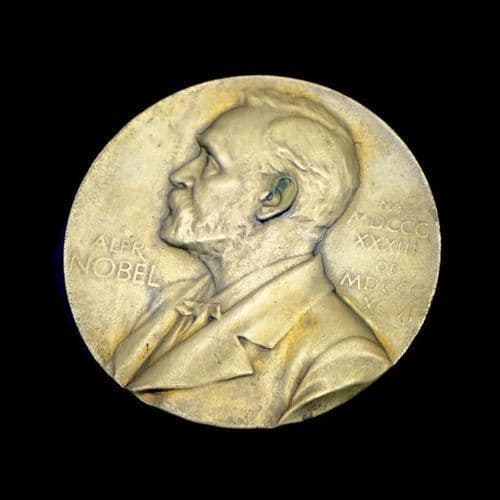
The Royal Swedish Academy of Sciences will announce the winner of the Nobel Prize in Chemistry on Wednesday in Stockholm. This year, the award will be endowed with 12 million Swedish crowns (1.06 million euros). Traditionally, the prize will be presented on 10 December, the anniversary of the death of the founder Alfred Nobel.
Coverage Details
Bias Distribution
- 50% of the sources are Center, 50% of the sources lean Right


Factuality
To view factuality data please Upgrade to Premium