If Humans Visit The Lunar South Pole, Microbes We Leave Behind May Survive There Surprisingly Well
5 Articles
5 Articles

Nasa maps Moon's south pole regions where Earth bacteria and fungi could survive for more than a day
Recent research highlights that Earth microbes, including select bacteria and fungi, may endure in the shaded pockets of the lunar south pole for several days. Among them, Aspergillus demonstrates remarkable resilience, surviving in some conditions for over a week. These findings pose significant implications for future lunar exploration, particularly for NASA's Artemis missions, as understanding these organisms is vital for scientific advanceme…


Some of the Earth's microbes that are likely to travel to the shuttle space with human explorers can survive in the shaded corners of the South Pole of the Moon region, according to Nasa scientists. Published on August 19, 2026 in Science Advances, these discoveries highlight the need for a better understanding of microbial persistence in extreme lunar environments. As humans establish a permanent presence on the Moon, it can become difficult to…

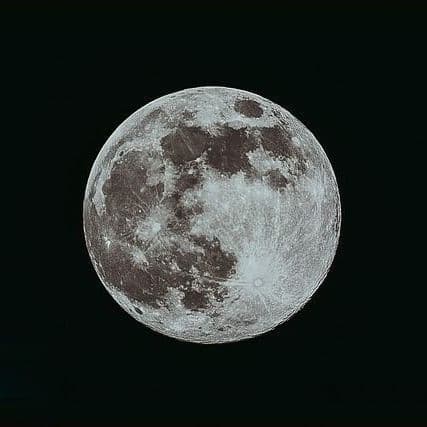
Some forms of terrestrial life could live on the Moon, despite the extremely hostile environmental conditions. The southern pole of our satellite would be one of the most "hospital" areas even if it concerns only a limited number of microbes.

The Moon is an inhospitable place: it lacks breathable air, has extreme temperatures and is exposed to constant space radiation. That’s why astronauts wear space suits and ships are armored. But, what happens to microbes that will inevitably travel into space...
Coverage Details
Bias Distribution
- 50% of the sources lean Left, 50% of the sources lean Right


Factuality
To view factuality data please Upgrade to Premium