Mexico, Washington Sprint Toward Bilateral Trade Deal Before U.S. Elections
- Mexico and the United States are racing to reach a bilateral trade deal before the U.S. midterm elections in less than eight weeks, an effort made more urgent by the collapse of Canadian negotiations with Washington.
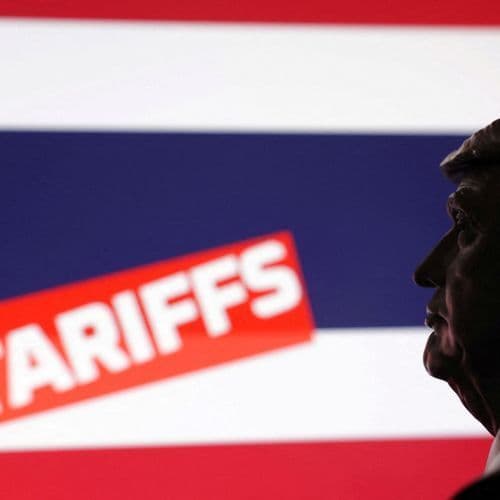
- Under Section 232 national security tariffs, steel faces 50 percent tariffs while vehicles are subject to a 25 percent duty, remaining a major hurdle in current negotiations.
- Automakers believe Mexico could secure a framework featuring a 15 percent vehicle tariff with additional reductions for U.S. content, dropping the effective rate to roughly 7 percent.
- Commerce Secretary Howard Lutnick met virtually with Mexican President Claudia Sheinbaum on Thursday to discuss trade, as officials view reaching a deal before November 3 elections as a political win for both leaders.
- Sheinbaum views a successful trade deal as critical to reassuring investors amid a struggling economy, and her administration remains committed to ongoing dialogue with Washington to finalize an agreement.
35 Articles
35 Articles
 Journal Gazette & Times-Courier


Mexico, US sprint toward trade deal
MEXICO CITY — Mexico and the United States are racing to reach a bilateral trade deal before the U.S. midterm elections in less than eight weeks, according to six sources in both countries familiar with the talks, an effort made…


New agreement. The US and Mexican authorities are rushing to reach an agreement before the elections The American and Mexican authorities have staged a real negotiating sprint, trying to agree on a bilateral trade deal..
New agreementThe US and Mexican authorities are rushing to reach an agreement before the electionsThe American and Mexican authorities have staged a real negotiating sprint, trying to agree on a bilateral trade deal before the midterm elections to the...


Mexico and U.S. Working Faster on Bilateral Trade Agreement to Conclude Before Midterm Election
The missing aspect in all USMCA/CUSMA trade discussions is the simple fact that President Trump and U.S. Trade Ambassador Jamieson Greer would prefer bilateral trade agreements. The reason is simple and is highlighted in all the problems with the three-party USMCA. Two countries can negotiate based on their individual interests; multiple country assemblies get complicated. […]

Coverage Details
Bias Distribution
- 47% of the sources are Center


Factuality
To view factuality data please Upgrade to Premium