Published • loading... • Updated
Mammograms can do more than detect breast cancer – they also offer important clues on heart health
State law now requires mammography centers to tell patients when scans show a marker linked to higher cardiovascular risk, officials said.
- In October 2026, Maryland became the first state to require mammography centers to notify patients in writing if breast arterial calcification appears on their scans.
- Breast arterial calcification, or BAC, refers to calcium deposits in medium-sized arteries carrying blood to the breast; research indicates these deposits signal elevated cardiovascular risk, including heart failure or stroke.
- A meta-analysis of 45 published studies involving more than 68,000 women confirms BAC predicts cardiovascular risk, while artificial intelligence tools now allow radiologists to measure these deposits without extra radiation.
- Doctors can integrate BAC findings into the American Heart Association's PREVENT calculator to estimate cardiovascular risk over the next 10 years, guiding decisions on lifestyle changes or medication.
- Experts emphasize BAC does not cause heart disease, and its absence does not rule out cardiovascular issues; because reporting practices vary, patients should look for 'breast arterial calcification' in radiologist reports.
Insights by Ground AI
25 Articles
25 Articles

Mammograms can do more than detect breast cancer—they also offer important clues on heart health
If you're a woman over 40, you have no doubt heard your doctor tell you to get a mammogram as part of routine screening for breast cancer. But there's another reason, too.
·Douglas, United Kingdom
Read Full Article The Conversation
+23 Reposted by 23 other sources


Mammograms can do more than detect breast cancer – they also offer important clues on heart health
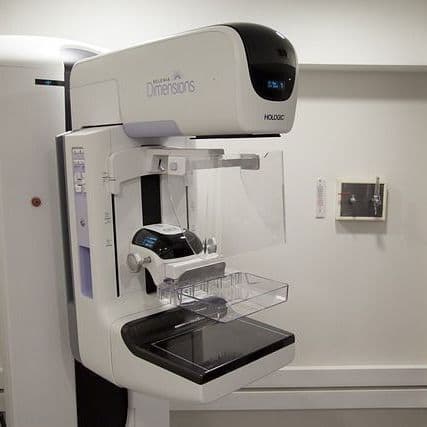
Breast arterial calcification, or BAC, is easily visible on mammograms, and research shows it can add important insights about a woman's risk of heart disease or stroke. peakSTOCK/iStock via Getty ImagesIf you’re a woman over 40, you have no doubt heard your doctor tell you to get a mammogram as part of routine screening for breast cancer. But there’s another reason, too. A mammogram can show no sign of breast cancer and still reveal something w…
·Boston, United States
Read Full ArticleCoverage Details
Total News Sources25
Leaning Left5Leaning Right2Center18Last UpdatedBias Distribution72% Center
Bias Distribution
- 72% of the sources are Center
72% Center
L 20%
C 72%


Factuality
To view factuality data please Upgrade to Premium