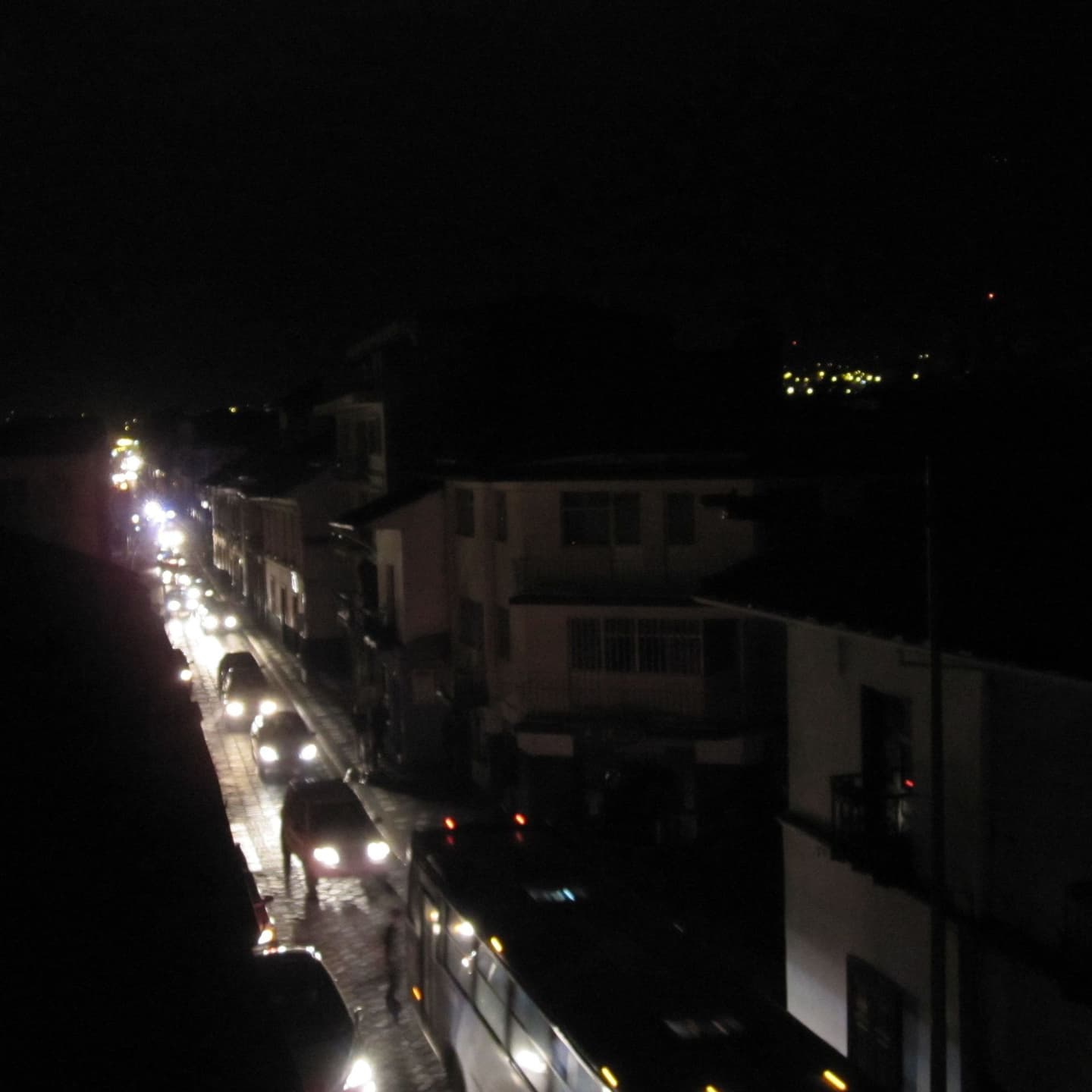
Kyiv, Region Switch to Hourly Power Outage Schedules
- DTEK announced hourly power outage schedules for Kyiv and the Kyiv region on Tuesday, mainly during the evening.
- In the Kyiv region, half of consumers were scheduled to lose power for 2.5 to 3.5 hours between 3 p.m. and the end of the day.
- Kyiv residents were told to check outage schedules by address because the city had no clearly defined outage groups.
- Ukrenergo said Russian shelling damaged the power grid, prompting restrictions for businesses and households in several regions.
38 Articles
38 Articles

In some areas, hour-to-hour cut-off schedules for all categories of consumers are applied 24 hours a day, but they have doubled to three rounds.

Ukrainian troops are gaining land gains near Lyman. Meanwhile, Russian attacks on Kiev are increasingly hitting civilians – and daily power shutdowns are crushing the population. WORLD reporter Christoph Wanner reports.

Wednesday evening, power cuts plunged parts of Kiev into darkness, disrupting vehicle traffic and leading to disruptions of water supply on the (Western) right bank in the capital. The approach of winter makes the repetition of last year's scenario fear. Our follow-upFind here all our articles about the war in Ukraine

Measures to restrict electricity supply were instituted in Kiev, Ukrainian operator DTEK announced on Tuesday, following massive Russian attacks on energy infrastructure, reports AFP.

On Wednesday, October 7, due to the consequences of Russian shelling in parts of the regions of Ukraine, measures to limit electricity consumption will take effect.

Lights will not be switched off throughout Ukraine. On 7 October, the following restrictions will be applied in part of Ukraine. On 7 October, the following restrictions will be applied: from 00 a.m. to 11:59 p.m.; from 00 a.m. to 23:59 p.m., the cut-off graphs for all categories of consumers (from 0.5 to 1.5 a.m.); and on 7 October, the Ukrenergo stated that the reason for the restrictions was Russian attacks on energy facilities. Ukrainians we…
Coverage Details
Bias Distribution
- 39% of the sources lean Left, 38% of the sources lean Right


Factuality
To view factuality data please Upgrade to Premium