Israeli voter turnout hits 53-year high as Netanyahu fights to stay in power
The surge turned the vote into a referendum on Benjamin Netanyahu’s wartime leadership, with turnout 8.2 points above 2022 levels, officials said.
- On Tuesday, Israelis surged to the polls at the fastest rate in 53 years, passing wartime judgment on Prime Minister Benjamin Netanyahu in the first election since the October 7, 2023, Hamas-led attacks.
- Netanyahu, Israel's longest-serving leader with 19 years in office, faces intense scrutiny over security failures and polarizing policies that critics argue have deepened international isolation and weakened democratic institutions.
- Challenger Gadi Eisenkot, a former military chief of staff, campaigns on accountability, stating, "I am convinced that by the end of today, we will see a change." His platform appeals to security hawks and those opposing Netanyahu's far-right coalition.
- Arab voters are participating in "unprecedented" numbers, with Islamist Ra'am party head Mansour Abbas hoping turnout will surpass 70 per cent in Arab communities, prompting far-right National Security Minister Itamar Ben-Gvir to warn of Abbas-led government.
- Opinion polls show a tight race with neither leader facing an easy path to power; Netanyahu could remain as caretaker if neither candidate forms a coalition within Israel's 120-seat parliament.
213 Articles
213 Articles
 Libertad Digital
 udgtv
The polling stations record a historic influx as voters decide on the future government at the polls.

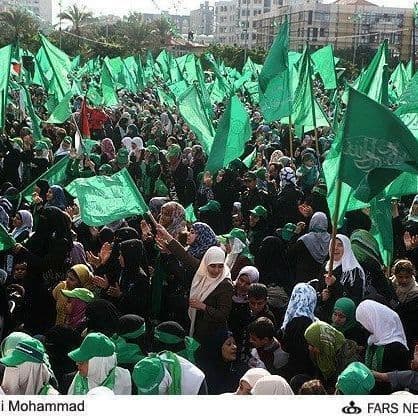
According to AFP, Arab-Israeli voters turned out in large numbers on Tuesday, which has worried Netanyahu.
 Sydney Morning Herald


Record turnout for Israeli election
Prime Minister Benjamin Netanyahu is fighting for his political survival as Israel goes to the polls.

Israel's Central Election Commission has rejected a request by Prime Minister Benjamin Netanyahu's Likud party and other parties to extend voting in the parliamentary elections. Likud submitted the request about four hours before the polling stations were scheduled to close at 10 p.m. The commission said high voter turnout was not sufficient and all voters would be able to cast their ballots.

"High participation at the national level shows strong public involvement in the democratic process, and no need to extend the opening hours of polling stations has been identified," says the Electoral Commission.

Coverage Details
Bias Distribution
- 48% of the sources lean Right


Factuality
To view factuality data please Upgrade to Premium