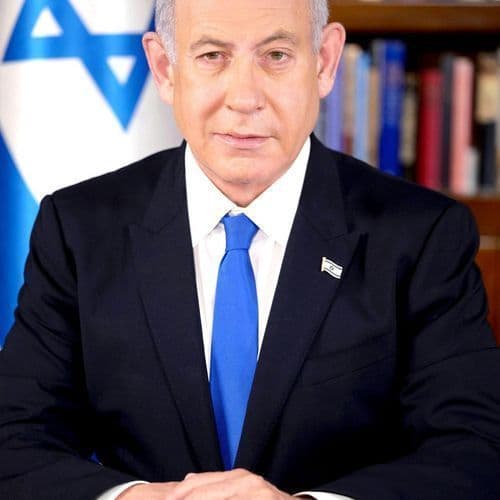
Israel Awaits Final Vote Count as Netanyahu Faces Coalition Talks
- With final results due by November 4, Central Elections Committee data shows Prime Minister Benjamin Netanyahu's bloc secured 53 seats and challenger Gadi Eisenkot's opposition 48 seats in the 120-seat Knesset, leaving neither camp with the 61 seats required for a parliamentary majority.
- Israel's election saw 77.7% turnout, the highest since 1999, yet the result left the Knesset deadlocked, mirroring a pattern of instability where multiple elections between 2019 and 2022 failed to produce stable governing majorities.
- Arab-Led parties secured a record 19 seats, becoming central to coalition math; Benjamin Netanyahu's Likud party alleged the election was "stolen," but the Central Elections Committee and Israeli police rejected these claims, citing no evidence of systematic violations.
- President Isaac Herzog will consult party leaders next week to assign a mandate for forming a government, while Prime Minister Netanyahu remains caretaker prime minister during negotiations with limited policy discretion.
- If negotiations fail, the country could face new elections early next year, as leaders face mounting pressure to address security concerns, though Benjamin Netanyahu's caretaker status limits his ability to act on major policy initiatives.
706 Articles
706 Articles

The former Israeli Prime Minister, leader of the party "Togetha" Naftali Bennett, Sunday, announced his support for the president of the party "Shar" Gadi Eisenkot with a view to forming a government in Israel...

The United List Arab formations (Joint List, 11 seats) and Raíam (8 seats) should propose Gadi Eisenkot as Prime Minister during consultations with the Israeli President...

Nineteen Palestinian MPs offered support for a minority government led by Gadi Eizenkot.

Mixed Iranian reactions to Israel’s election
As election results draw regional attention, some in Tehran argue that a change in Israel's political leadership would do little to alter the country's underlying policy toward Iran.However, an international security expert says an Eisenkot victory could

Probability Of Arab-Jewish Coalition To Govern Israel Grows As Pressure On Netanyahu Mounts
Arab parties are expected to back Zionist opposition leader Gadi Eisenkot's bid to form a government after Israel's inconclusive Knesset election left no bloc with the 61 seats needed to govern.

Gadi Eisenkot, leader of the Yashar Party, which emerged as the strongest opposition force in the Israeli parliamentary elections held on October 27, stated that they will immediately use their majority of Knesset seats, including those of Arab parties, against the current government led by Prime Minister Benjamin Netanyahu.
Coverage Details
Bias Distribution
- 40% of the sources are Center


Factuality
To view factuality data please Upgrade to Premium