How AI Investment Is Complicating the Fed’s Rate Strategy
- The Federal Reserve faces a growing challenge in curbing inflation because the massive AI-related investment boom appears largely resistant to higher interest rates, The New York Times reports.
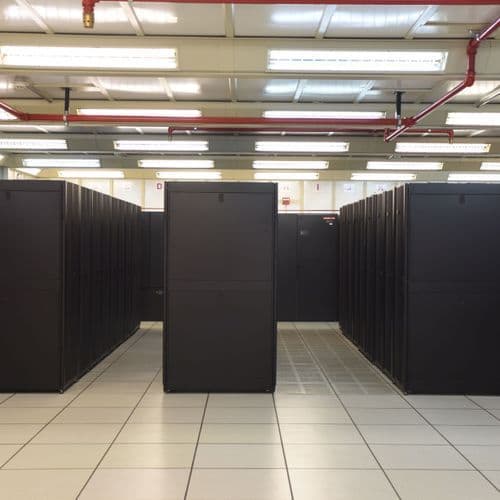
- Construction spending solely for data centers reached an annual rate of $85 billion in August, driving up inflation by increasing demand for computer chips, construction materials, and skilled labor.
- The construction industry faced a shortage of roughly 439,000 workers as of late 2025, with average hourly earnings of electrical contractors rising 7.1% in August from a year earlier.
- Electrical contractors with 12 trucks who once competed for kitchen remodels now face rigorous financial requirements, including greater bonding capacity and working-capital reserves, to win substation work.
- Economists estimate AI-related spending could exceed $10 trillion through 2032, potentially forcing The Federal Reserve to raise rates further and disproportionately pressuring rate-sensitive sectors such as housing and consumer credit.
15 Articles
15 Articles

Jefferies’ Chris Wood Sees ‘Massive Capital Destruction’ in AI
The most likely long-term outcome of the AI boom will be massive capital destruction in the US, with market share going to cheaper open-source Chinese models, according to Jefferies Financial Group Inc.


Fed Sees Data Center Boom as Behind Rising Prices
Minutes from the Fed's September meeting released Wednesday indicate officials now see the AI infrastructure boom, more than tariffs, as a key force keeping goods prices raised. Policymakers quoted a rush of browsing to fund data centers, chips, and related hardware...


High interest rates aren’t slowing the AI boom. That’s a problem for the Fed
There is little sign that higher borrowing costs are doing much to slow artificial intelligence development, which includes spending on chips, data centers and the electrical systems to power them.

How AI investment is complicating the Fed’s rate strategy
The Federal Reserve faces a growing challenge in trying to curb inflation because the massive artificial intelligence investment boom appears largely resistant to higher interest rates, The New York Times reports. Businesses are continuing to pour money into AI chips, data centers and the electrical infrastructure needed to power them despite elevated borrowing costs, with […]
Coverage Details
Bias Distribution
- 43% of the sources lean Left, 43% of the sources are Center


Factuality
To view factuality data please Upgrade to Premium