Flooding in the Himalayas: the Challenge of Monitoring Thousands of Glaciers
Rescue teams are searching for hundreds missing as the flood damaged 19 bridges, 40 kilometers of highway and more than 430 megawatts of power capacity.
- On Monday, a glacier collapse in Nepal's Langtang National Park triggered catastrophic flooding, killing 919 people and leaving nearly 4,800 missing across the Nepal-China border.
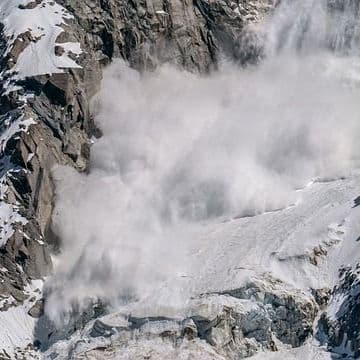
- The disaster evolved into a cascading hazard as an initial ice-rock avalanche gathered sediment and boulders, creating a high-velocity debris flow through the Trishuli and Bhotekoshi river systems.
- More than 90% of the US$647 million Upper Trishuli-1 hydropower project's cofferdam was destroyed, alongside 19 bridges and roughly 40 kilometers of highway damaged.
- Nearly 21,000 security personnel and volunteers from Nepal, India, and China have been mobilized to assist more than 90,000 people estimated to have been affected by flooding.
- The World Meteorological Organization called for faster data exchanges between neighbouring countries, as climate change is destabilizing Himalayan slopes and increasing ice-rock avalanche risks.
20 Articles
20 Articles

The tragedy in Nepal over the collapse of an ice mass in the Himalayas revived claims in Argentina against the Glaciare Protection Law reform.

Nepal tragedy highlights India’s challenge: mapping glacier risks is easier than deciding what to do
The recent glacier-related disaster in Nepal has highlighted a challenge India is also confronting in its high-altitude Himalayas: scientists can increasingly identify potentially dangerous glaciers and model the areas that could be affected, but translating those risk assessments into preventive action remains difficult, India’s pre-eminent glaciologist Anil Kulkarni told businessline


A glacier caused a deadly flood earlier this week. For hiking guides and local climbers, the mountains were already changing.

The rescue forces in Nepal and China have little success – but fight against meter-high mud and unfavorable weather. And despair is growing: thousands of people are still missing.
Coverage Details
Bias Distribution
- 45% of the sources lean Right


Factuality
To view factuality data please Upgrade to Premium