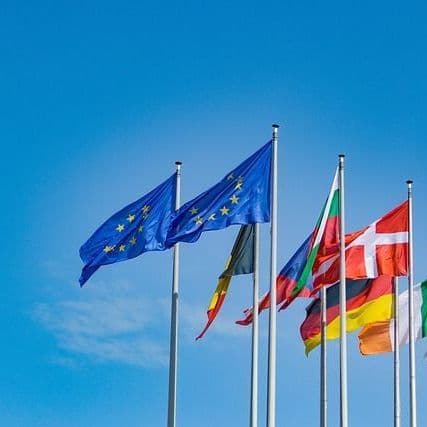
Germany Seeks Wider 'Made with Europe' Rules in Clash with France
15 Articles
15 Articles

France and Germany remain divided over controversial plans for so-called ‘Made in Europe’ rules. The plans are intended to reverse the decline of European industries by channeling more tax money to domestic production. However, the countries disagree on how countries outside the European Union should be involved in the plans.

Germany Challenges France on "Made with Europe" – Demands Opening up Public Contracts to EU Partners
Germany is demanding that the European Union's new "Made with Europe" rules not be limited to products manufactured within the EU, clashing with France's approach to favoring European companies. According to a German government document obtained by Euronews, Berlin wants countries outside the EU to be able to be included in the scheme if they offer European companies equal access to their markets and public contracts. The debate is related to th…


24 September 2026 18.28 READING: 2 minutes Germany and France support different approaches in the debate on the European Commission's initiative to bind future state aid and public procurement to production within Europe. The German Minister for Economic Affairs, Katherina Reiche, reiterated in Brussels her support for the inclusion of trading partners outside the European Union (EU). Meanwhile, the French Minister for Industry, Sébastien Martin…

Most European Union (EU) countries, including large economies such as Spain, Germany and Italy, are committed to ensuring that trusted partners, such as the United Kingdom, Switzerland, Japan and Canada, can benefit from the rule that foresees prioritizing European industry in granting public funds.

France and Germany remain at odds over controversial plans to introduce a "Made in Europe" rule that would provide public funding to support critical industries, as well as how non-EU countries should be included in these plans.
Coverage Details
Bias Distribution
- 34% of the sources lean Left, 33% of the sources are Center, 33% of the sources lean Right


Factuality
To view factuality data please Upgrade to Premium