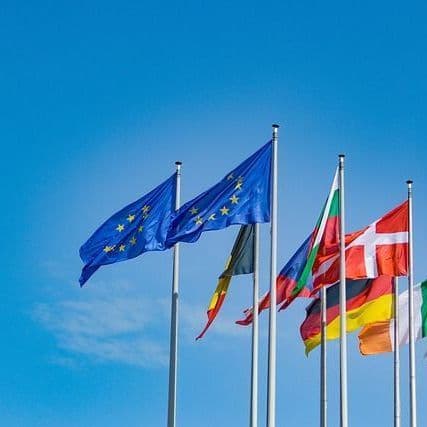
EU Vies to Expand Role in Ukraine-Russia Peace Talks
European leaders are weighing a representative or group to join peace talks as Washington and Moscow push technical trilateral negotiations.
- Reports suggest European leaders may hold direct talks with Vladimir Putin as relations between America and Ukraine deteriorate amid friction over American satellite support.
- Volodymyr Zelenskiy has accused America of throttling satellite services in Ukraine, suggesting Donald Trump favors autocrats, with current tensions echoing the darkest days of 2025.
- Despite demands from America to cease targeting Russian energy infrastructure, Ukraine recently executed major strikes on oil facilities near Petersburg, while remaining reliant on American satellite capabilities.
- Following the Trump-Putin summit in Alaska, potential peace options emerged: freezing conflict at the current line of control or ceding the Donbas to Russia in exchange for excluding Ukraine from Nato.
- Europe is now seeking independence from American satellite coverage like Starshield and Starlink; Two Finnish companies, Nokia and Iceye, announced a partnership this month to develop new networks, with first launches expected in 2028.
120 Articles
120 Articles

In November there could be trilateral talks between the US, Ukraine and Russia. Political observers doubt that Kremlin leader Vladimir Putin has a real interest in such an exchange.

The Prime Minister is now being mentioned as a possible European negotiator in the Ukraine war. And it's not just anyone who points to her.

The push to set up its own representatives comes after more than a year of US mediation efforts failed to produce a deal.


European leaders are looking for candidates to negotiate with Russian President Vladimir Putin to end the war in Ukraine, and diplomatic sources have told The Telegraph that potential candidates have already been offered a job.

The usefulness of the European Union Special Envoy's participation in the negotiations will depend on the position taken by the Europeans, Dmitry Pekov said.
Coverage Details
Bias Distribution
- 38% of the sources lean Left, 37% of the sources lean Right


Factuality
To view factuality data please Upgrade to Premium