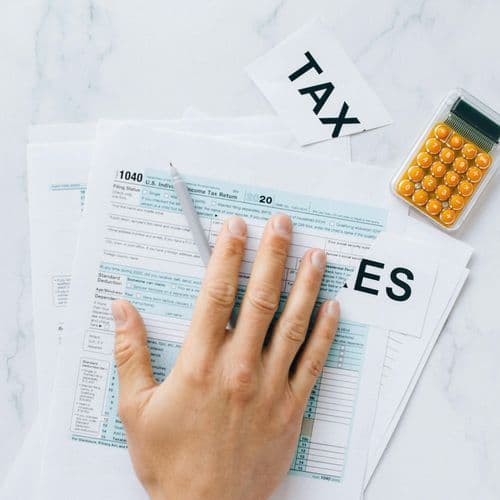
Bay Area voters to decide on $1B tax increase for transit
The tax would raise $980 million a year for 14 years to cover deficits at BART, Muni and other agencies as ridership remains below pre-pandemic levels.
- On November 3, voters in five Bay Area counties will decide on the Regional Transit Measure , a citizen-initiated ballot proposal imposing a 0.5% to 1% sales tax increase to fund BART, Caltrain, Muni and other transit agencies.
- Structural deficits plague transit systems following the post-pandemic ridership slump, leaving BART facing a $375 million deficit for 2027 as hybrid work patterns continue to impact fare revenue.
- Proponents warn failure could trigger drastic service cuts, while Contra Costa Taxpayers Association President Marc Joffe argues the $980 million annual tax is an "avoidable regressive tax" that ignores internal cost-cutting opportunities.
- Without funding, BART announced plans to reduce train service hours by 63% and lay off 600 employees starting January 2027, though Caltrain officials report 82% of voters view the rail service favorably.
- If passed, the Public Transit Revenue Measure District will administer funds, with oversight provided by the Metropolitan Transportation Commission, an entity established by Senate Bill 63 to ensure financial accountability.
54 Articles
54 Articles

Caltrain projects grim future without regional sales tax measure
Although Caltrain is looking down the barrel of fiscal disaster, agency representatives who spoke to the Palo Alto City Council on Monday highlighted their recent efforts to raise revenues and lauded the city as a regional model for public transit partnerships in the run-up to a critical vote.
 Danville San Ramon


Fate of Bay Area public transit hinges on regional transit measure
If passed, the Regional Transit Measure, or RTM, will impose a half-cent sales tax in Alameda, Contra Costa, San Mateo and Santa Clara counties as well as a one-cent sales tax in San Francisco starting April 2027.


Bay Area voters to decide on $1B tax increase for transit - The Daily Bo Snerdley
(The Center Square) – San Francisco Bay Area voters on Nov. 3 will decide on Measure RTM, a new sales tax aimed to keep BART and other public transit systems afloat after years of what’s described as inadequate post-pandemic financing. Proponents said the 0.5% to 1% sales tax increase is a small price to pay for Bay Area Rapid Transit, better known as BART, and other regional transit systems as they recover from the post-pandemic ridership slu…
 The Guam Daily Post


Bay Area voters to decide on $1B tax increase for transit
(The Center Square) - San Francisco Bay Area voters on Nov. 3 will decide on Measure RTM, a new sales tax aimed to keep BART and other public transit systems afloat after years of what's described as inadequate post-pandemic financing.

Time is Ticking for MUNI and Bart
San Frn, and several transit agencies in the Bay Area, are bracing for possible cuts and service reductions if two measures on the Nov. 3 ballot fail to pass. The proposed cuts would be devastating for transit agencies that have been struggling with ridership and financially due to the COVID-19 pandemic. Muni would cut service by 30% and cancel 20 bus routes, end regular evening service and even cut cable cars. Likewise for BART, they would clos…
Coverage Details
Bias Distribution
- 54% of the sources are Center


Factuality
To view factuality data please Upgrade to Premium