Published • loading... • Updated
At the Heart of Distant Worlds
Summary by DAILY SCIENCE
 This story is only covered by news sources that have yet to be evaluated by the independent media monitoring agencies we use to assess the quality and reliability of news outlets on our platform. Learn more here.
1 Articles
1 Articles

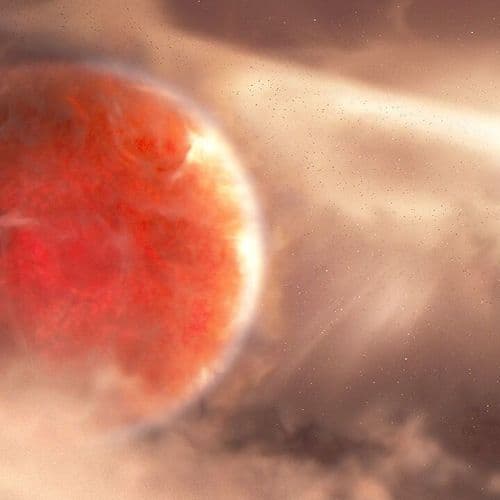
The exoplanets, those planets that gravitate around other stars than the Sun, show an amazing diversity. Among them, one category is of particular interest to astronomers: the "sub-Neptune". They dominate the known exoplanet population and do not have an analogy in the Solar System. About half of the exoplanets discovered to date have a radius of between two and four times that of the Earth. Four times the radius of the Earth corresponds to the …
Coverage Details
Total News Sources1
Leaning Left0Leaning Right0Center0Last UpdatedBias DistributionNo sources with tracked biases.
Bias Distribution
- There is no tracked Bias information for the sources covering this story.

Factuality
To view factuality data please Upgrade to Premium