What is pneumonic plague and how dangerous is it?
WHO said the public health risk appears low as Russian authorities quarantine nearly 200 contacts and investigate the worker’s death.
- Secretary of State Marco Rubio said Monday that U.S. officials are monitoring a suspected pneumonic plague case in Russia after a woman died Friday with an "undetermined" cause at the Irkutsk Anti-Plague Institute of Siberia and the Far East.
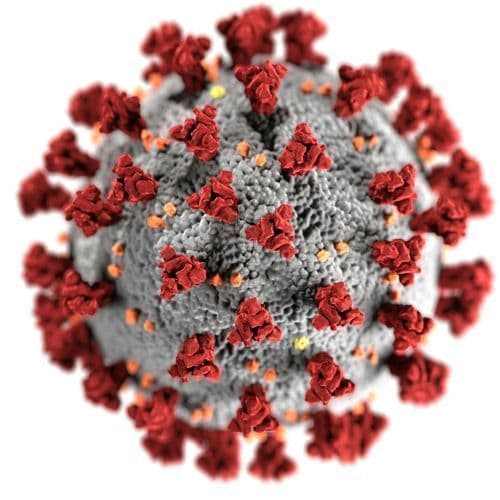
- Pneumonic plague, the deadliest form of the disease caused by Yersinia pestis, is rare but historically significant, having triggered global pandemics as the 14th-century "Black Death." Nearly 200 people who had contact with the woman remain under precautionary medical observation.
- Respiratory droplets typically travel only three to six feet, according to Dr. Dave Wagner of Northern Arizona University, and patients require treatment within 48 hours of showing symptoms to prevent fatal complications.
- Dr. Ashish Jha, the White House's former Covid response coordinator, expressed concern about potential biological weapons programs in the laboratory. "We need to understand that now," Jha added, urging investigation into the facility's activities.
- In the U.S. Southwest, including Arizona and Colorado, the plague persists in rural regions where the bacteria naturally circulate among wild rodents. The Centers for Disease Control and Prevention reports about seven cases annually.
305 Articles
305 Articles

Russia plague: How great is the global risk? Maybe low, but infectious disease experts want more data
Uncertainty surrounds the death of an employee at a Russian anti-plague institute. Here's what infectious disease experts say about how worried you should be.

 La Opinion
 ALnavío
WHO asked the Russian authorities for more information on the death from a possible case of pneumonic plague of a Siberian laboratory worker


Russia plague fears remain low after laboratory worker’s death
Concerns over a possible case of pneumonic plague in Russia have prompted quarantine measures and international monitoring, but health authorities say there is currently no evidence of a wider outbreak. The situation centres on Irkutsk in Siberia, where 28-year-old laboratory technician Darya Shipilova died last week after becoming ill. She worked at the Irkutsk Anti-Plague Research Institute of Siberia and... Read more →

The World Health Organization (WHO) said on Tuesday that it assessed the public health risk across Russia as low, following reports of a laboratory worker dying from the plague.
Coverage Details
Bias Distribution
- 46% of the sources are Center


Factuality
To view factuality data please Upgrade to Premium