US Proposes Tariffs of Up to 25% on Indian Goods
India
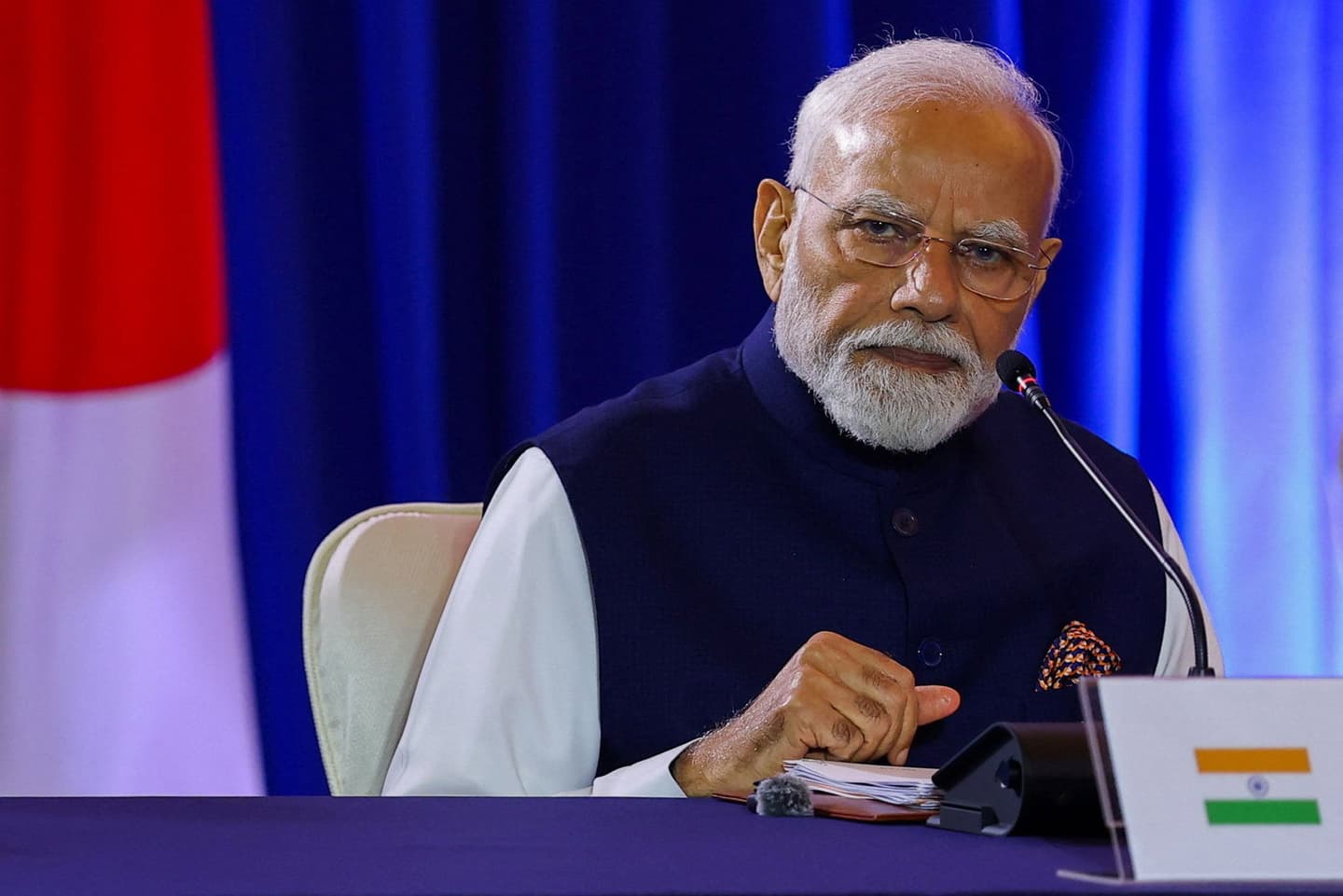
Carlos Barria/Reuters
Source Analysis




What Happened
Key Implications
What Happened
Key Implications
Where Sources Disagree
- Tariff Competitive Advantage: Some analysts argue the proposed 17% tariff rate provides Indian exporters a competitive edge over regional rivals facing higher duties. Conversely, other trade experts and industry bodies contend this rate offers little significant advantage, suggesting the margin is too narrow to provide meaningful relief or that competitors may secure more favorable terms.
- Tariff Threat Scope: Some reports note that a potential 100% tariff threat under the Sanctioning Russia and Iran Act remains pending for India. Conversely, broader coverage focuses exclusively on the proposed 25% tariff structure linked to the U.S. excess capacity investigation, omitting mention of the separate Russia/Iran Act provision.
Timeline
November 26, 2026
India and industry push back: India's commerce ministry said it was examining the USTR notice and has maintained it has no structural excess capacity, while industry bodies and FIEO chief Ajay Sahai urged use of the negotiation window and warned exporters could face roughly an 8% additional burden if a 25% tariff is imposed.
November 25, 2026
USTR proposes up to 25% tariffs: On November 25, 2026 the USTR proposed additional duties of up to 25% on Indian goods (with exemptions), while offering a reduced 17% tariff if India signs a reciprocal trade agreement addressing the USTR's findings; the move followed completion of the Section 301 review.
March 11, 2026
USTR opens Section 301 probes: The Office of the U.S. Trade Representative launched Section 301 investigations on March 11, 2026 into 16 economies (including India) over alleged 'structural excess capacity', beginning an eight-month review that ran through later determinations.
Summary by Ground AI
Sources
See All 104A varied selection of sources chosen by Ground to reflect the diversity of this story’s coverage.
Most Written About
The stories getting the most coverage from the last 24 hours





Source Analysis
Timeline
November 26, 2026
India and industry push back: India's commerce ministry said it was examining the USTR notice and has maintained it has no structural excess capacity, while industry bodies and FIEO chief Ajay Sahai urged use of the negotiation window and warned exporters could face roughly an 8% additional burden if a 25% tariff is imposed.
November 25, 2026
USTR proposes up to 25% tariffs: On November 25, 2026 the USTR proposed additional duties of up to 25% on Indian goods (with exemptions), while offering a reduced 17% tariff if India signs a reciprocal trade agreement addressing the USTR's findings; the move followed completion of the Section 301 review.
March 11, 2026
USTR opens Section 301 probes: The Office of the U.S. Trade Representative launched Section 301 investigations on March 11, 2026 into 16 economies (including India) over alleged 'structural excess capacity', beginning an eight-month review that ran through later determinations.


