Justice Department Seeks to Dismiss California Ballot Suit as Hearing Nears
California, US
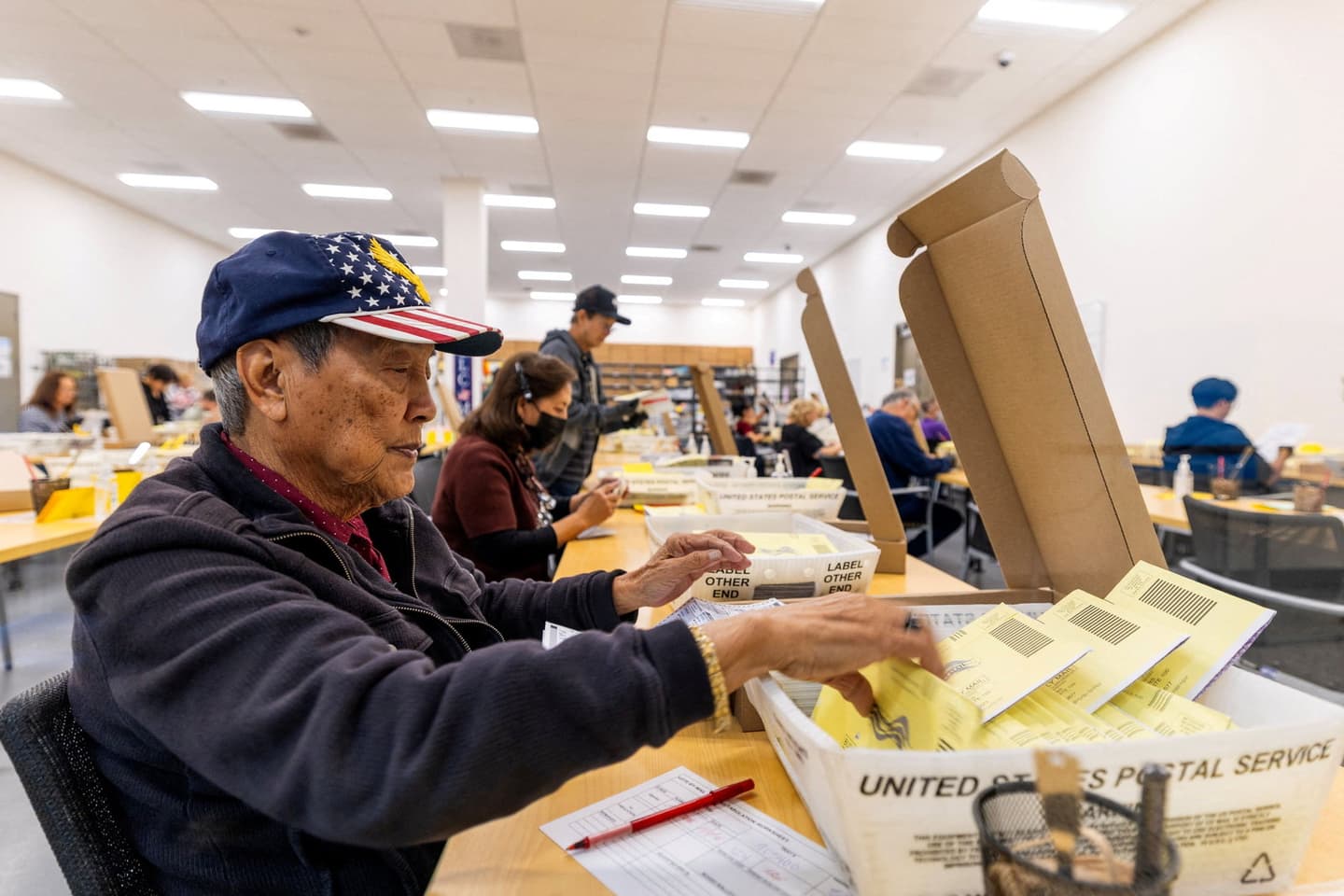
Mike Blake/Reuters
Source Analysis




What Happened
What Happened
Where Sources Disagree
- arrows_outputNoncitizen Voter List Reliability: The federal government maintains that its list of 20,000 potential noncitizens is necessary to safeguard election integrity. In contrast, California officials and the presiding federal judge characterize the list as flawed and outdated, arguing that segregating these ballots would disenfranchise legitimate voters and create election chaos.
- arrows_outputDismissal of California Ballot Lawsuit: The Justice Department cites the impossibility of sequestering ballots post-election as the reason for voluntarily dismissing its California lawsuit. Conversely, critics frame the withdrawal as a tactical admission of defeat, noting the administration's repeated legal failures in lower and high courts leading up to the decision.
- arrows_outputLawsuit Intent and Context: Some sources describe the Justice Department’s lawsuit as a targeted effort to safeguard election integrity and prevent illegal voting by noncitizens. Conversely, other outlets characterize the case as part of a broader, politically motivated pattern of federal interference in state-run elections without evidence of widespread illegality.
Timeline
November 7, 2026
Dismissal closes legal battle: The DOJ argued that by the scheduled Nov. 13 hearing California would have irreparably commingled challenged ballots with lawful ones and cited large-scale ballot processing (about 9 million processed with nearly 5 million left to count) as making segregation impossible; the dismissal was described as closing a legal fight and a significant defeat for the Trump administration.
November 6, 2026
DOJ moves to dismiss case: On Friday, November 6, 2026, the Justice Department filed a notice of voluntary dismissal of its lawsuit, saying the relief it sought was no longer available after votes were tallied and appeals were exhausted. The filing came days after the Supreme Court's denial and four days after that order.
November 2, 2026
Supreme Court denies emergency bid: On the eve of Election Day, the U.S. Supreme Court summarily rejected the Justice Department's emergency request to require California to segregate the approximately 20,000 disputed mail ballots, leaving lower-court rulings intact. The denial came as ballots were being processed statewide.
Perspectives and Debates
Why did the Justice Department drop its lawsuit over the California ballots?
Summary by Ground AI
Sources
See All 156A varied selection of sources chosen by Ground to reflect the diversity of this story’s coverage.
Most Written About
The stories getting the most coverage from the last 24 hours





Source Analysis
Timeline
November 7, 2026
Dismissal closes legal battle: The DOJ argued that by the scheduled Nov. 13 hearing California would have irreparably commingled challenged ballots with lawful ones and cited large-scale ballot processing (about 9 million processed with nearly 5 million left to count) as making segregation impossible; the dismissal was described as closing a legal fight and a significant defeat for the Trump administration.
November 6, 2026
DOJ moves to dismiss case: On Friday, November 6, 2026, the Justice Department filed a notice of voluntary dismissal of its lawsuit, saying the relief it sought was no longer available after votes were tallied and appeals were exhausted. The filing came days after the Supreme Court's denial and four days after that order.
November 2, 2026
Supreme Court denies emergency bid: On the eve of Election Day, the U.S. Supreme Court summarily rejected the Justice Department's emergency request to require California to segregate the approximately 20,000 disputed mail ballots, leaving lower-court rulings intact. The denial came as ballots were being processed statewide.


