US Treasury Sanctions Over Two Dozen Iranian Exchange Houses, Front Companies
United States
Maxim Shemetov / POOL / AFP via Getty Images/Getty
Source Analysis




What Happened
What Happened
Where Right Sources Focus
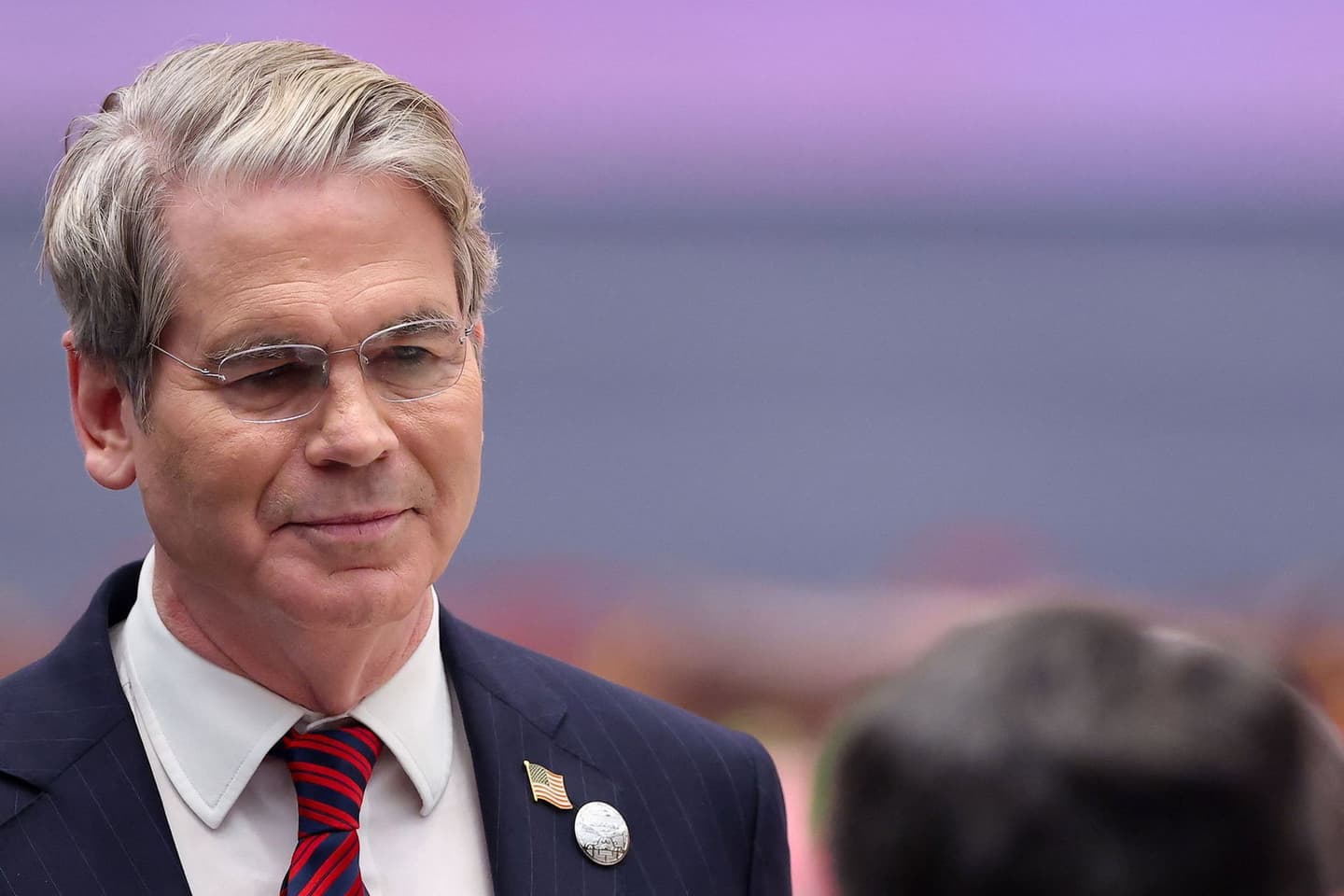
- Regime Collapse Rhetoric: Conservative outlets emphasize aggressive rhetoric from Treasury Secretary Scott Bessent, who describes Iran's shadow banking as the 'last financial lifeline' of a 'bankrupt regime.' These reports highlight official promises to dismantle these networks until the 'head of the snake' is buried, framing the sanctions as a decisive strike against a desperate regime.
- Military and Sanctions Context: Right-leaning media frame these sanctions as part of a broader campaign of military and economic pressure, citing ongoing naval blockades in the Strait of Hormuz. Coverage emphasizes the Trump administration's 'Operation Economic Outcast' and views the sanctions as essential to preventing Iran from developing nuclear weapons while countering regional aggression.
Where Center Sources Focus
- FinCEN Financial Activity Analysis: Center sources prioritize statistical findings from the FinCEN report, detailing the identification of nearly $15 billion in financial activity potentially linked to Iranian shadow banking. Coverage emphasizes the geographic scope of these networks, noting their prominent presence across Hong Kong, Singapore, and the United Arab Emirates.
- Operational Sanction Mechanics: Reports from center outlets detail the specific administrative mechanisms used in the sanctions, explaining how they target exchange houses and front companies to block property and financial interests. Coverage outlines the use of executive orders and counterterrorism authorities to disrupt the international financial pathways Iranian entities utilize.
What's Largely Absent from Each Side
- Right sources rarely mention: Right-leaning sources rarely mention FinCEN analysis indicating a decrease in shadow banking volume, which center outlets cite as evidence of potential disruption efficacy. Instead, right-leaning coverage focuses exclusively on aggregate figures and aggressive rhetoric regarding the regime's total financial collapse.
- Center sources rarely mention: Center sources rarely mention the highly charged, personalized rhetoric used by the Treasury Secretary, such as promises to 'bury the head of the snake.' Right-leaning outlets feature these comments prominently to frame the sanctions as a maximum pressure campaign against a panicking regime.
Rare Agreement
- Core Sanctions Details: Despite divergent framing, sources across the spectrum agree that the Treasury sanctioned over two dozen Iranian exchange houses and front companies located in the UAE, Turkey, and Hong Kong. All reports confirm the action was taken under the 'Operation Economic Outcast' initiative to address shadow banking activity.
Timeline
November 23, 2026
Named Targets, Allegations, Effects: Designated entities include the Iran Center for Exchange of Currency and Gold and Dubai-based firms (Recaz Star among them, linked to over $170 million in payments); Treasury alleged links to laundering of oil and petrochemical proceeds and ties to Iran’s Armed Forces and state firms, while freezing U.S.-linked property and warning of secondary sanctions. Officials said the actions aim to cut funding used for weapons procurement and proxy support as Iran’s economy falters.
November 23, 2026
Sanctions Target Over Two Dozen: On Monday the Treasury imposed sanctions on more than two dozen Iranian exchange houses, front companies and individuals — including firms in the UAE, Turkey and Hong Kong — blocking U.S. property and prohibiting transactions with U.S. persons and majority-owned businesses. The measures were announced as part of the Operation Economic Outcast campaign.
November 23, 2026
FinCEN Identifies ~$14.7B Activity: The Treasury’s FinCEN released an analysis (covering January 2025 to August 2026) identifying approximately $14.7 billion of potentially Iran-linked financial activity spanning the UAE, Hong Kong, Singapore and other jurisdictions, with notable flows from China-, Singapore- and UK-based banks. The report was published as part of the Treasury’s broader effort to map shadow-banking networks.
Summary by Ground AI
Sources
See All 111A varied selection of sources chosen by Ground to reflect the diversity of this story’s coverage.
Most Written About
The stories getting the most coverage from the last 24 hours






Source Analysis
Timeline
November 23, 2026
Named Targets, Allegations, Effects: Designated entities include the Iran Center for Exchange of Currency and Gold and Dubai-based firms (Recaz Star among them, linked to over $170 million in payments); Treasury alleged links to laundering of oil and petrochemical proceeds and ties to Iran’s Armed Forces and state firms, while freezing U.S.-linked property and warning of secondary sanctions. Officials said the actions aim to cut funding used for weapons procurement and proxy support as Iran’s economy falters.
November 23, 2026
Sanctions Target Over Two Dozen: On Monday the Treasury imposed sanctions on more than two dozen Iranian exchange houses, front companies and individuals — including firms in the UAE, Turkey and Hong Kong — blocking U.S. property and prohibiting transactions with U.S. persons and majority-owned businesses. The measures were announced as part of the Operation Economic Outcast campaign.
November 23, 2026
FinCEN Identifies ~$14.7B Activity: The Treasury’s FinCEN released an analysis (covering January 2025 to August 2026) identifying approximately $14.7 billion of potentially Iran-linked financial activity spanning the UAE, Hong Kong, Singapore and other jurisdictions, with notable flows from China-, Singapore- and UK-based banks. The report was published as part of the Treasury’s broader effort to map shadow-banking networks.


