U.S. Sanctions 17 Tankers in Iran Shadow Fleet Crackdown
United States
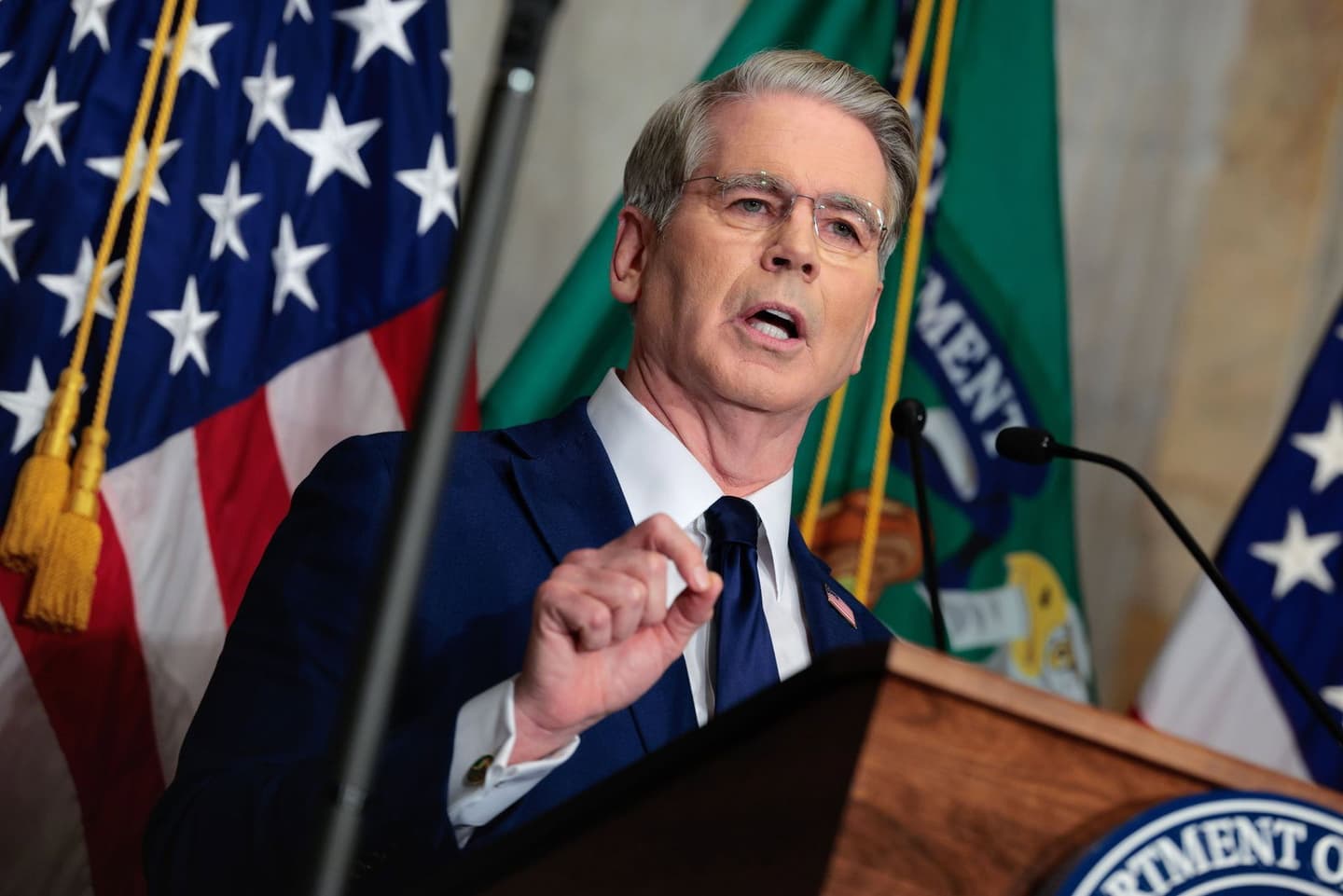
Chip Somodevilla/Getty Images/Getty
Source Analysis




What Happened
What Happened
Where Right Sources Focus
- Naval Blockade Efficacy: Right media detail the operational success of the U.S. naval blockade, noting that CENTCOM forces have redirected 130 ships to ensure compliance. They highlight Treasury claims that this enforcement has effectively neutralized Iran's shadow fleet, resulting in zero oil exports currently being shipped from the country.
- Political and Diplomatic Strategy: Conservative outlets emphasize the administration's current diplomatic stance, reporting that President Trump has ruled out further military attacks on Iran before the November 3 midterm elections. They cite administration officials noting "productive discussions" between Washington and Tehran as a key factor in this decision.
Where Left Sources Focus
- Domestic Economic Consequences: Limited left coverage emphasizes the domestic economic fallout of the conflict, specifically linking the war and sanctions to rising consumer gasoline prices. They cite AAA data showing national averages reaching $4.36 per gallon, framing these costs as a significant issue ahead of the midterm elections.
- Technical Sanctions Analysis: Several progressive sources provide detailed technical breakdowns of the new sanctions, identifying specific vessels, flags, and cargo volumes involved. They analyze Treasury data regarding the targeted "shadow fleet," which allegedly transported millions of barrels of crude oil and petrochemicals to foreign markets.
What's Largely Absent from Each Side
- Left sources rarely mention: Left sources rarely mention specific operational metrics of the naval blockade, such as the 130 ships redirected by CENTCOM. Right outlets feature these details prominently, framing them as evidence of the strategy's success in enforcing compliance and cutting off illicit revenue.
- Right sources rarely mention: Right coverage largely omits the direct domestic economic impact of the conflict, specifically rising gasoline prices. Left outlets emphasize this connection, citing AAA data and economic analysis to highlight the broader consumer costs of the ongoing sanctions and naval blockade.
Rare Agreement
- Operation Economic Outcast: Despite divergent coverage patterns, sources across outlets confirm the administration's new sanctions against 17 tankers and 18 corporate entities. They agree these designations are part of "Operation Economic Outcast," a campaign aimed at dismantling Iran's remaining illicit petroleum transport infrastructure.
Timeline
October 8, 2026
Treasury sanctions 17 vessels, firms: On October 8, 2026, the U.S. Treasury designated 17 commercial tankers and affiliated companies (and 18 associated firms in some reports) tied to Iran's petroleum and petrochemical sectors, freezing U.S.-jurisdiction assets, barring transactions, and warning foreign banks of possible secondary sanctions; officials said the targeted ships had moved millions of barrels (including the Shenzhen at over 3.5 million barrels since November 2025). Treasury said the action effectively neutralizes the vast majority of Iran's remaining "shadow fleet" as part of Operation Economic Outcast.
August 25, 2026
Iran stops loading crude exports: Kpler data indicated Tehran had not loaded any crude for export since August 25, 2026, and reporting around September 12, 2026 described Treasury moves to sanction additional vessels connected to Iran's "shadow fleet." U.S. military and command reports also described active measures redirecting ships to enforce the blockade.
August 24, 2026
Launch of Operation Economic Outcast: On August 24, 2026, the U.S. Treasury announced "Operation Economic Outcast," a pressure campaign under Executive Order 13902 intended to isolate Tehran's energy revenues and target its illicit petroleum transport networks. Treasury framed the initiative as a coordinated effort to expand sanctions on individuals, entities and shipping ties that enable Iran's oil trade.
Summary by Ground AI
Sources
See All 75A varied selection of sources chosen by Ground to reflect the diversity of this story’s coverage.
Most Written About
The stories getting the most coverage from the last 24 hours





Source Analysis
Timeline
October 8, 2026
Treasury sanctions 17 vessels, firms: On October 8, 2026, the U.S. Treasury designated 17 commercial tankers and affiliated companies (and 18 associated firms in some reports) tied to Iran's petroleum and petrochemical sectors, freezing U.S.-jurisdiction assets, barring transactions, and warning foreign banks of possible secondary sanctions; officials said the targeted ships had moved millions of barrels (including the Shenzhen at over 3.5 million barrels since November 2025). Treasury said the action effectively neutralizes the vast majority of Iran's remaining "shadow fleet" as part of Operation Economic Outcast.
August 25, 2026
Iran stops loading crude exports: Kpler data indicated Tehran had not loaded any crude for export since August 25, 2026, and reporting around September 12, 2026 described Treasury moves to sanction additional vessels connected to Iran's "shadow fleet." U.S. military and command reports also described active measures redirecting ships to enforce the blockade.
August 24, 2026
Launch of Operation Economic Outcast: On August 24, 2026, the U.S. Treasury announced "Operation Economic Outcast," a pressure campaign under Executive Order 13902 intended to isolate Tehran's energy revenues and target its illicit petroleum transport networks. Treasury framed the initiative as a coordinated effort to expand sanctions on individuals, entities and shipping ties that enable Iran's oil trade.


