UN Report Says Foreign Networks Sustain Sudan War and Drone Strikes
Sudan
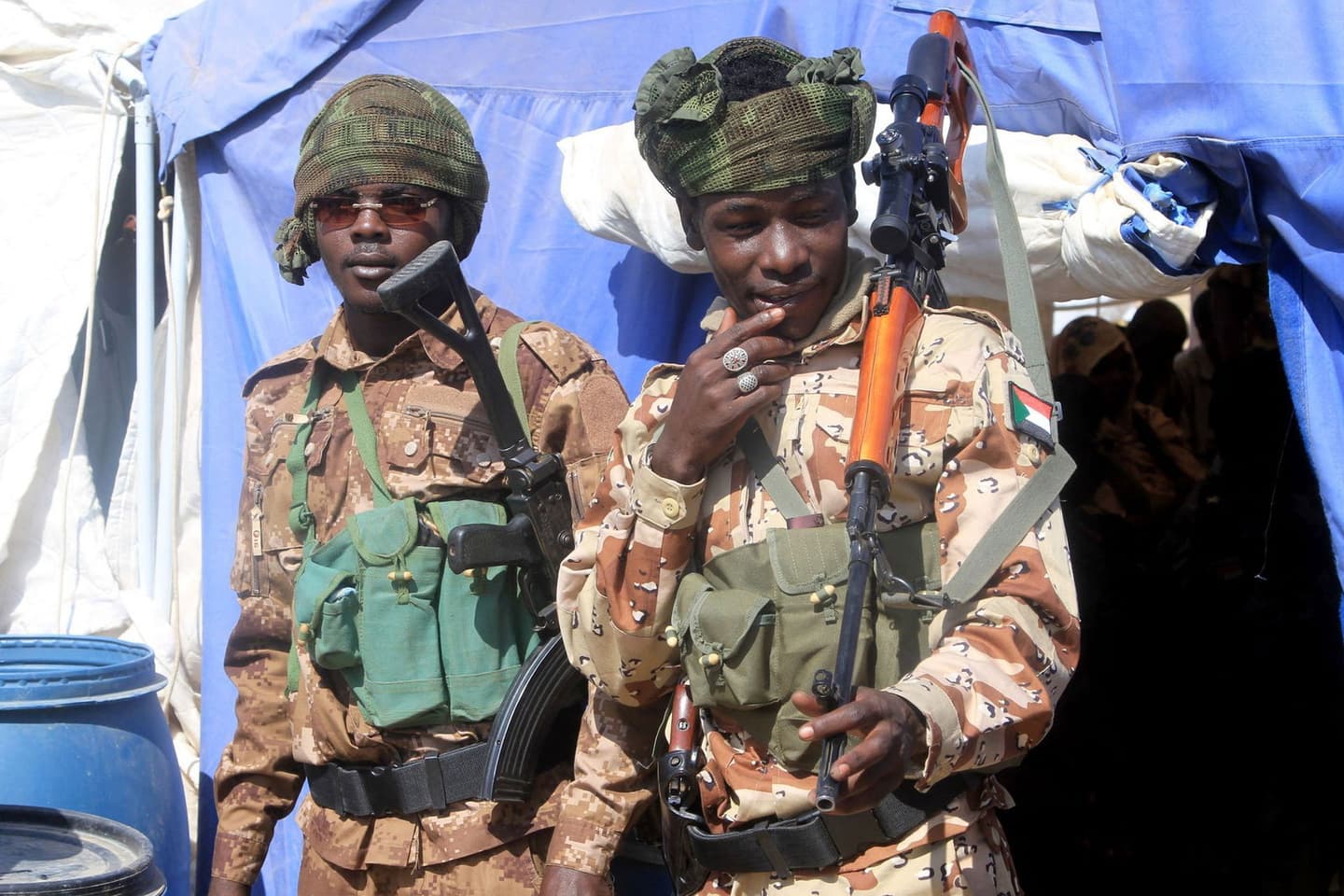
Ebrahim Hamid / AFP via Getty Images/Getty




What Happened
Key Implications
What Happened
Key Implications
Where Sources Agree
- arrows_inputTransnational RSF Support Networks: Most outlets report that a transnational network involving entities in the UAE, Chad, Libya, and Somalia has supplied the Rapid Support Forces (RSF) with weapons, logistical support, and foreign personnel, according to the UN Independent International Fact-Finding Mission.
- arrows_inputDeployment of Colombian Contractors: Reporting largely establishes that up to 2,000 former Colombian military contractors were deployed to support the Rapid Support Forces, where they directly operated combat drones and advanced weapons, according to a United Nations fact-finding mission.
- arrows_inputCivilian Toll of Drone Warfare: Predominant reporting shows that drone strikes have killed more than 1,000 civilians since the start of 2026, including 70 individuals at an Ad-Da'ein hospital, with UN investigators warning that such targeting of civilian areas may constitute war crimes, according to the UN Independent International Fact-Finding Mission.
Where Sources Disagree
- arrows_outputSudan Conflict Death Toll: Some reports cite a specific death toll of at least 59,000 people since the Sudan conflict began. In contrast, other outlets describe the casualties more broadly, reporting that tens of thousands have been killed in the war.
- arrows_outputRole of Colombian Contractors: Most reports describe Colombian contractors as directly operating advanced weaponry, such as combat drones and artillery, on behalf of the Rapid Support Forces. Conversely, other accounts cite investigations suggesting these contractors were recruited specifically to train children to fight for the paramilitary group.
Timeline
September 3, 2026
UN report exposes foreign networks: On September 3, 2026 the U.N. fact-finding mission published a report finding transnational networks — involving entities in the UAE, Chad, Libya, Somalia and others — supplied the RSF with weapons, personnel and logistics, expanded both sides' drone capabilities, caused widespread civilian harm, and urged extension of the arms embargo and enforcement actions.
May 1, 2026
Drone campaign and contractors escalate: Between January and May 2026 more than 1,000 civilians were killed in drone strikes, and investigators documented the deployment of up to about 2,000 former Colombian contractors operating combat drones, artillery and advanced weapons alongside RSF units.
October 1, 2025
Al-Fashir captured; massacres reported: The RSF captured al-Fashir in October 2025 and investigators reported mass killings with hallmarks pointing to genocide, linking foreign-trained fighters to massacres in Zamzam camp and El-Fasher in 2025.
Perspectives and Debates
What does foreign involvement in Sudan's war mean for the conflict's trajectory?
Summaries by Ground AI
Sources
See All 69Most Written About
The stories getting the most coverage from the last 24 hours





Timeline
September 3, 2026
UN report exposes foreign networks: On September 3, 2026 the U.N. fact-finding mission published a report finding transnational networks — involving entities in the UAE, Chad, Libya, Somalia and others — supplied the RSF with weapons, personnel and logistics, expanded both sides' drone capabilities, caused widespread civilian harm, and urged extension of the arms embargo and enforcement actions.
May 1, 2026
Drone campaign and contractors escalate: Between January and May 2026 more than 1,000 civilians were killed in drone strikes, and investigators documented the deployment of up to about 2,000 former Colombian contractors operating combat drones, artillery and advanced weapons alongside RSF units.
October 1, 2025
Al-Fashir captured; massacres reported: The RSF captured al-Fashir in October 2025 and investigators reported mass killings with hallmarks pointing to genocide, linking foreign-trained fighters to massacres in Zamzam camp and El-Fasher in 2025.


