UN Backs Equal Earth Map to Reflect Africa's True Size
New York, US
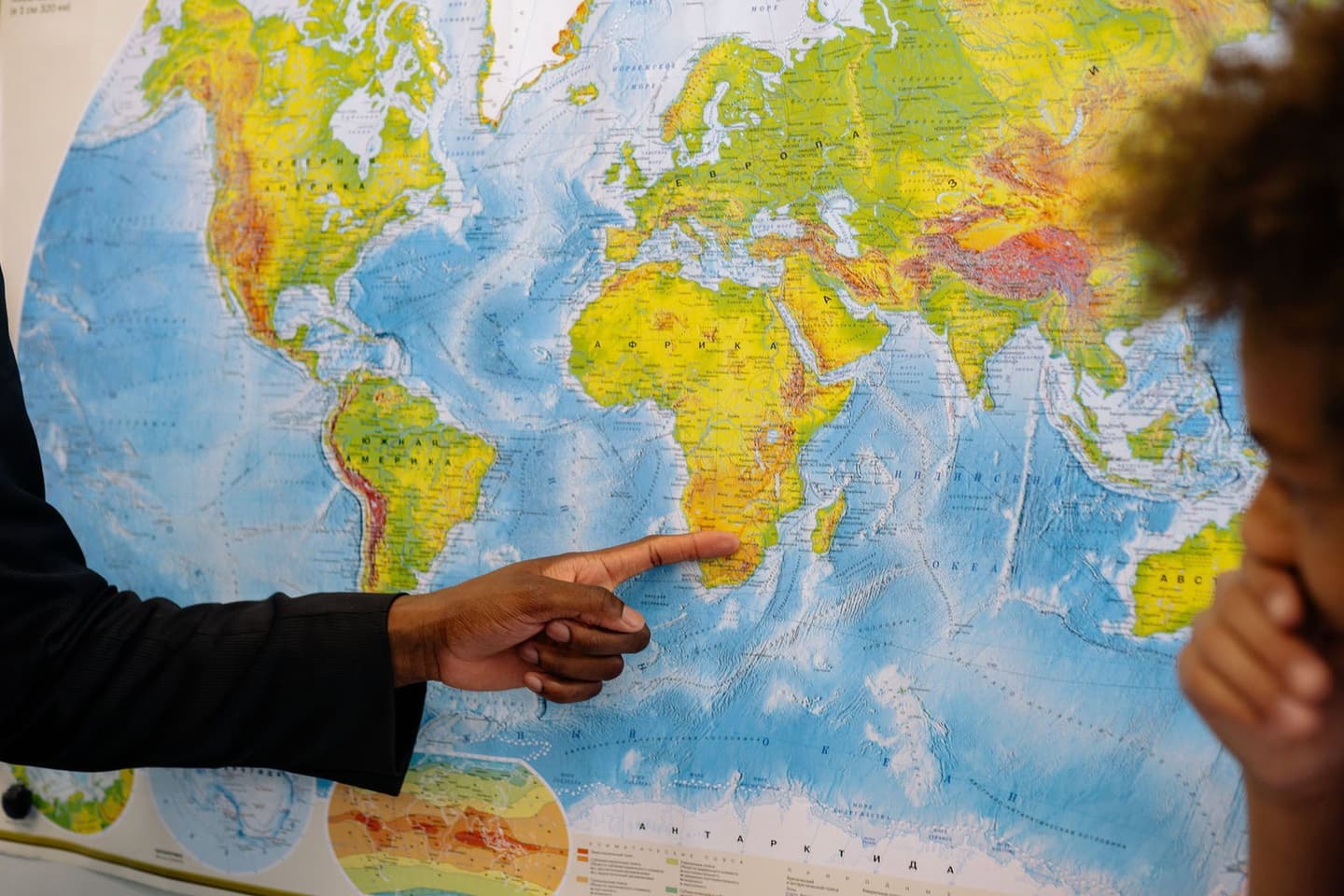
Yan Krukau/Pexels



What Happened
What Happened
Where Sources Disagree
- US Position Explanation: While some reports detail U.S. criticism of the resolution as a 'radical ideological project,' others state that no explanation for the U.S. vote was publicly released at the time of publication.
- UN Map Resolution Authority: While some media outlets report that the UN vote formally replaces the Mercator projection, the resolution is non-binding and merely encourages voluntary adoption of the Equal Earth map by governments and institutions.
- Resolution Intent Disputed: The United States opposed the resolution, characterizing it as a "radical ideological project" that distracts from pressing global issues, while proponents led by the African Union frame the measure as an act of "cognitive justice" and scientific rigor intended to correct long-standing cartographic distortions of Africa's scale.
Timeline
September 4, 2026
UN General Assembly adopts resolution: On September 4, 2026 the UN General Assembly adopted the African‑sponsored non‑binding resolution by a vote of 164 in favour, 1 against (the United States) and 6 abstentions, encouraging wider use of Equal Earth and other equal‑area maps while not banning the Mercator projection. African diplomats and campaigners celebrated the vote as a step toward correcting distorted global representations.
April, 2026
Togo tables UN resolution: Togo, backed by the African Union, prepared and brought a draft UN General Assembly resolution urging governments, schools and international organisations to adopt equal‑area projections such as Equal Earth; Togo hosted member‑state representatives and urged delegations to build support in the run‑up to the vote.
August 2025
AU endorses CorrectTheMap campaign: The #CorrectTheMap campaign gathered around 11,000 petition signatures and was formally endorsed by the African Union in August 2025, which asked Togo to lead efforts to promote the Equal Earth projection at the United Nations. Supporters framed the shift as correcting longstanding cartographic distortions that shrink equatorial regions.
Perspectives and Debates
Does the UN map vote mark a real shift from Mercator or a symbolic nudge?
Summary by Ground AI
Sources
See All 815A varied selection of sources chosen by Ground to reflect the diversity of this story’s coverage.
Most Written About
The stories getting the most coverage from the last 24 hours


Timeline
September 4, 2026
UN General Assembly adopts resolution: On September 4, 2026 the UN General Assembly adopted the African‑sponsored non‑binding resolution by a vote of 164 in favour, 1 against (the United States) and 6 abstentions, encouraging wider use of Equal Earth and other equal‑area maps while not banning the Mercator projection. African diplomats and campaigners celebrated the vote as a step toward correcting distorted global representations.
April, 2026
Togo tables UN resolution: Togo, backed by the African Union, prepared and brought a draft UN General Assembly resolution urging governments, schools and international organisations to adopt equal‑area projections such as Equal Earth; Togo hosted member‑state representatives and urged delegations to build support in the run‑up to the vote.
August 2025
AU endorses CorrectTheMap campaign: The #CorrectTheMap campaign gathered around 11,000 petition signatures and was formally endorsed by the African Union in August 2025, which asked Togo to lead efforts to promote the Equal Earth projection at the United Nations. Supporters framed the shift as correcting longstanding cartographic distortions that shrink equatorial regions.


