Trump Signs Order Making Contractors Report Congressional Requests to White House
United States
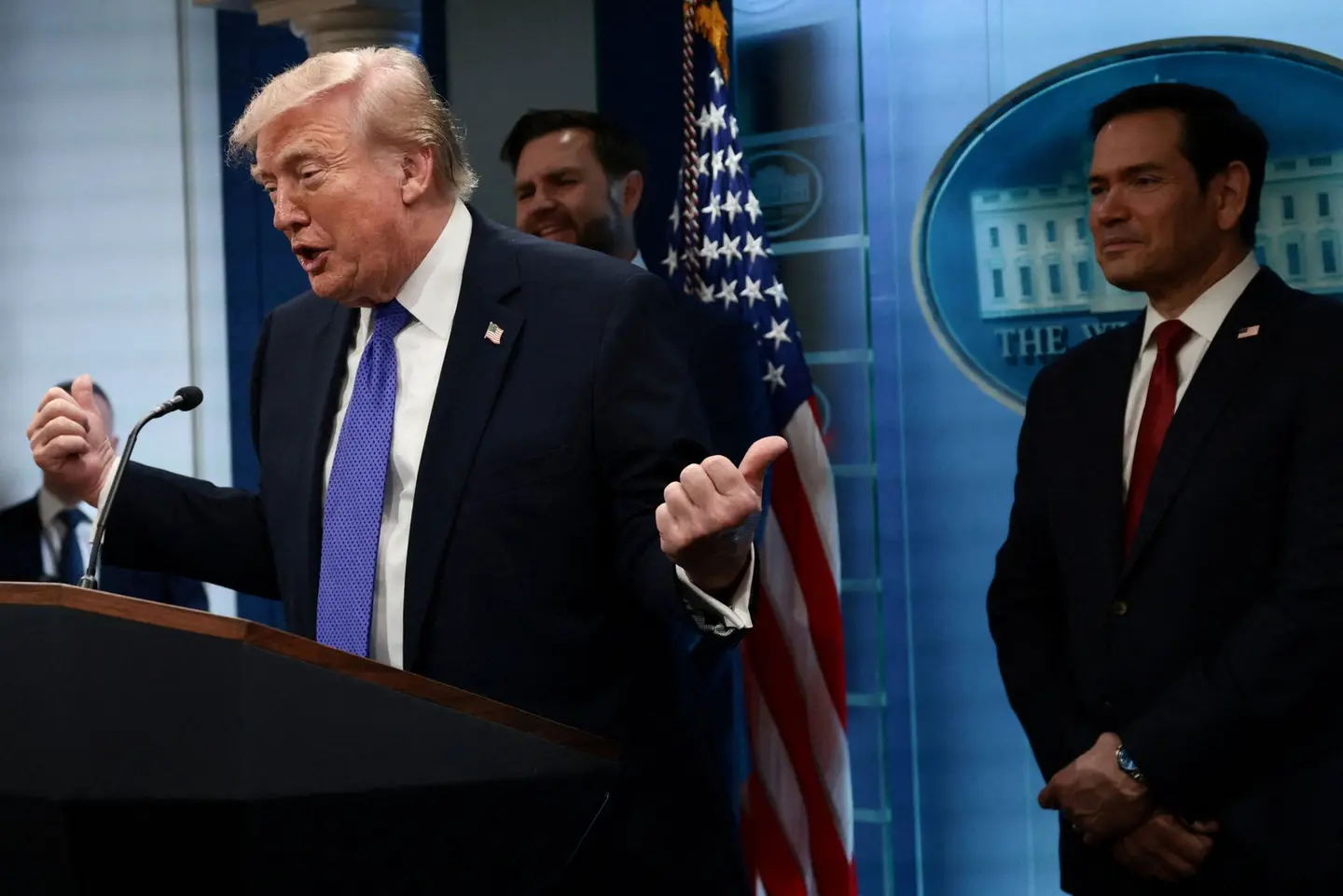
Evelyn Hockstein/Reuters
Source Analysis




What Happened
Key Implications
What Happened
Key Implications
Where Left Sources Focus
- Obstruction of Oversight: Left-leaning sources characterize the executive order as a deliberate mechanism to obstruct oversight, arguing it shields the administration from accountability. They cite Democratic strategists and lawmakers who contend that requiring coordination effectively limits investigations into potential corruption and executive branch activities.
- Conflict of Interest Concerns: Progressive coverage highlights concerns regarding the intersection of federal contracts and Trump family business interests. These sources feature Democratic lawmakers pledging to investigate alleged corruption, citing evidence of federal funds flowing to companies linked to the President's family.
Where Right Sources Focus
- Protecting Executive Privilege: Conservative and center-leaning outlets frame the directive as a necessary defense of executive privilege against congressional overreach. They cite White House fact sheets and officials who argue the order prevents the harassment of private companies and protects confidential deliberations from unauthorized exposure.
- Operational Efficiency Rationale: Right-leaning media emphasize the administration's rationale that coordination prevents wasteful legal disputes and ensures government efficiency. These sources cite White House documents arguing that uncoordinated responses to congressional requests force unnecessary litigation and threaten national security work.
What's Largely Absent from Each Side
- Right sources rarely mention: Right-leaning sources rarely mention Democratic allegations regarding specific conflicts of interest or federal payments to Trump-linked businesses. In contrast, left-leaning outlets feature these concerns prominently, framing them as the primary target of upcoming congressional oversight investigations.
- Left sources rarely mention: Left-leaning sources rarely mention the administration's procedural arguments that coordination prevents duplicative litigation and wasteful legal efforts. Right-leaning outlets feature these justifications extensively, citing White House fact sheets that emphasize the need to protect confidential information and government efficiency.
Rare Agreement
- Legislative Oversight Timeline: Despite divergent coverage patterns, sources across the political spectrum agree that Democrats will assume control of both congressional chambers in January. They consistently report on planned investigations into the Trump administration and the recent issuance of document preservation letters.
Timeline
November 20, 2026
Democrats prepare oversight push: Reporting noted that Democrats, having won midterm gains, expect to take control of both chambers in January and have begun preparations — including Rep. Robert Garcia’s preservation letters to a dozen Trump allies — to investigate the administration and its business ties. Incoming Democratic committee leaders have vowed aggressive oversight once they assume control.
November 20, 2026
Administration frames privilege protection: The White House defended the order as necessary to protect confidential government communications and national security, arguing it preserves executive privilege and efficiency in contracting. Critics and legal experts warned the move could shield the administration from oversight, invite legal challenges, and set up court battles over the scope of executive privilege.
November 20, 2026
Order covers subcontractors, penalties: The executive order explicitly extends requirements to subcontractors and warns that companies failing to comply could face contract termination, suspension, debarment or cancellation of future federal business. The White House said enforcement could include potential termination or cancellation of contracts and restrictions on future government work.
Summary by Ground AI
Sources
See All 216A varied selection of sources chosen by Ground to reflect the diversity of this story’s coverage.
Most Written About
The stories getting the most coverage from the last 24 hours






Source Analysis
Timeline
November 20, 2026
Democrats prepare oversight push: Reporting noted that Democrats, having won midterm gains, expect to take control of both chambers in January and have begun preparations — including Rep. Robert Garcia’s preservation letters to a dozen Trump allies — to investigate the administration and its business ties. Incoming Democratic committee leaders have vowed aggressive oversight once they assume control.
November 20, 2026
Administration frames privilege protection: The White House defended the order as necessary to protect confidential government communications and national security, arguing it preserves executive privilege and efficiency in contracting. Critics and legal experts warned the move could shield the administration from oversight, invite legal challenges, and set up court battles over the scope of executive privilege.
November 20, 2026
Order covers subcontractors, penalties: The executive order explicitly extends requirements to subcontractors and warns that companies failing to comply could face contract termination, suspension, debarment or cancellation of future federal business. The White House said enforcement could include potential termination or cancellation of contracts and restrictions on future government work.


