Study Links East Greenland Whale Surge to Warmer Waters and Shifting Capelin
Greenland
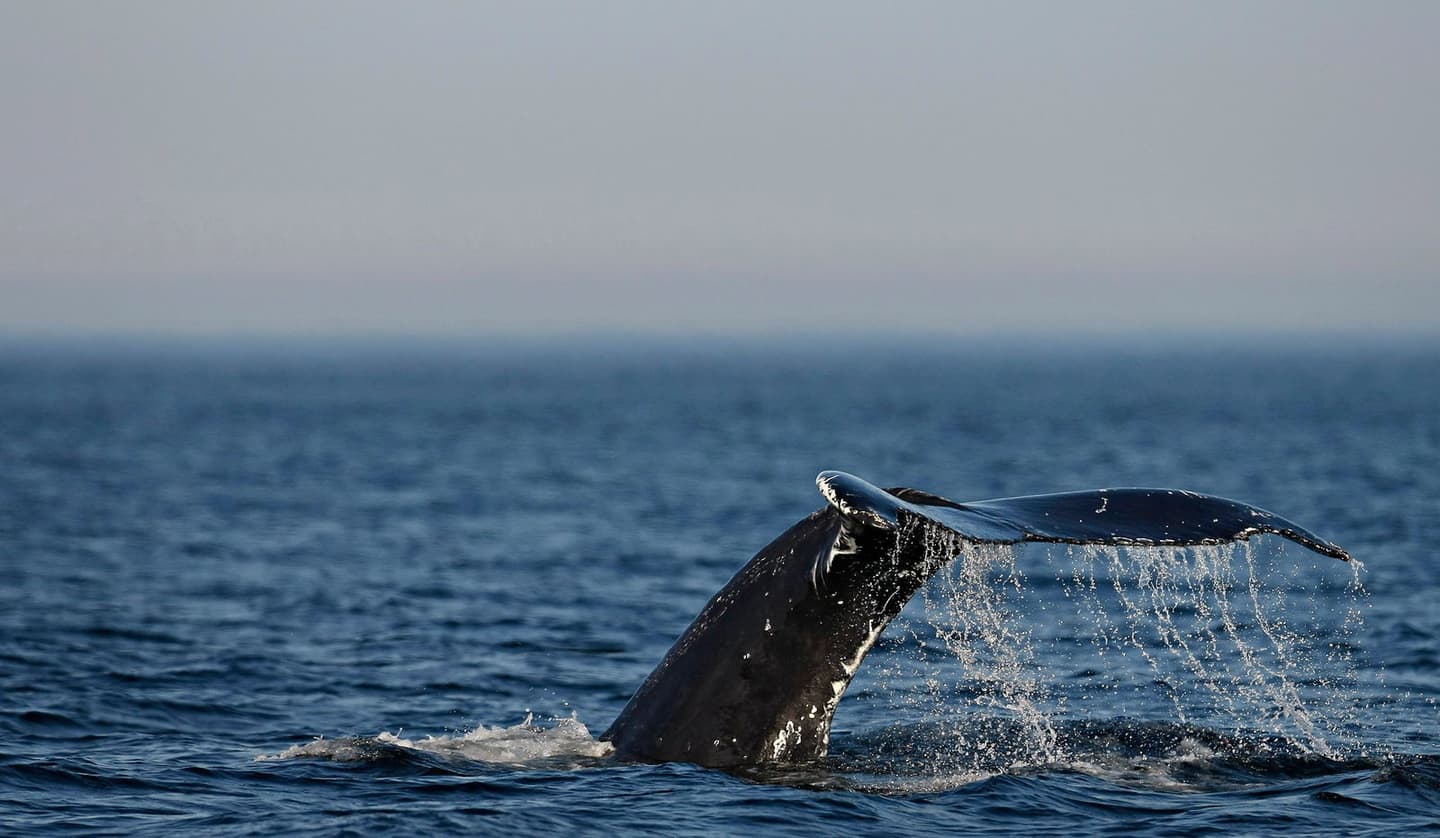
Mathieu Belanger/Reuters
Source Analysis




What Happened
What Happened
Where Sources Agree
- arrows_inputBaleen Whale Migration Surge: Sources across outlets confirm that humpback, fin, and minke whales are migrating into East Greenland in record numbers, with estimated populations of 4,000, 6,000, and 4,500 respectively in summer 2024, as they participate in mixed-species feeding frenzies, according to a study published in Frontiers in Marine Science.
- arrows_inputDrivers of Whale Migration: Reports broadly predict a sustained ecological shift in the Greenland Sea as rising water temperatures and receding ice drive capelin and baleen whales into new northern feeding grounds, according to the Greenland Institute of Natural Resources.
- arrows_inputEcological Regime Shift: Coverage confirms East Greenland is undergoing a major ecological regime shift as temperate whales increasingly displace or share habitat with ice-dependent species, according to the Greenland Institute of Natural Resources.
Where Sources Disagree
- arrows_outputMinke Whale Population Estimates: Reports differ on the estimated number of minke whales visiting the Greenland Sea in 2024, with some sources citing 4,500 individuals, while others report an estimate of 6,000.
- arrows_outputTemperature Rise Estimates: While some reports state that sea surface temperatures east of Greenland have risen by approximately 2°C since the 1990s, others note a more moderate increase of roughly 1°C during the same period.
Timeline
August 20, 2026
Study links causes and consequences: A study published in Frontiers in Marine Science led by Mads Peter Heide‑Jørgensen links the whale surge to warmer waters, retreating summer ice, and capelin redistribution, and warns that while baleen whales are 'climate winners' locally, their expansion may pressure ice‑dependent species and requires rethinking conservation models. The authors present these findings as a major ecological regime shift for East Greenland.
August 1, 2025
August 2025 mixed aggregations observed: In August 2025 ship crews reported massive mixed feeding aggregations—up to about 50 baleen whales feeding simultaneously near 69°N—confirming the large, concentrated feeding events described by researchers. These at‑sea observations reinforced the aerial and historical records of increasing whale presence.
July 1, 2024
Summer 2024 whale bonanza documented: For summer 2024 the researchers estimated roughly 4,000 humpbacks, 6,000 fin whales, and 4,500 minke whales visiting the Greenland Sea, with flights and surveys documenting an almost continuous distribution between 60°N and 70°N. During their approximately four‑month stay, the whales may consume on the order of 1.1 million tons of prey, indicating major local consumption pressure.
Summaries by Ground AI
Sources
See All 60Most Written About
The stories getting the most coverage from the last 24 hours






Source Analysis
Timeline
August 20, 2026
Study links causes and consequences: A study published in Frontiers in Marine Science led by Mads Peter Heide‑Jørgensen links the whale surge to warmer waters, retreating summer ice, and capelin redistribution, and warns that while baleen whales are 'climate winners' locally, their expansion may pressure ice‑dependent species and requires rethinking conservation models. The authors present these findings as a major ecological regime shift for East Greenland.
August 1, 2025
August 2025 mixed aggregations observed: In August 2025 ship crews reported massive mixed feeding aggregations—up to about 50 baleen whales feeding simultaneously near 69°N—confirming the large, concentrated feeding events described by researchers. These at‑sea observations reinforced the aerial and historical records of increasing whale presence.
July 1, 2024
Summer 2024 whale bonanza documented: For summer 2024 the researchers estimated roughly 4,000 humpbacks, 6,000 fin whales, and 4,500 minke whales visiting the Greenland Sea, with flights and surveys documenting an almost continuous distribution between 60°N and 70°N. During their approximately four‑month stay, the whales may consume on the order of 1.1 million tons of prey, indicating major local consumption pressure.


