WWF Report Finds 73% Drop in Wildlife Populations Since 1970
United Kingdom
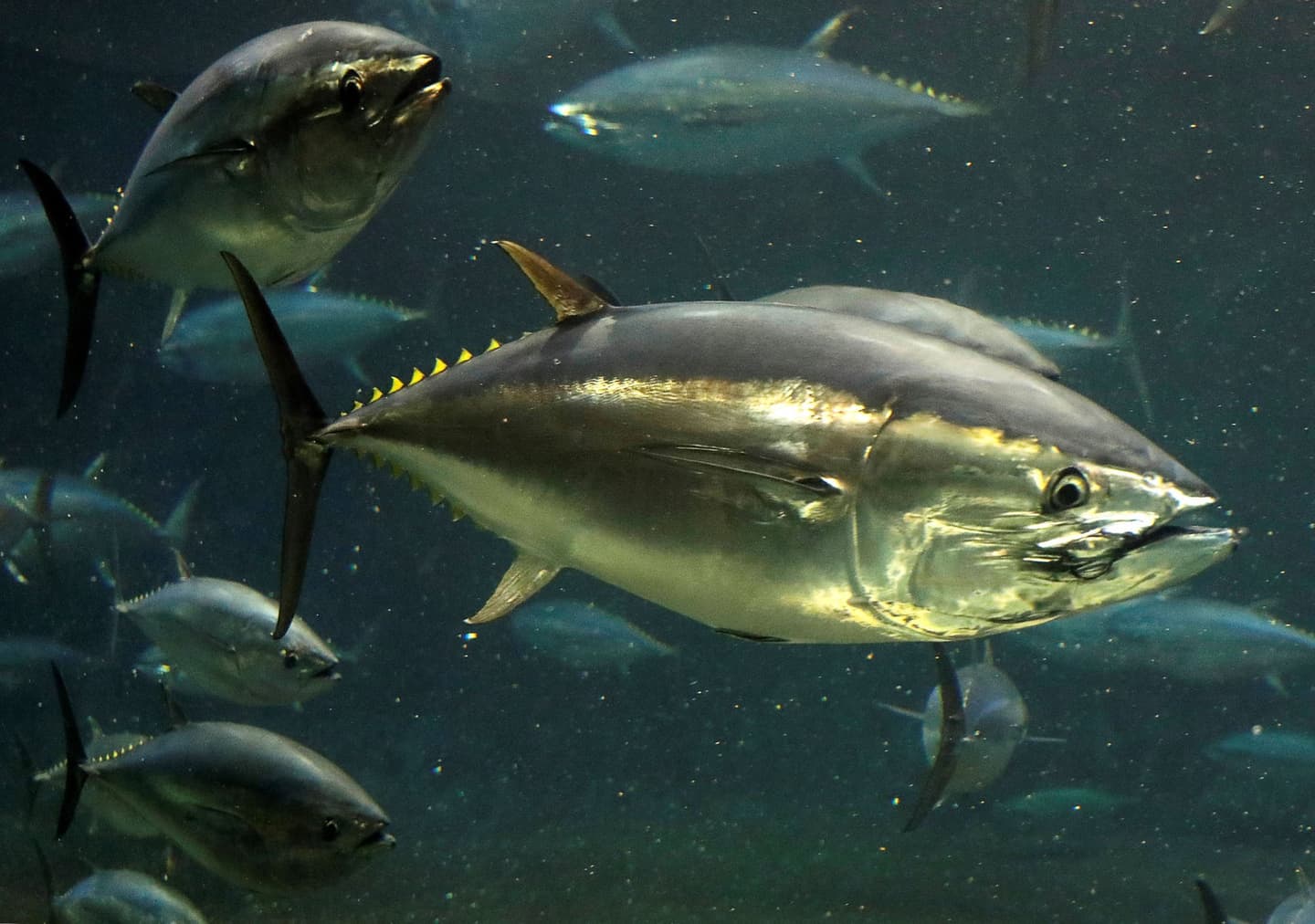
TORU HANAI/Reuters
Source Analysis




What Happened
What Happened
Where Sources Agree
- arrows_inputWildlife Population Decline: Coverage confirms that monitored wildlife populations have declined by an average of 73% between 1970 and 2022, according to the Living Planet Index produced by the Zoological Society of London.
- arrows_inputSystems Driving Biodiversity Loss: Most accounts emphasize that the global biodiversity crisis is driven by food, energy, and finance systems, which in 2023 directed $7.3 trillion toward nature-harming activities compared to just $220 billion for protection, according to the WWF's Living Planet Report.
Where Sources Disagree
- arrows_output73% Decline Statistic Interpretation: Some sources clarify that the 73% figure represents an average change in monitored population sizes rather than a total headcount of animals lost. However, other reports cite the 73% decline without this context, omitting the distinction between average population trends and absolute species loss.
- arrows_outputReport Framing Disputed: Some sources highlight the report's 'Science of Hope' framing, pointing to specific species recoveries like tigers and sea turtles as proof that conservation works. In contrast, other outlets emphasize the report's finding that nature remains in a global 'freefall,' noting that these individual comebacks are insufficient to reverse the overall 73% population decline.
Timeline
October 8, 2026
WWF publishes headline finding: WWF released the 2026 Living Planet Report (published Oct. 8, 2026) reporting an average 73% decline in the size of monitored wildlife populations between 1970 and 2022, while noting about half of monitored populations are stable or increasing.
2025
Highlighted species recoveries: The report highlights recoveries as proof conservation can work—including a >70% rise in wild tiger numbers since 2010 (to ~5,700 by 2025), green sea turtles downlisted to Least Concern (by 2025), and strong recoveries in bluefin tuna and some African elephant populations—while stressing these successes sit within an overall picture of decline.
2023
Drivers and finance skew harms: The report identifies agriculture and burning fossil fuels as the main pressures driving biodiversity loss and notes that in 2023 roughly $7.3 trillion flowed into activities that harm nature versus about $220 billion for protection or restoration.
Summary by Ground AI
Sources
See All 135A varied selection of sources chosen by Ground to reflect the diversity of this story’s coverage.
Most Written About
The stories getting the most coverage from the last 24 hours


Source Analysis
Timeline
October 8, 2026
WWF publishes headline finding: WWF released the 2026 Living Planet Report (published Oct. 8, 2026) reporting an average 73% decline in the size of monitored wildlife populations between 1970 and 2022, while noting about half of monitored populations are stable or increasing.
2025
Highlighted species recoveries: The report highlights recoveries as proof conservation can work—including a >70% rise in wild tiger numbers since 2010 (to ~5,700 by 2025), green sea turtles downlisted to Least Concern (by 2025), and strong recoveries in bluefin tuna and some African elephant populations—while stressing these successes sit within an overall picture of decline.
2023
Drivers and finance skew harms: The report identifies agriculture and burning fossil fuels as the main pressures driving biodiversity loss and notes that in 2023 roughly $7.3 trillion flowed into activities that harm nature versus about $220 billion for protection or restoration.


