Supreme Court Takes Up Trump’s Border Asylum Ban
United States
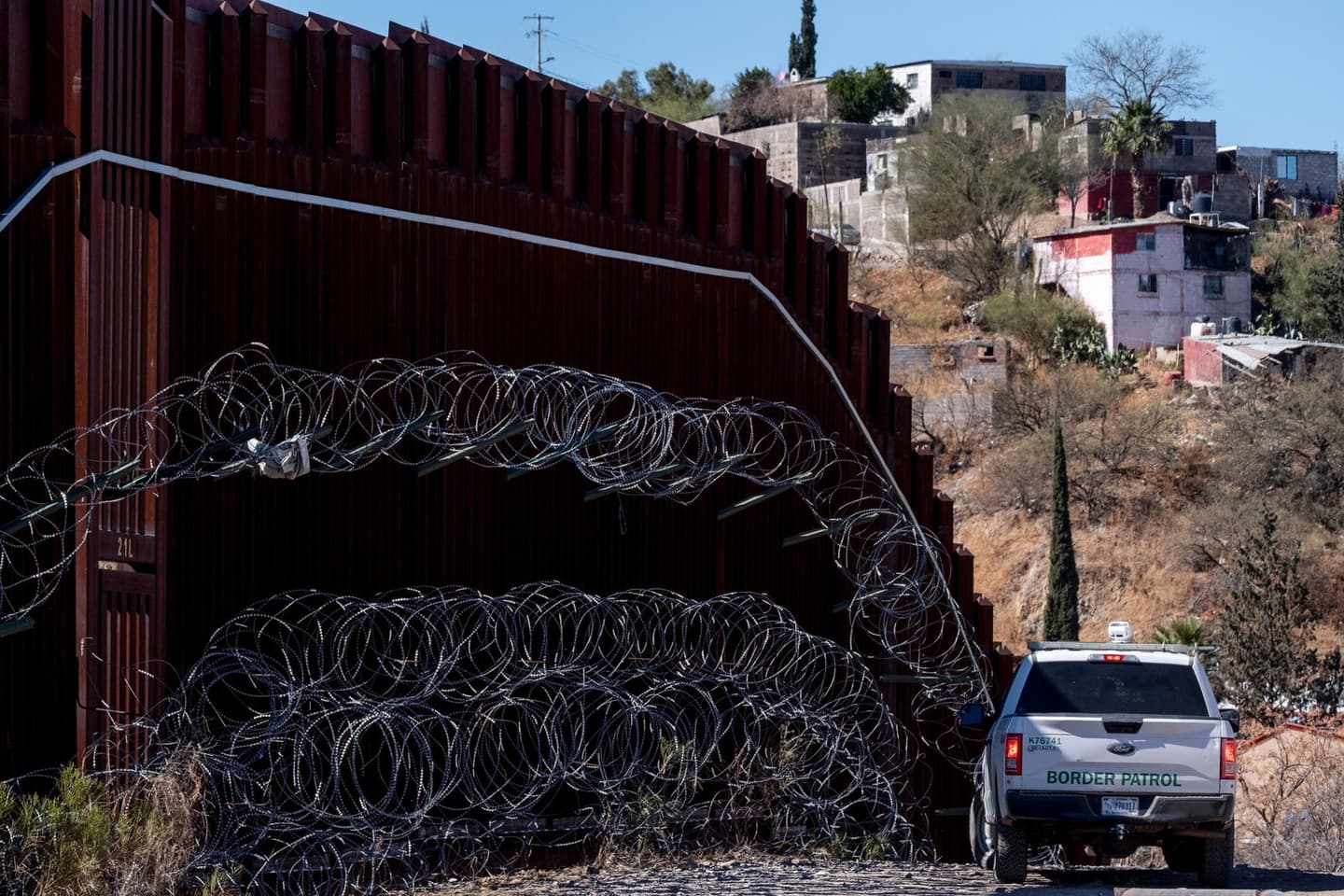
Joel Angel Juarez/Reuters
Source Analysis




What Happened
What Happened
Where Left Sources Focus
- Humanitarian Rights Advocacy: Left-leaning sources emphasize that federal law grants asylum rights regardless of arrival method, arguing the administration’s ban unilaterally eviscerates protections for those fleeing persecution. They cite immigrant rights groups and legal experts who maintain that the executive branch lacks the authority to categorically deny asylum applications.
- Policy Incentive Structures: Progressive coverage highlights disputed claims regarding the policy's effectiveness, featuring immigrant rights advocates who note border apprehensions were already declining before the change. These reports challenge the administration's justification, citing government statistics to critique the humanitarian impact of the current incentive structures.
Where Center Sources Focus
- Legal Authority Conflict: Center-leaning outlets focus on the legal mechanics of the dispute, detailing the administration's argument for inherent border authority versus critics' claims that the law requires individual review. They cover the appeals court rulings that prompted the Supreme Court’s decision to review the executive order.
- Administrative Processing Challenges: Center media detail the administration's justification for the asylum ban, specifically citing federal attorneys who argue that long processing times contributed to migrant influxes. These reports emphasize that the policy aims to prevent the acceptance of asylum applications destined for eventual rejection.
What's Largely Absent from Each Side
- Left sources rarely mention: Left sources rarely mention the administration's operational arguments regarding administrative processing backlogs. Center outlets feature these claims prominently, reporting that federal attorneys cite these years-long delays as a contributing factor to border influxes and a key justification for the asylum ban.
- Center sources rarely mention: Center coverage largely omits the specific 'invasion' rhetoric used by the administration to frame the asylum ban. Left outlets feature this language, citing the president's initial proclamation on his first day back in office as a central element of the policy's justification.
Rare Agreement
- Supreme Court Review Scope: Despite divergent coverage patterns, sources across the political spectrum agree that the Supreme Court has agreed to review the Trump administration's asylum ban. All outlets confirm the policy remains in effect during ongoing litigation, with a final decision expected by the end of June.
Timeline
November 13, 2026
Policy contested; reported effects: The administration argues it may categorically deny asylum and not accept applications it expects to reject, while advocates say the order attempts to eviscerate legal protections and that asylum decisions must be individualized; the policy has remained in place during litigation. Supporters cite dramatic reductions in border apprehensions (about 90–93%), while immigrant-rights groups contend crossings were already falling before the policy.
November 13, 2026
Supreme Court agrees to review: On Friday the Supreme Court agreed to consider the administration’s appeal and will review a federal appeals court decision that said Trump exceeded his authority in suspending asylum applications. The court’s acceptance elevates the dispute over the scope of executive power on asylum.
January 1, 2025
Lower courts find ban unlawful: Federal and appeals courts weighed in against the executive order, with lower-court rulings finding the asylum ban illegal or that Trump exceeded his authority when he suspended asylum applications last year. The administration is appealing those decisions.
Summary by Ground AI
Sources
See All 270A varied selection of sources chosen by Ground to reflect the diversity of this story’s coverage.
Most Written About
The stories getting the most coverage from the last 24 hours





Source Analysis
Timeline
November 13, 2026
Policy contested; reported effects: The administration argues it may categorically deny asylum and not accept applications it expects to reject, while advocates say the order attempts to eviscerate legal protections and that asylum decisions must be individualized; the policy has remained in place during litigation. Supporters cite dramatic reductions in border apprehensions (about 90–93%), while immigrant-rights groups contend crossings were already falling before the policy.
November 13, 2026
Supreme Court agrees to review: On Friday the Supreme Court agreed to consider the administration’s appeal and will review a federal appeals court decision that said Trump exceeded his authority in suspending asylum applications. The court’s acceptance elevates the dispute over the scope of executive power on asylum.
January 1, 2025
Lower courts find ban unlawful: Federal and appeals courts weighed in against the executive order, with lower-court rulings finding the asylum ban illegal or that Trump exceeded his authority when he suspended asylum applications last year. The administration is appealing those decisions.


