Science Study Finds Two Unknown Archaic Human Lineages in Modern DNA
Berkeley, US
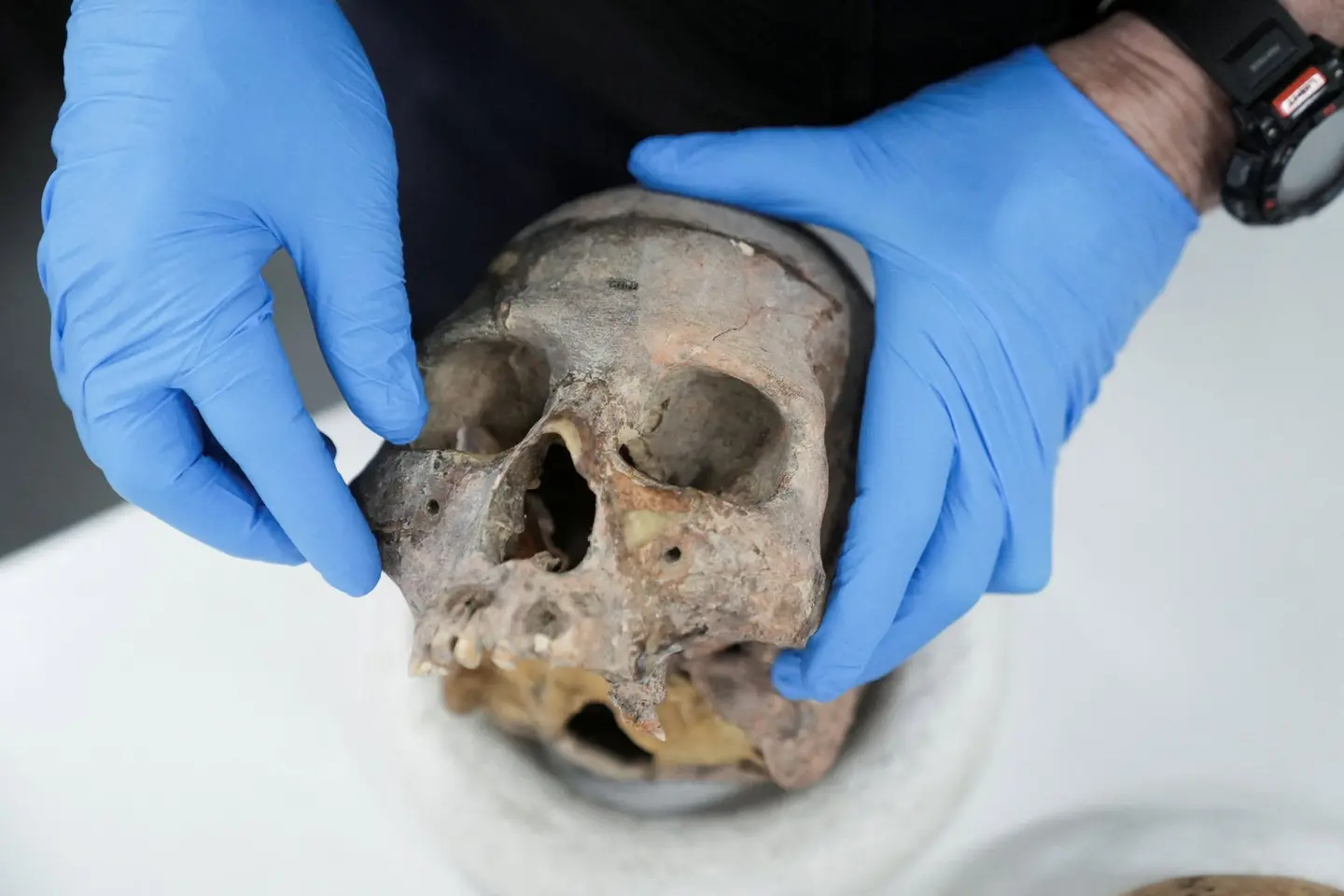
Nathalia Angarita/Reuters
Source Analysis




What Happened
Key Implications
What Happened
Key Implications
Where Sources Agree
- arrows_inputGhost Lineage Discovery: Most coverage confirms that researchers developed a new method called TRACE to identify unknown 'ghost' lineages in modern humans, with the technique analyzing 503 contemporary genomes to reconstruct genealogical relationships without requiring ancient DNA samples, according to study authors.
- arrows_inputGhost Ancestry Identified: Most sources align on the presence of ghost ancestry in all modern human genomes, which constitutes 0.5% to 1% of our genetic makeup and diverged from our lineage approximately 800,000 years ago, according to genomic research findings.
Where Sources Disagree
- arrows_outputArchaic Admixture vs. Population Structure: Researchers using genealogical modeling argue that 'ghost lineages'—unknown archaic ancestors—contributed DNA to all modern humans, explaining our genetic diversity. However, other anthropological geneticists contend that models emphasizing complex ancestral population structure better account for this diversity without requiring contributions from unknown archaic species.
- arrows_outputGhost Lineage Divergence Timeline: Some researchers estimate the ghost lineage diverged from modern human ancestors approximately 800,000 years ago. In contrast, other reporting describes the split as occurring more than 500,000 years ago, placing it in the timeframe when Neanderthals and Denisovans diverged.
Timeline
July 30, 2026
Implications for Fossils and Function: Authors note only 1–4% of genetic differentiation among living human populations traces to ancestral stem variation, suggesting early stems were similar in appearance and complicating fossil interpretation; archaic segments are enriched in immune and metabolic regions and even appear near FOXP2, a gene linked to speech. The findings reshape how genetic and fossil evidence are reconciled and point to continued need for computational methods and rare fossil DNA to refine understanding.
July 30, 2026
Ghost and Super‑Archaic Lineages Identified: The study found a 'ghost' lineage present in all modern populations contributing about 0.5–1% of individual genomes and inferred it diverged roughly 800,000 years ago; it also detected a 'super‑archaic' lineage that split ~1.8 million years ago and appears in Oceanians via Denisovan-mediated gene flow (super‑archaic DNA averaging ~0.002% in tested Oceanian genomes). Overall, archaic contributions account for ~2% of non‑African genomes.
July 30, 2026
Science Paper Introduces TRACE: On July 30, 2026, Zhang, Biddanda, Moorjani and colleagues published a Science study introducing TRACE, a method that reconstructs ancestral recombination graphs from modern genomes and mapped genomic regions inherited from previously unknown hominin lineages. Using over 500 contemporary genomes, the team located archaic ancestry segments without requiring ancient DNA.
Summaries by Ground AI
Sources
See All 15Most Written About
The stories getting the most coverage from the last 24 hours




Source Analysis
Timeline
July 30, 2026
Implications for Fossils and Function: Authors note only 1–4% of genetic differentiation among living human populations traces to ancestral stem variation, suggesting early stems were similar in appearance and complicating fossil interpretation; archaic segments are enriched in immune and metabolic regions and even appear near FOXP2, a gene linked to speech. The findings reshape how genetic and fossil evidence are reconciled and point to continued need for computational methods and rare fossil DNA to refine understanding.
July 30, 2026
Ghost and Super‑Archaic Lineages Identified: The study found a 'ghost' lineage present in all modern populations contributing about 0.5–1% of individual genomes and inferred it diverged roughly 800,000 years ago; it also detected a 'super‑archaic' lineage that split ~1.8 million years ago and appears in Oceanians via Denisovan-mediated gene flow (super‑archaic DNA averaging ~0.002% in tested Oceanian genomes). Overall, archaic contributions account for ~2% of non‑African genomes.
July 30, 2026
Science Paper Introduces TRACE: On July 30, 2026, Zhang, Biddanda, Moorjani and colleagues published a Science study introducing TRACE, a method that reconstructs ancestral recombination graphs from modern genomes and mapped genomic regions inherited from previously unknown hominin lineages. Using over 500 contemporary genomes, the team located archaic ancestry segments without requiring ancient DNA.


