Libya’s Sharara Oil Output Falls After Valve Closure
Libya
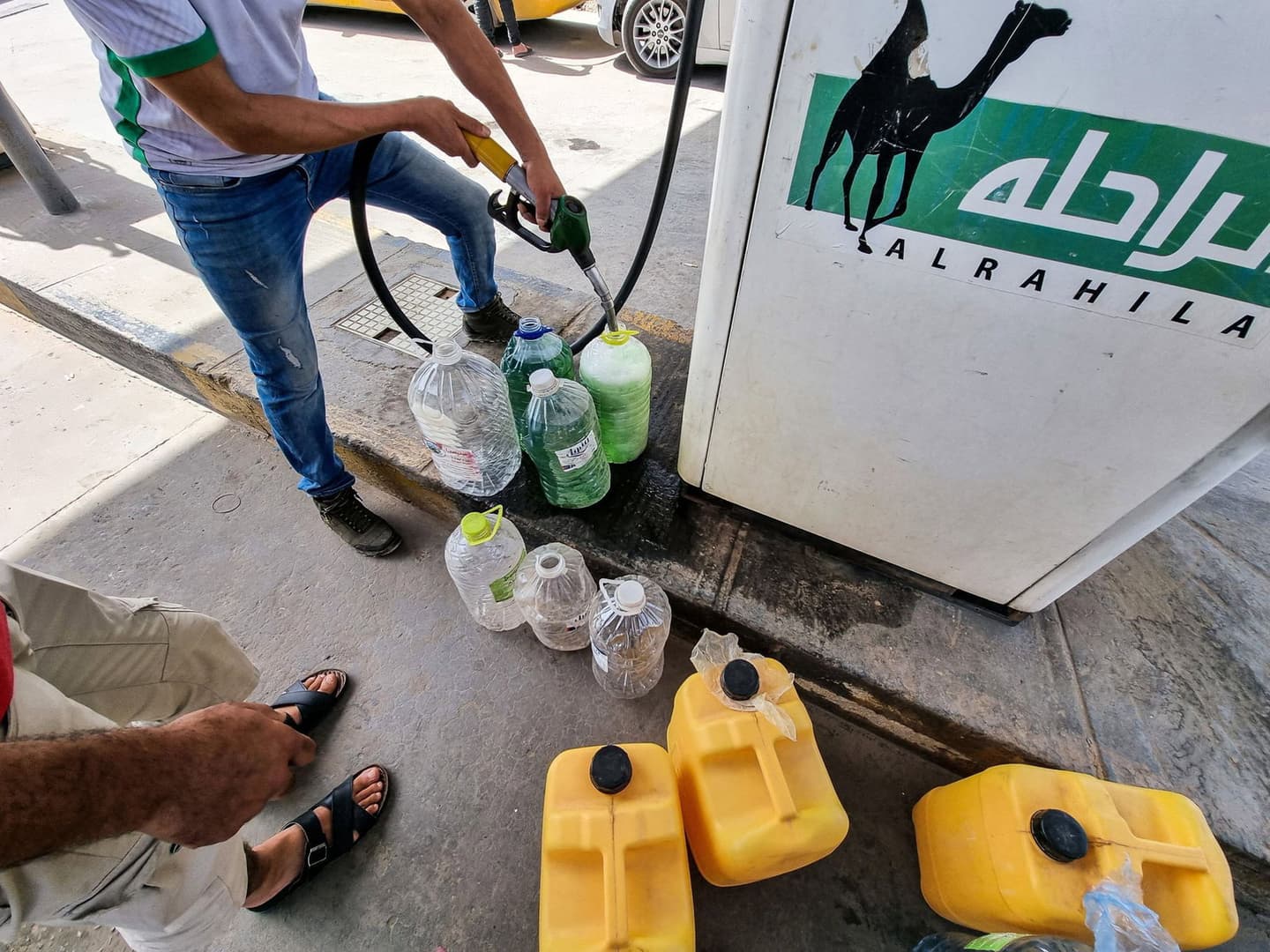
MAHMUD TURKIA/AFP via Getty Images/Getty




What Happened
Key Implications
What Happened
Key Implications
Where Sources Agree
- arrows_inputSharara Pipeline Valve Closure: All outlets cite the closure of valve seven on the Sharara-Zawiya pipeline on Monday, which triggered a sharp reduction in production, according to the National Oil Corporation.
- arrows_inputSharara Field Production Disruption: Most outlets report that an armed group closed a pipeline valve at the Sharara oilfield, causing a significant production drop and prompting warnings of potential force majeure and economic instability, according to the National Oil Corporation.
Where Sources Disagree
- arrows_outputSharara Oilfield Production Estimates: Some reports estimate the Sharara oilfield’s production capacity at 300,000 to 320,000 barrels per day, while others place the figure at 340,000 to 350,000 barrels per day.
- arrows_outputSharara Oil Output Estimates: Field engineers report that Sharara oilfield production fell to between 100,000 and 105,000 barrels per day following the valve closure, while various market estimates indicate that output slumped to approximately 120,000 barrels per day.
Timeline
September 22, 2026
Force Majeure and Economic Threat: The NOC warned that if the shutdown continued it could be compelled to declare force majeure on Sharara output and exports, a step that would sharply reduce state revenues and damage the national economy amid elevated global oil prices. The corporation stressed the disruption exposed technical and operational risks to oil transport and export systems.
September 22, 2026
Output Slumps to ~100,000 BPD: Reports and engineers said output fell by roughly 200,000 barrels per day, with the field producing between about 100,000 and 105,000 barrels per day after the closure (estimates before the incident put capacity near 300–350,000 bpd). That reduction removed roughly two-thirds of Sharara's normal production.
September 21, 2026
Pressure Buildup and Refinery Risk: The closure caused a pressure buildup in the crude pipeline and led to a significant reduction in production at Sharara, with the NOC warning the Zawiya refinery (about 45 km west of Tripoli) could be forced to shut if the disruption continued. The NOC said continued closure might compel it to declare force majeure.
Summary by Ground AI
Sources
See All 69A varied selection of sources chosen by Ground to reflect the diversity of this story’s coverage.
Most Written About
The stories getting the most coverage from the last 24 hours


Timeline
September 22, 2026
Force Majeure and Economic Threat: The NOC warned that if the shutdown continued it could be compelled to declare force majeure on Sharara output and exports, a step that would sharply reduce state revenues and damage the national economy amid elevated global oil prices. The corporation stressed the disruption exposed technical and operational risks to oil transport and export systems.
September 22, 2026
Output Slumps to ~100,000 BPD: Reports and engineers said output fell by roughly 200,000 barrels per day, with the field producing between about 100,000 and 105,000 barrels per day after the closure (estimates before the incident put capacity near 300–350,000 bpd). That reduction removed roughly two-thirds of Sharara's normal production.
September 21, 2026
Pressure Buildup and Refinery Risk: The closure caused a pressure buildup in the crude pipeline and led to a significant reduction in production at Sharara, with the NOC warning the Zawiya refinery (about 45 km west of Tripoli) could be forced to shut if the disruption continued. The NOC said continued closure might compel it to declare force majeure.


