Justice Department Seeks to Dismiss California Ballot Suit as Hearing Nears
California, US
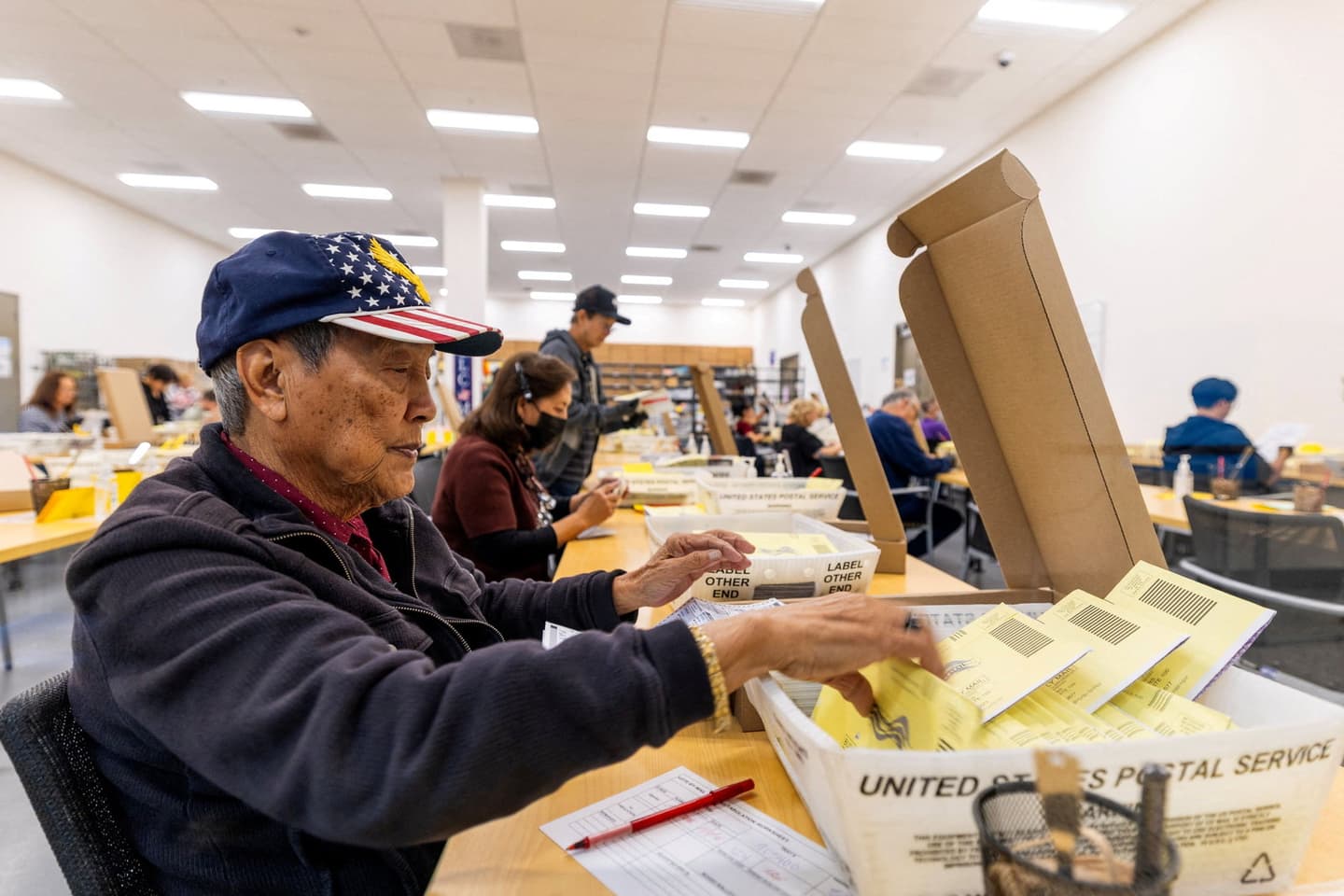
Mike Blake/Reuters
Source Analysis




What Happened
What Happened
Where Sources Disagree
- arrows_outputVoter List Credibility: The Justice Department alleged that a list of 20,000 voters required verification due to their suspected noncitizen status. However, California election officials and the presiding federal judge characterized the list as outdated and inclusive of legitimate voters, arguing the lawsuit could disenfranchise eligible citizens.
- arrows_outputDOJ Dismissal Rationale: The Justice Department cited procedural necessity for the dismissal, stating that challenged ballots were already commingled with lawful ones, making the requested relief impossible. Conversely, other reports highlight that the withdrawal occurred immediately following significant Republican losses in the midterm elections, framing the decision within the broader political context.
Timeline
November 6, 2026
DOJ moves to voluntarily dismiss: On November 6, 2026, the Justice Department moved to voluntarily dismiss the case, saying the relief it sought was no longer available because challenged ballots would have been processed, anonymized and commingled (California had processed roughly 9 million ballots with nearly 5 million left to count). The dismissal came days after major midterm losses for Republicans and four days after the Supreme Court denied the emergency request.
November 2, 2026
Supreme Court denies emergency appeal: On November 2, 2026, the Supreme Court rejected the Justice Department's emergency bid to require California to segregate the roughly 20,000 disputed mail ballots on the eve of Election Day. The one-line denial left lower-court proceedings and the scheduled expedited hearing in place.
October 28, 2026
Judge appoints special master: U.S. District Judge David O. Carter rejected the DOJ's emergency request and in late October appointed a special master to examine how Homeland Security compiled the disputed list and to conduct additional fact-finding. Carter warned that separating ballots at that late stage could risk disenfranchising voters.
Perspectives and Debates
Why did the Justice Department drop its lawsuit over the California ballots?
Summary by Ground AI
Sources
See All 157A varied selection of sources chosen by Ground to reflect the diversity of this story’s coverage.
Most Written About
The stories getting the most coverage from the last 24 hours





Source Analysis
Timeline
November 6, 2026
DOJ moves to voluntarily dismiss: On November 6, 2026, the Justice Department moved to voluntarily dismiss the case, saying the relief it sought was no longer available because challenged ballots would have been processed, anonymized and commingled (California had processed roughly 9 million ballots with nearly 5 million left to count). The dismissal came days after major midterm losses for Republicans and four days after the Supreme Court denied the emergency request.
November 2, 2026
Supreme Court denies emergency appeal: On November 2, 2026, the Supreme Court rejected the Justice Department's emergency bid to require California to segregate the roughly 20,000 disputed mail ballots on the eve of Election Day. The one-line denial left lower-court proceedings and the scheduled expedited hearing in place.
October 28, 2026
Judge appoints special master: U.S. District Judge David O. Carter rejected the DOJ's emergency request and in late October appointed a special master to examine how Homeland Security compiled the disputed list and to conduct additional fact-finding. Carter warned that separating ballots at that late stage could risk disenfranchising voters.


