Isaias Leaves 396,000 Without Power as Rain Threat Spreads North
United States
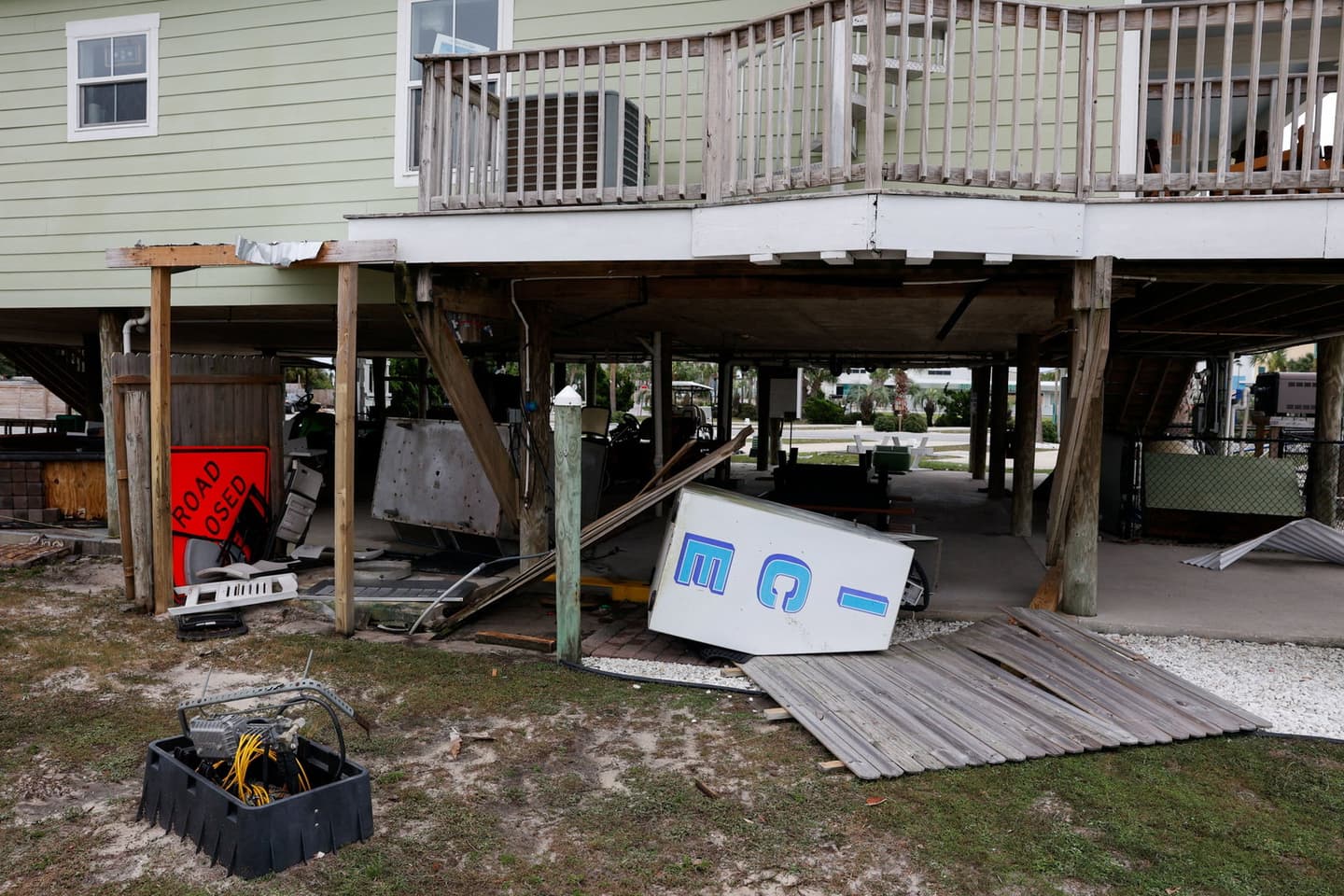
Marco Bello/Reuters
Source Analysis




What Happened
What Happened
Where Sources Agree
- arrows_inputHurricane Isaias Power Outages: Most outlets report that nearly 396,000 customers across the Florida Panhandle and southern Alabama remained without power early Sunday as Hurricane Isaias moved north, according to official storm reports.
- arrows_inputForecasted Storm Path: Several sources align on the expectation that Isaias will track toward the central Appalachians and mid-Atlantic on Sunday, bringing heavy rainfall and the risk of isolated flash and urban flooding, according to the National Hurricane Center.
- arrows_inputPacific Storm Simon Status: Sources across outlets confirm that Pacific Storm Simon is a Category 4 storm with 150 mph winds as it approaches the Mexican coast, according to weather reports.
Where Sources Disagree
- arrows_outputPacific Storm Simon Intensity: Some sources report Pacific Storm Simon reached 150 mph winds as it approached the Mexican coast, while other reports place the storm's intensity slightly higher at 155 mph.
- arrows_outputStorm Rachel Classification: Sources differ on the classification of Pacific Storm Rachel, with some outlets identifying the system as a post-tropical cyclone, while others refer to it as a tropical storm.
Timeline
October 11, 2026
Federal emergency and energy actions: The president approved emergency declarations allowing federal aid for affected states, and the U.S. Energy Department authorized emergency exchanges from the strategic petroleum reserve to address storm-related supply disruptions. These actions were taken to support response and address energy impacts from the storm.
October 11, 2026
Widespread outages as system moves north: Nearly 396,000 customers across the Florida Panhandle and southern Alabama remained without power early Sunday as remnants of Isaias moved north, while forecasters warned heavy rainfall would continue into the central Appalachians and mid-Atlantic with threats of flash and urban flooding. Officials emphasized heavy rainfall as the primary hazard and expected isolated flash flooding and residual gusty winds.
October 11, 2026
Storm-linked deaths and injuries: At least four deaths were linked to the storm, including people killed when trees fell onto homes in Florida and Alabama and a death from carbon monoxide from a generator; multiple family members were treated and expected to survive. Additional storm-related fatalities were reported in Birmingham and Barbour County, Alabama.
Summary by Ground AI
Sources
See All 37A varied selection of sources chosen by Ground to reflect the diversity of this story’s coverage.
Most Written About
The stories getting the most coverage from the last 24 hours


Source Analysis
Timeline
October 11, 2026
Federal emergency and energy actions: The president approved emergency declarations allowing federal aid for affected states, and the U.S. Energy Department authorized emergency exchanges from the strategic petroleum reserve to address storm-related supply disruptions. These actions were taken to support response and address energy impacts from the storm.
October 11, 2026
Widespread outages as system moves north: Nearly 396,000 customers across the Florida Panhandle and southern Alabama remained without power early Sunday as remnants of Isaias moved north, while forecasters warned heavy rainfall would continue into the central Appalachians and mid-Atlantic with threats of flash and urban flooding. Officials emphasized heavy rainfall as the primary hazard and expected isolated flash flooding and residual gusty winds.
October 11, 2026
Storm-linked deaths and injuries: At least four deaths were linked to the storm, including people killed when trees fell onto homes in Florida and Alabama and a death from carbon monoxide from a generator; multiple family members were treated and expected to survive. Additional storm-related fatalities were reported in Birmingham and Barbour County, Alabama.


