Putin Shifts War Costs Onto Russian Households, Regions and Pension Funds
Russia
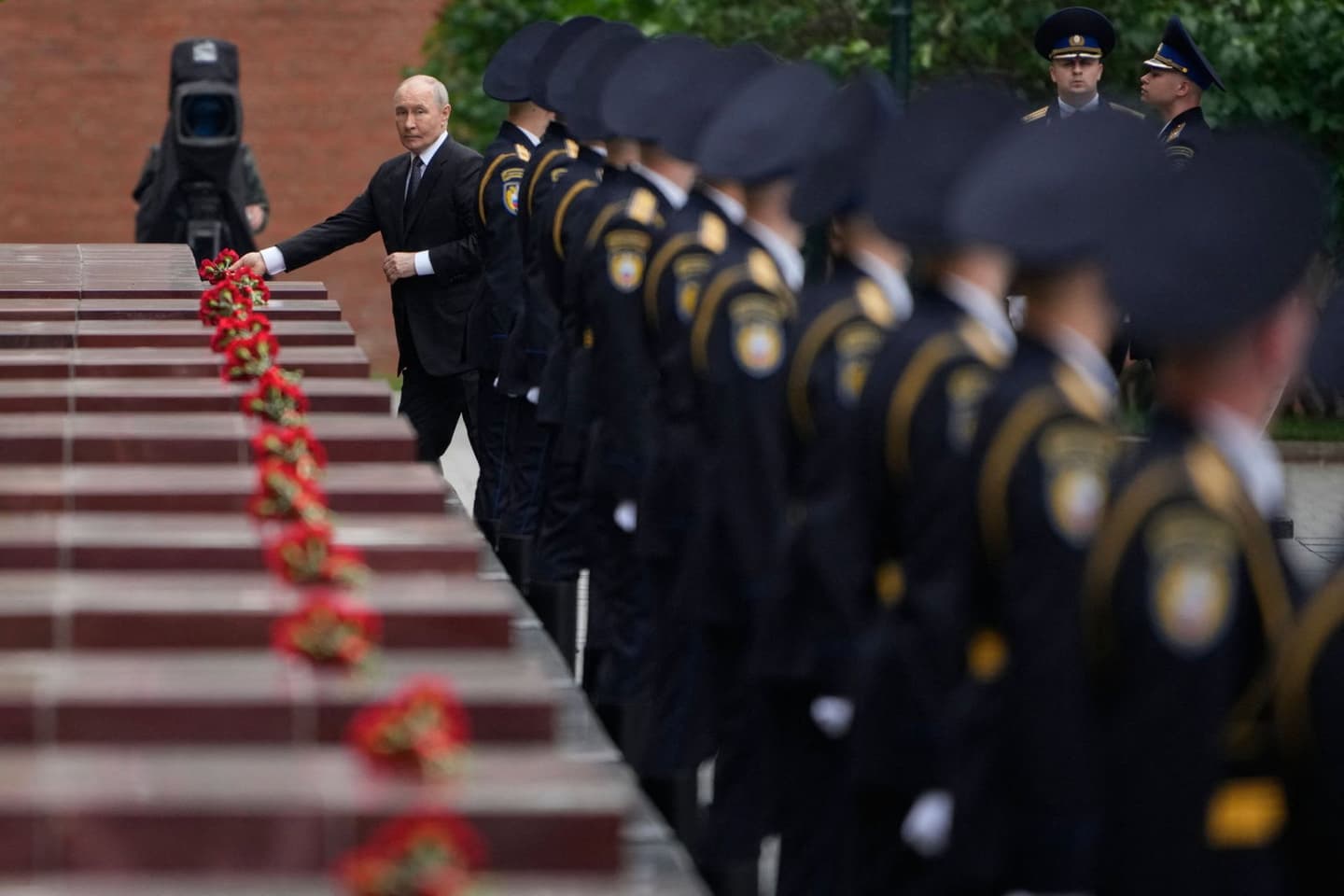
Pavel Bednyakov / POOL / AFP via Getty Images/Getty
Source Analysis




What Happened
What Happened
Timeline
July 27, 2026
Late July 2026 fiscal crunch: By late July 2026 Russia's 2026 budget allocated about 16.8 trillion rubles (roughly 38% of federal spending) to defense even as the economy contracted and growth forecasts were cut, the National Wealth Fund had fallen from about $130 billion pre-invasion to roughly $50 billion, and domestic bond markets weakened with auctions suspended. Together these developments left the Kremlin reliant on taxes, asset seizures and financial engineering to sustain military spending.
June 1, 2026
Households and pensions targeted: In January 2026 the standard VAT rose from 20% to 22% — a measure the government tied to defense funding — and the Finance Ministry in June 2026 backed draft legislation to transfer nearly $40 billion in private pension savings into state-managed funds, marking a deliberate shift of war costs onto households and their savings. Analysts noted the Kremlin was now tapping the politically sensitive household money pot as other sources ran dry.
December 31, 2025
Large-scale asset seizures: Between early 2022 and late 2025 prosecutors filed claims to seize roughly $60 billion in assets, and courts transferred major private assets — including a May 2025 court transfer of $7.6 billion from Rusagro founder Vadim Moshkovich — as part of a nationalization wave. Reporting notes that seizures continued beyond Cedar's 2025 tally and that about $50 billion was confiscated during the first three years of the war.
Summaries by Ground AI
Sources
See All 24Most Written About
The stories getting the most coverage from the last 24 hours


Source Analysis
Timeline
July 27, 2026
Late July 2026 fiscal crunch: By late July 2026 Russia's 2026 budget allocated about 16.8 trillion rubles (roughly 38% of federal spending) to defense even as the economy contracted and growth forecasts were cut, the National Wealth Fund had fallen from about $130 billion pre-invasion to roughly $50 billion, and domestic bond markets weakened with auctions suspended. Together these developments left the Kremlin reliant on taxes, asset seizures and financial engineering to sustain military spending.
June 1, 2026
Households and pensions targeted: In January 2026 the standard VAT rose from 20% to 22% — a measure the government tied to defense funding — and the Finance Ministry in June 2026 backed draft legislation to transfer nearly $40 billion in private pension savings into state-managed funds, marking a deliberate shift of war costs onto households and their savings. Analysts noted the Kremlin was now tapping the politically sensitive household money pot as other sources ran dry.
December 31, 2025
Large-scale asset seizures: Between early 2022 and late 2025 prosecutors filed claims to seize roughly $60 billion in assets, and courts transferred major private assets — including a May 2025 court transfer of $7.6 billion from Rusagro founder Vadim Moshkovich — as part of a nationalization wave. Reporting notes that seizures continued beyond Cedar's 2025 tally and that about $50 billion was confiscated during the first three years of the war.


