Reuters/Ipsos Poll Finds 1 in 3 Americans Back Iran War
United States
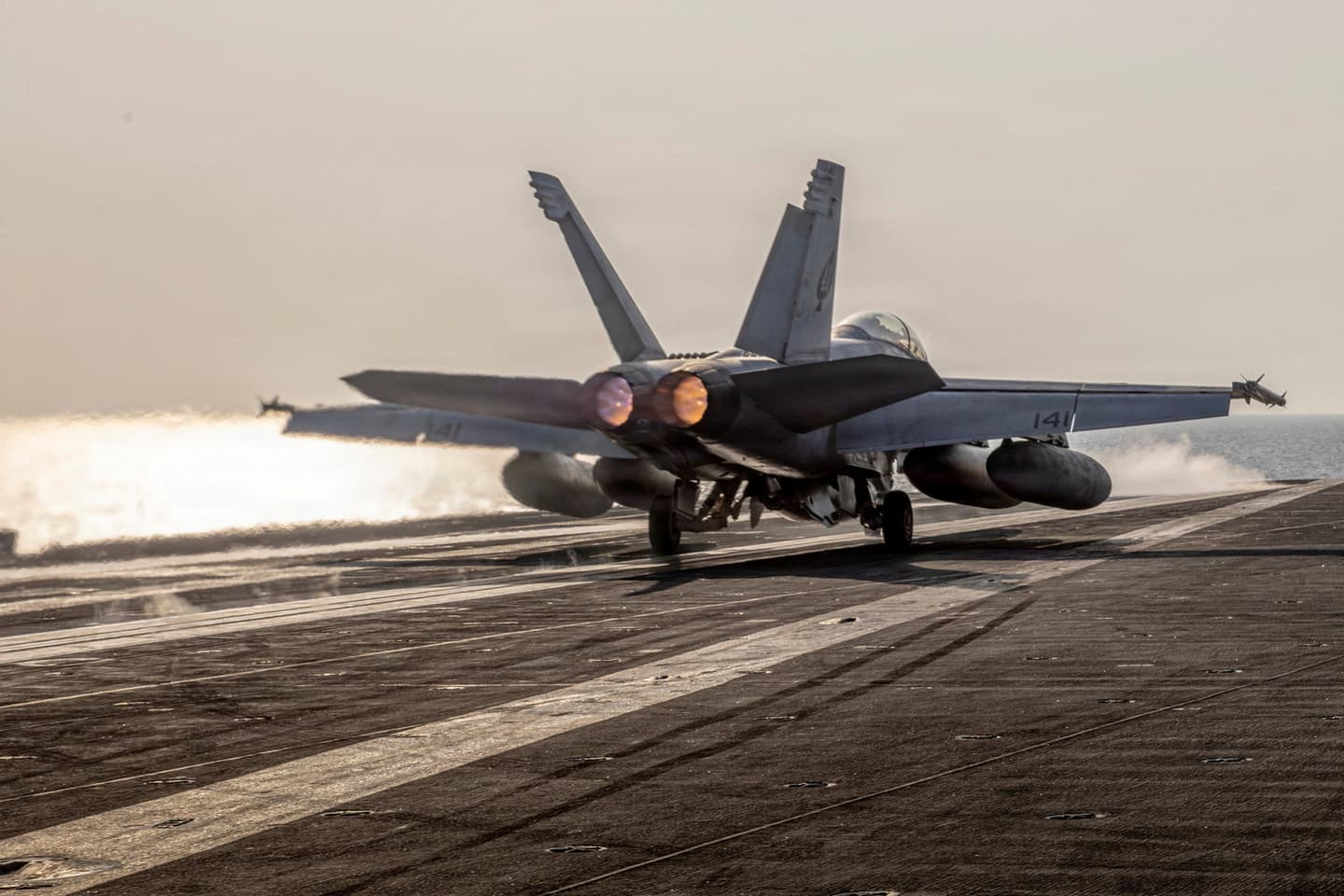
US Navy/Reuters
Source Analysis




What Happened
What Happened
Where Sources Agree
- arrows_inputLow Public Support for Iran War: Multiple sources report that only one in three Americans supports the war in Iran, marking the lowest level of public backing since the conflict began in February, according to Reuters/Ipsos polling.
- arrows_inputLack of Clarity on Objectives: Some coverage highlights that 69% of Americans believe President Trump has failed to clearly explain the objectives of U.S. military involvement in Iran as a point of widespread uncertainty, according to a recent Reuters/Ipsos poll.
- arrows_inputRising Gas Prices: Some outlets verify that gasoline prices have risen to an average of over $4 per gallon, up from approximately $3 before the war began on February 28, according to AAA and Gas Buddy.
Where Sources Disagree
- arrows_outputService Member Casualty Discrepancy: While some sources cite 18 U.S. service member deaths in the conflict, other reports note that the Pentagon revised the official casualty database following an administrative review that removed four previously counted troops.
- arrows_outputNational Gas Price Discrepancy: Reports on the national average price for regular gas vary slightly, with some sources citing $4.11 per gallon, while others report the figure at $4.06.
- arrows_outputPresidential Approval Rating: Some outlets report President Trump’s approval rating at 37% based on recent polling data. In contrast, other sources cite figures of 39% to 40% for the president’s job approval.
Timeline
July 27, 2026
Updated casualty and injury totals: Updated defense tallies and reporting show 18 U.S. service members killed and expanded counts of wounded and injured (including an updated total of 624 wounded and Pentagon revisions to its casualty database), drawing renewed attention to the human costs of the campaign. These revisions and new injury tallies were reported alongside late‑July coverage.
July 27, 2026
Reuters/Ipsos poll: one in three support: A Reuters/Ipsos poll conducted July 24–26 and released July 27 found only about one‑third (33%) of Americans approved of the U.S. war in Iran, while 69% said President Trump had not clearly explained the goals; Trump's approval in the same poll rose to 37%. The survey sampled roughly 1,246 U.S. adults with a margin of error of ±3 points.
July 27, 2026
Ceasefire collapses, strikes resume: By the end of July the short‑lived memorandum of understanding to pause hostilities had broken down and U.S. and Iranian forces resumed exchanging strikes, undoing the late‑June pause. Reporting at the end of July described renewed exchanges and continued hostilities.
Perspectives and Debates
Should low public support for the Iran war drive U.S. policy decisions?
Summaries by Ground AI
Sources
See All 88Most Written About
The stories getting the most coverage from the last 24 hours


Source Analysis
Timeline
July 27, 2026
Updated casualty and injury totals: Updated defense tallies and reporting show 18 U.S. service members killed and expanded counts of wounded and injured (including an updated total of 624 wounded and Pentagon revisions to its casualty database), drawing renewed attention to the human costs of the campaign. These revisions and new injury tallies were reported alongside late‑July coverage.
July 27, 2026
Reuters/Ipsos poll: one in three support: A Reuters/Ipsos poll conducted July 24–26 and released July 27 found only about one‑third (33%) of Americans approved of the U.S. war in Iran, while 69% said President Trump had not clearly explained the goals; Trump's approval in the same poll rose to 37%. The survey sampled roughly 1,246 U.S. adults with a margin of error of ±3 points.
July 27, 2026
Ceasefire collapses, strikes resume: By the end of July the short‑lived memorandum of understanding to pause hostilities had broken down and U.S. and Iranian forces resumed exchanging strikes, undoing the late‑June pause. Reporting at the end of July described renewed exchanges and continued hostilities.


