U.S. Food and Drug Administration Approves Neuralink's Pivotal Brain Implant Trial
United States
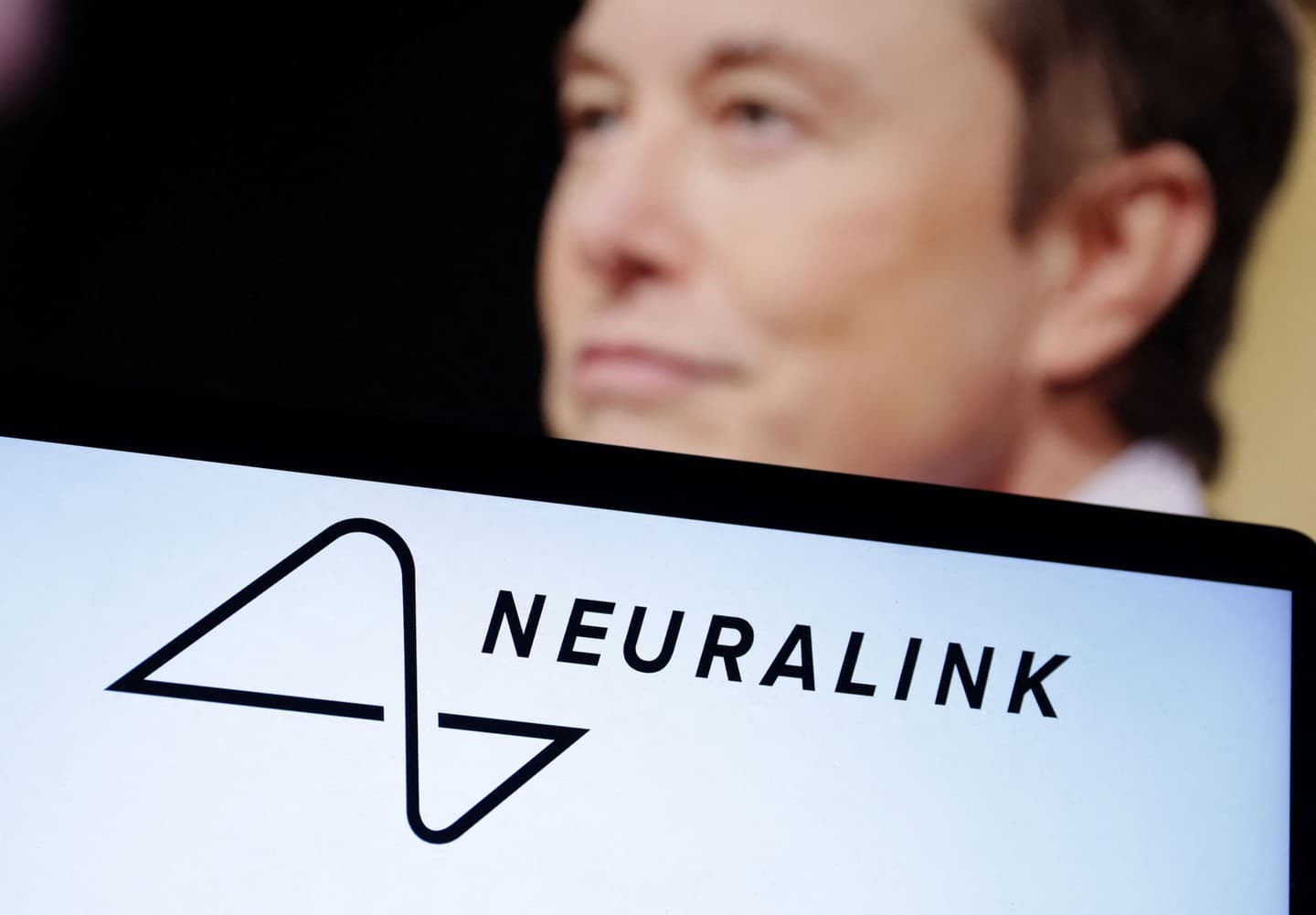
DADO RUVIC/Reuters




What Happened
Key Implications
What Happened
Key Implications
Where Left Sources Focus
- Human Impact and Optimism: Left-leaning coverage prioritizes personal narratives, highlighting how Neuralink’s technology offers freedom and hope for patients with ALS. They cite testimonials from participants like Bradford Smith, who report improved communication and independence through the brain-computer interface system.
- Technological Milestone: Progressive coverage frames the FDA approval as a significant, transformative milestone for brain-computer interface development. These reports view the pivotal trial as a crucial step toward refining the LINK system and eventually bringing the technology to market.
Where Center Sources Focus
- Regulatory and Investigational Status: Center-leaning outlets emphasize the experimental nature of the trial, clarifying that the FDA’s approval does not constitute general medical authorization. They note the device remains investigational and that successful trial completion does not guarantee future market access.
- Technical Protocol and Functionality: Coverage across center sources details the specific mechanics of the LINK pivotal study, including the use of the N1 implant and R1 surgical robot. These reports outline the rigorous screening, implantation, and follow-up assessments required for participants.
What's Largely Absent from Each Side
- Left sources rarely mention: Left-leaning sources rarely mention that the pivotal trial status is strictly investigational and not a general medical approval. Center outlets feature this regulatory context prominently to manage expectations regarding the device’s current commercial availability.
- Center sources rarely mention: Center sources rarely mention personal narratives regarding the qualitative impact of the device on participant lives. Left-leaning coverage features these stories to provide human context to the abstract medical data, citing improvements in communication and independence.
Rare Agreement
- Core Trial Approval: Sources across the spectrum agree that the FDA has approved Neuralink’s pivotal clinical trial for the LINK brain-computer interface, which will evaluate the N1 implant system in patients with severe paralysis caused by ALS.
Timeline
November 25, 2026
Device, procedures, follow-up outlined: Neuralink said the system being evaluated uses the N1 implant (which sits within the skull with no external wires), fine electrode threads inserted into the motor cortex via the R1 surgical robot, wireless communication and charging, and device training; its published pathway includes imaging, implantation and follow-ups extending to 24 months. The pivotal study will assess whether the implant enables reliable control of digital devices through thought while maintaining an acceptable long-term safety profile.
November 25, 2026
Trial focuses on ALS patients: The LINK pivotal study is designed to evaluate safety and effectiveness in people with severe paralysis caused by ALS and will be open to a limited number of eligible adults with ALS; Neuralink directed interested people to its clinical-trial page for eligibility and enrollment details. The company did not disclose the planned number of participants or a detailed site breakdown and must recruit and screen participants under its approved protocol.
November 25, 2026
FDA permits pivotal trial: Neuralink announced that the U.S. Food and Drug Administration granted permission to launch LINK, the first pivotal clinical trial in the U.S. for an implantable brain-computer interface. The company described the authorization as a key experimental step but stressed that it does not equal approval of the implant for general medical use.
Summary by Ground AI
Sources
See All 69A varied selection of sources chosen by Ground to reflect the diversity of this story’s coverage.
Most Written About
The stories getting the most coverage from the last 24 hours





Timeline
November 25, 2026
Device, procedures, follow-up outlined: Neuralink said the system being evaluated uses the N1 implant (which sits within the skull with no external wires), fine electrode threads inserted into the motor cortex via the R1 surgical robot, wireless communication and charging, and device training; its published pathway includes imaging, implantation and follow-ups extending to 24 months. The pivotal study will assess whether the implant enables reliable control of digital devices through thought while maintaining an acceptable long-term safety profile.
November 25, 2026
Trial focuses on ALS patients: The LINK pivotal study is designed to evaluate safety and effectiveness in people with severe paralysis caused by ALS and will be open to a limited number of eligible adults with ALS; Neuralink directed interested people to its clinical-trial page for eligibility and enrollment details. The company did not disclose the planned number of participants or a detailed site breakdown and must recruit and screen participants under its approved protocol.
November 25, 2026
FDA permits pivotal trial: Neuralink announced that the U.S. Food and Drug Administration granted permission to launch LINK, the first pivotal clinical trial in the U.S. for an implantable brain-computer interface. The company described the authorization as a key experimental step but stressed that it does not equal approval of the implant for general medical use.


