Britain, Norway and U.S. Disrupt Russian Subsea Cable Drill Near Svalbard
Svalbard, Svalbard and Jan Mayen
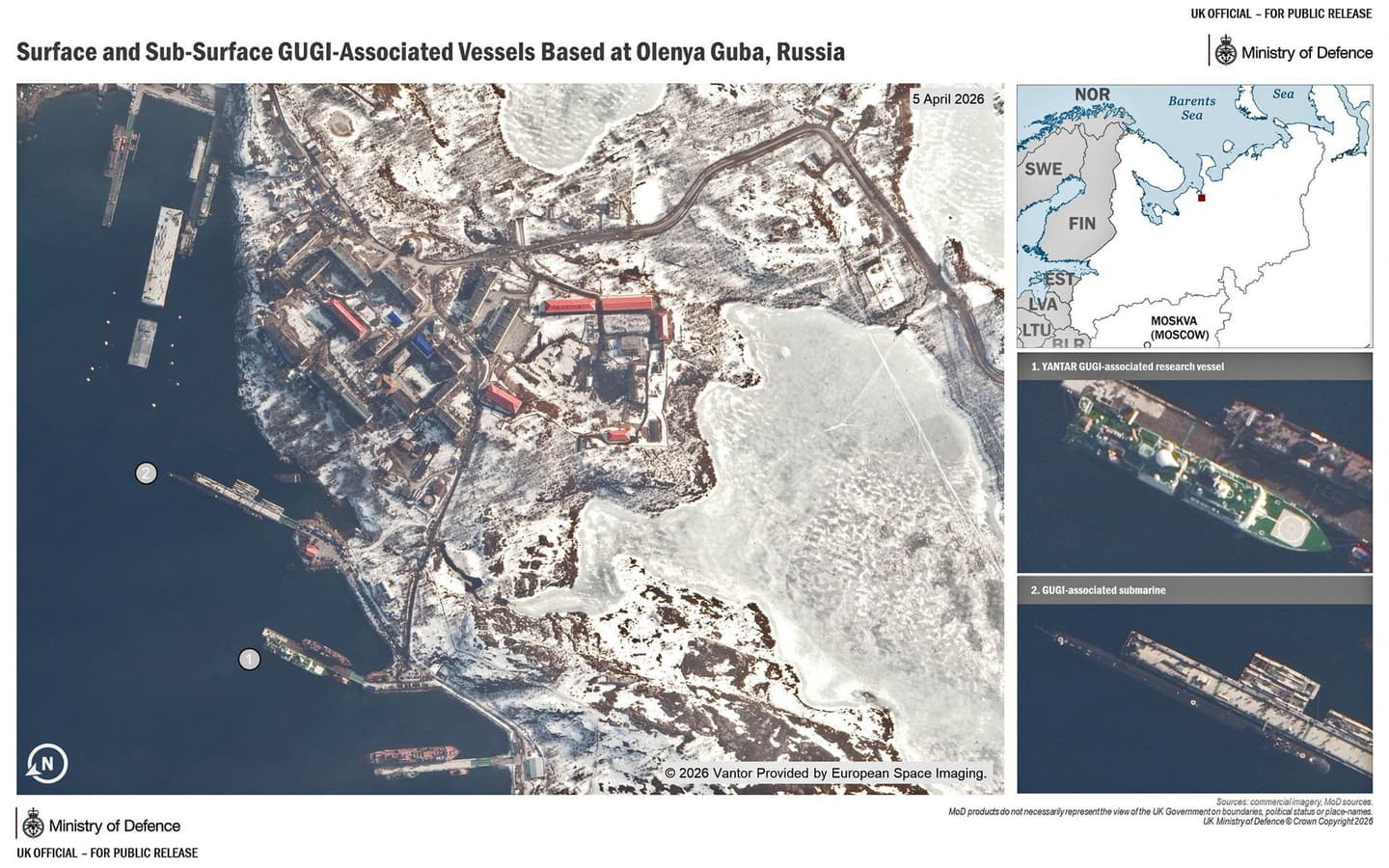
UK MOD Crown copyright/Reuters



What Happened
What Happened
Where Sources Agree
- arrows_inputArctic Sabotage Plot Foiled: All outlets cite the tracking and confrontation of Russian GUGI vessels training to deploy a secret weapon designed to sever undersea cables 2,700 meters deep, according to Western officials.
- arrows_inputArctic Infrastructure Expansion: Reports broadly predict strengthened reliability for critical Arctic subsea infrastructure as Norway prepares to complete a new fiber-optic cable connecting Svalbard to the mainland by 2028, according to infrastructure analysis.
- arrows_inputKremlin Sabotage Escalation Concerns: Sources align on the August visit of CIA Director John Ratcliffe to Moscow to warn against escalating sabotage, noting that intelligence officials are increasingly concerned Russia may test NATO’s Article 5 mutual defense pact.
Where Sources Disagree
- arrows_outputRatcliffe Visit Scope: While reports confirm CIA Director Ratcliffe visited Moscow to warn against escalating sabotage in Europe, outlets differ on whether the specific subsea operations were raised during his discussions, with some noting it could not be determined.
Timeline
September 10, 2026
Reuters reveals operation details: On September 10, 2026 Reuters reported new details: the clandestine GUGI operation used deep‑sea submersibles to rehearse a technology designed to sever cables without leaving fingerprints, and the exercise appeared aimed at cables linking SvalSat — two 1,400 km fiber lines lying as deep as 2,700 metres — which carry vast satellite and data traffic. British and Norwegian officials also took their findings to Moscow to signal awareness of the technology.
August 1, 2026
Allied responses and follow‑up: Following the discovery and reporting, Western responses included diplomatic warnings (a CIA director visit to Moscow in August 2026), sanctions on GUGI, deployments to Jan Mayen in August to demonstrate NATO resolve, commitments to bolster maritime surveillance and additional UK spending on anti‑submarine assets; Norway also plans a new Svalbard–Jan Mayen fiber link by 2028.
April 9, 2026
April disclosure of covert operation: In April 2026 Britain and Norway publicly disclosed they had unearthed a covert Russian submarine operation in Arctic waters that had earlier been kept partly secret; officials had earlier referenced attempted covert activities around April 9. The disclosure noted the involvement of Russia’s Main Directorate of Deep‑Sea Research (GUGI).
Summaries by Ground AI
Sources
See All 132Most Written About
The stories getting the most coverage from the last 24 hours






Timeline
September 10, 2026
Reuters reveals operation details: On September 10, 2026 Reuters reported new details: the clandestine GUGI operation used deep‑sea submersibles to rehearse a technology designed to sever cables without leaving fingerprints, and the exercise appeared aimed at cables linking SvalSat — two 1,400 km fiber lines lying as deep as 2,700 metres — which carry vast satellite and data traffic. British and Norwegian officials also took their findings to Moscow to signal awareness of the technology.
August 1, 2026
Allied responses and follow‑up: Following the discovery and reporting, Western responses included diplomatic warnings (a CIA director visit to Moscow in August 2026), sanctions on GUGI, deployments to Jan Mayen in August to demonstrate NATO resolve, commitments to bolster maritime surveillance and additional UK spending on anti‑submarine assets; Norway also plans a new Svalbard–Jan Mayen fiber link by 2028.
April 9, 2026
April disclosure of covert operation: In April 2026 Britain and Norway publicly disclosed they had unearthed a covert Russian submarine operation in Arctic waters that had earlier been kept partly secret; officials had earlier referenced attempted covert activities around April 9. The disclosure noted the involvement of Russia’s Main Directorate of Deep‑Sea Research (GUGI).


