Judge Temporarily Blocks Federal Communications Commission Review of Disney's Network Licenses
United States
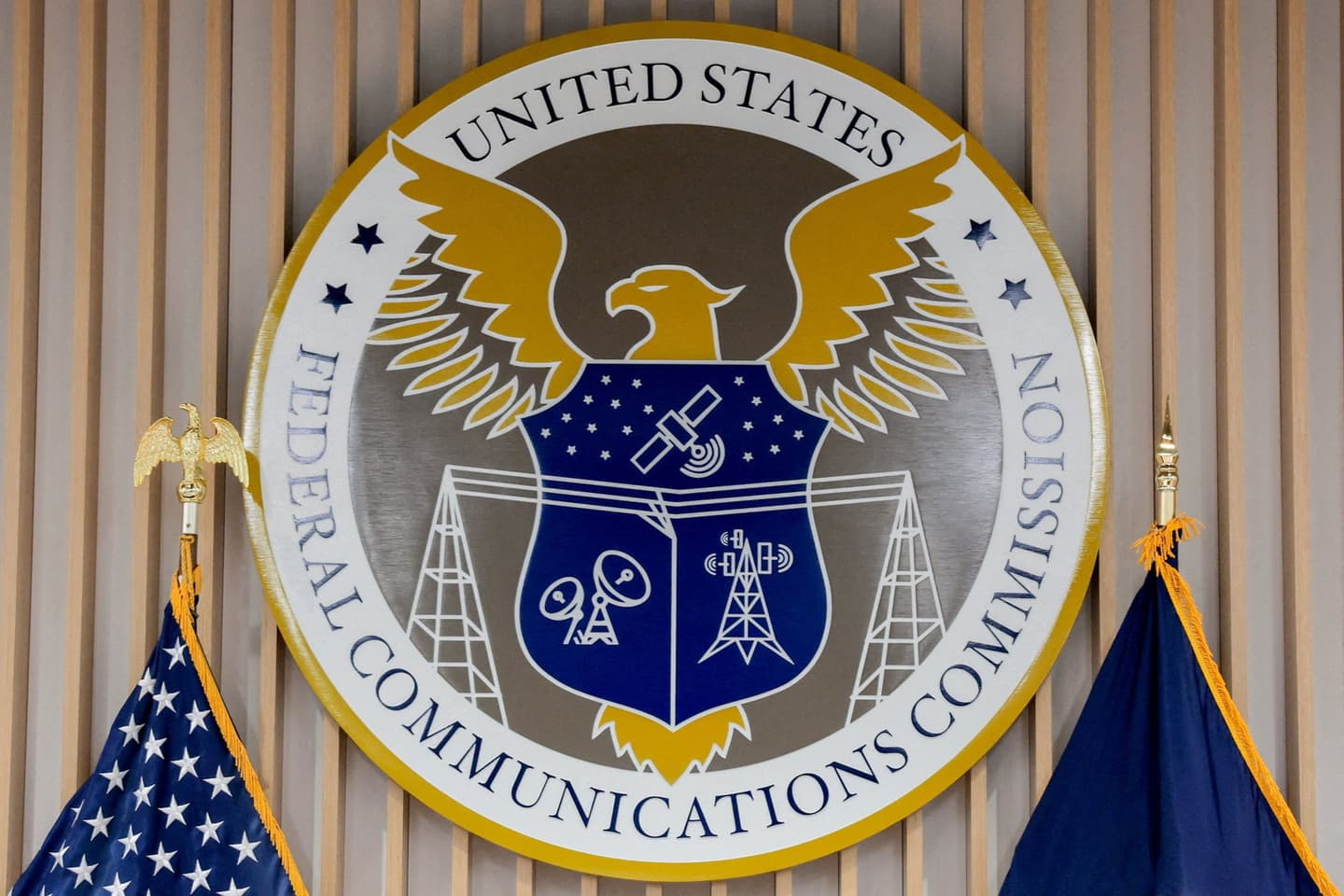
Kylie Cooper/Reuters
Source Analysis




What Happened
Key Implications
What Happened
Key Implications
Where Left Sources Focus
- Retaliation and Existential Threat: Left-leaning coverage emphasizes the judge's characterization of FCC actions as an existential threat to broadcast independence. Sources detail how license loss acts as a "death penalty," citing the judge's conclusion that the agency likely violated ABC's First Amendment rights through retaliatory regulatory pressure.
- Trump's Rhetoric as Marching Orders: Left sources highlight the court's finding that FCC Chairman Brendan Carr viewed President Trump's rhetoric as "marching orders." Coverage points to the timing of license investigations, which followed Trump's social media attacks, as powerful evidence of the agency's retaliatory motive.
Where Center Sources Focus
- Procedural and Jurisdictional Arguments: Center sources report on the legal arguments regarding jurisdiction and the FCC's stated justification for investigations. Coverage notes the agency's claim that license reviews were tied to document requests, while highlighting the judge's rejection of these procedural defenses as pretextual.
- Government Ad Litigation: Center media also report on a parallel lawsuit concerning taxpayer-funded government ads. Reports detail the judge's refusal to extend a ban on the advertisements, which Democrats had challenged as partisan propaganda meant to promote President Trump's campaign message before the midterms.
What's Largely Absent from Each Side
- Left sources rarely mention: Left sources rarely mention the separate legal battle regarding taxpayer-funded pro-Trump advertisements and the judge's ruling on that matter, a conflict occurring in the same court that center outlets feature prominently in their coverage.
- Center sources rarely mention: Center coverage largely omits specific emotional and rhetorical courtroom details, such as the network lawyer's "guillotine" comparison. Left sources include these high-stakes descriptions, which capture the intense tone of the defense during the proceedings.
Rare Agreement
- Judicial Preliminary Injunction: Sources across the spectrum agree that Judge AliKhan issued a preliminary injunction blocking the FCC's license review, citing evidence of potential retaliation and utilizing President Trump's past rhetoric as relevant context for the agency's actions.
Timeline
November 25, 2026
Judge blocks FCC review: On November 25, 2026 U.S. District Judge Loren AliKhan issued a temporary restraining order and preliminary injunction barring the FCC from continuing the early license review, finding Disney and ABC were likely to succeed on their retaliation claim and that the agency’s actions risk chilling protected speech. The order enjoined the FCC from taking further action related to the early renewal proceedings, including issuing a Hearing Designation Order.
October 6, 2026
Disney files suit; Oct. 6 hearing: Disney and ABC sued the FCC in August 2026 challenging the unprecedented early-review order as retaliatory and an existential First Amendment threat; the dispute proceeded to a hearing on October 6, 2026 where Disney lawyers argued the FCC sought to censor ABC. The complaint pointed to FCC probes of The View and other agency actions tied to President Trump’s repeated attacks on the network.
April 28, 2026
FCC orders early license reviews: On April 28, 2026 the FCC directed Disney’s eight owned-and-operated ABC stations to file their broadcast license renewals ahead of schedule, citing investigations tied to the company’s diversity, equity and inclusion practices even though the renewals were not due until 2028. The order required filings within 30 days for stations including Los Angeles, New York, San Francisco, Chicago, Philadelphia, Houston, Raleigh-Durham and Fresno.
Summary by Ground AI
Sources
See All 188A varied selection of sources chosen by Ground to reflect the diversity of this story’s coverage.
Most Written About
The stories getting the most coverage from the last 24 hours





Source Analysis
Timeline
November 25, 2026
Judge blocks FCC review: On November 25, 2026 U.S. District Judge Loren AliKhan issued a temporary restraining order and preliminary injunction barring the FCC from continuing the early license review, finding Disney and ABC were likely to succeed on their retaliation claim and that the agency’s actions risk chilling protected speech. The order enjoined the FCC from taking further action related to the early renewal proceedings, including issuing a Hearing Designation Order.
October 6, 2026
Disney files suit; Oct. 6 hearing: Disney and ABC sued the FCC in August 2026 challenging the unprecedented early-review order as retaliatory and an existential First Amendment threat; the dispute proceeded to a hearing on October 6, 2026 where Disney lawyers argued the FCC sought to censor ABC. The complaint pointed to FCC probes of The View and other agency actions tied to President Trump’s repeated attacks on the network.
April 28, 2026
FCC orders early license reviews: On April 28, 2026 the FCC directed Disney’s eight owned-and-operated ABC stations to file their broadcast license renewals ahead of schedule, citing investigations tied to the company’s diversity, equity and inclusion practices even though the renewals were not due until 2028. The order required filings within 30 days for stations including Los Angeles, New York, San Francisco, Chicago, Philadelphia, Houston, Raleigh-Durham and Fresno.


