Meloni Plans School Ban on Burqas and Cap on Foreign Students
Italy
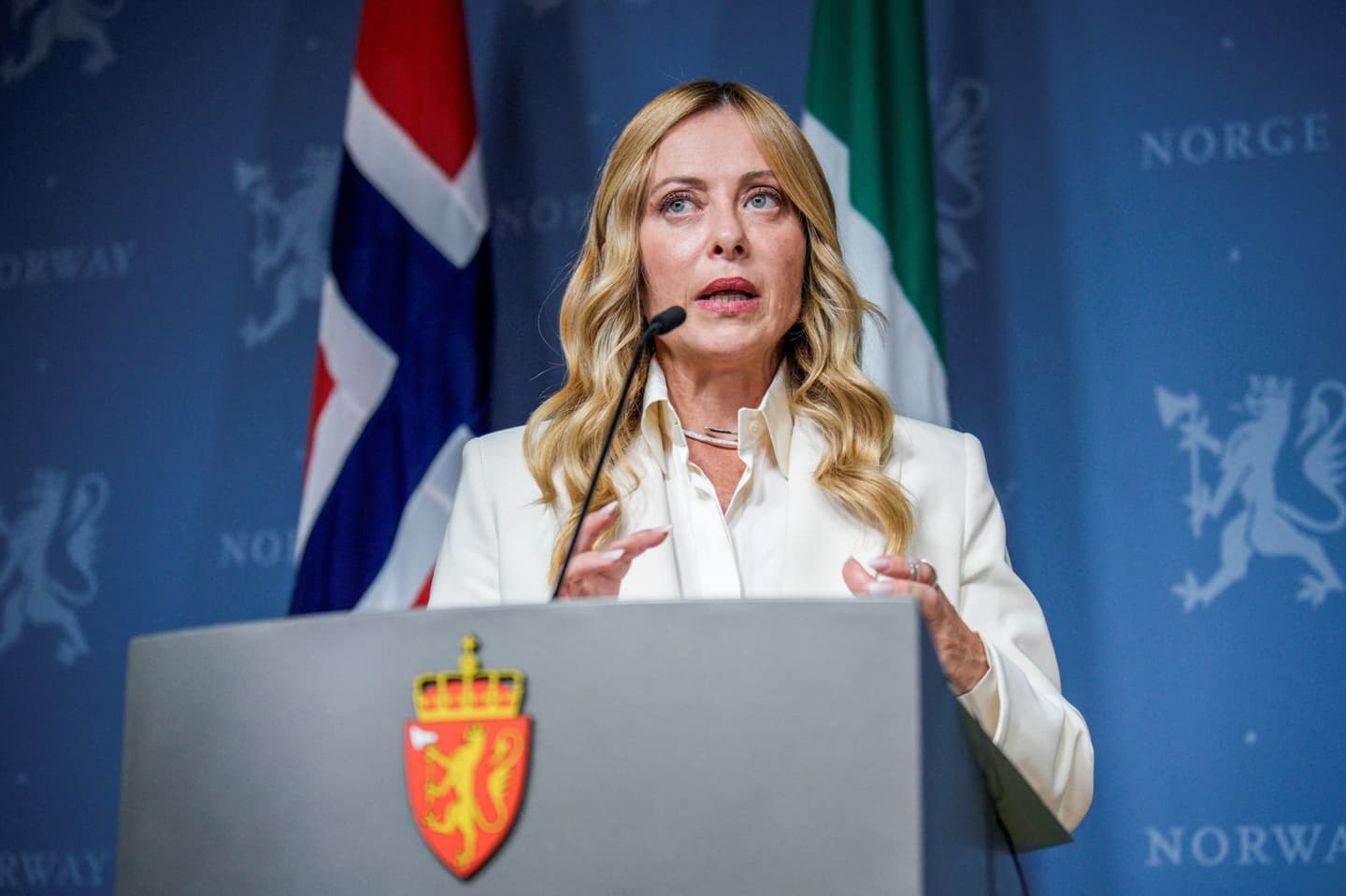
Stian Lysberg Solum/Reuters

What Happened
What Happened
Where Sources Agree
- arrows_inputProposed Education Reforms: All outlets cite the Prime Minister's proposal to "legally establish a maximum number of foreign students per class" and ban face coverings in schools, according to official reports from the Prime Minister's announcement.
- arrows_inputMandatory Parental Language Lessons: Sources verify that the Italian government plans to mandate Italian language lessons for parents of foreign students facing serious integration difficulties, according to government policy proposals.
- arrows_inputLegislative Approval Timeline: Several sources align on the legislative path for the proposed school measures, which require initial government cabinet review followed by parliamentary approval within 60 days, according to legislative procedure.
Where Sources Disagree
- arrows_outputPolitical Motivation Behind School Measures: Prime Minister Meloni frames the proposed school measures—including banning face coverings and capping foreign student numbers—as essential steps to foster integration and preserve Italian cultural identity. However, critics and opposition figures argue the policy is primarily political maneuvering designed to boost popularity and secure right-wing support ahead of upcoming elections.
- arrows_outputForeign Student Cap Status: Prime Minister Meloni’s government plans to introduce new legislation to legally cap the number of foreign students in classrooms; however, observers note that a 30 percent limit already exists under a 2010 ministerial circular, though it has remained largely unenforced due to demographic realities.
Timeline
September 25, 2026
Cabinet and parliamentary timetable: Meloni said the package will be submitted to Cabinet and, if approved by government, would require parliamentary approval within 60 days to become law; reports said the text could reach the Council of Ministers as early as September 25, 2026. Some outlets described the government might adopt a decree-law at an upcoming meeting before parliamentary consideration.
September 20, 2026
Criticism and population figures: Reporting cited about 930,000 non-Italian students (11.6% of enrolment) and noted critics — school principals, opposition spokespeople and others — warned limits would be hard to implement, pointing out many pupils described as foreign were born and raised in Italy. The measures drew criticism as political messaging and raised practical concerns in areas where immigrant families form large shares of the population.
September 20, 2026
Meloni announces school measures: On Sunday, September 20, 2026, Prime Minister Giorgia Meloni told a Brothers of Italy youth event she would soon present measures to Cabinet to cap the number of foreign students per classroom, ban burqas and niqabs in schools, and require Italian lessons for parents of students facing serious integration difficulties. She framed the package as promoting integration and national identity.
Perspectives and Debates
Are Meloni's school measures primarily integration policy or political identity posturing?
Summary by Ground AI
Sources
See All 713A varied selection of sources chosen by Ground to reflect the diversity of this story’s coverage.
Most Written About
The stories getting the most coverage from the last 24 hours






Timeline
September 25, 2026
Cabinet and parliamentary timetable: Meloni said the package will be submitted to Cabinet and, if approved by government, would require parliamentary approval within 60 days to become law; reports said the text could reach the Council of Ministers as early as September 25, 2026. Some outlets described the government might adopt a decree-law at an upcoming meeting before parliamentary consideration.
September 20, 2026
Criticism and population figures: Reporting cited about 930,000 non-Italian students (11.6% of enrolment) and noted critics — school principals, opposition spokespeople and others — warned limits would be hard to implement, pointing out many pupils described as foreign were born and raised in Italy. The measures drew criticism as political messaging and raised practical concerns in areas where immigrant families form large shares of the population.
September 20, 2026
Meloni announces school measures: On Sunday, September 20, 2026, Prime Minister Giorgia Meloni told a Brothers of Italy youth event she would soon present measures to Cabinet to cap the number of foreign students per classroom, ban burqas and niqabs in schools, and require Italian lessons for parents of students facing serious integration difficulties. She framed the package as promoting integration and national identity.


