SNP, Plaid and Sinn Féin Sign Cardiff Self-Determination Declaration
Cardiff, UK
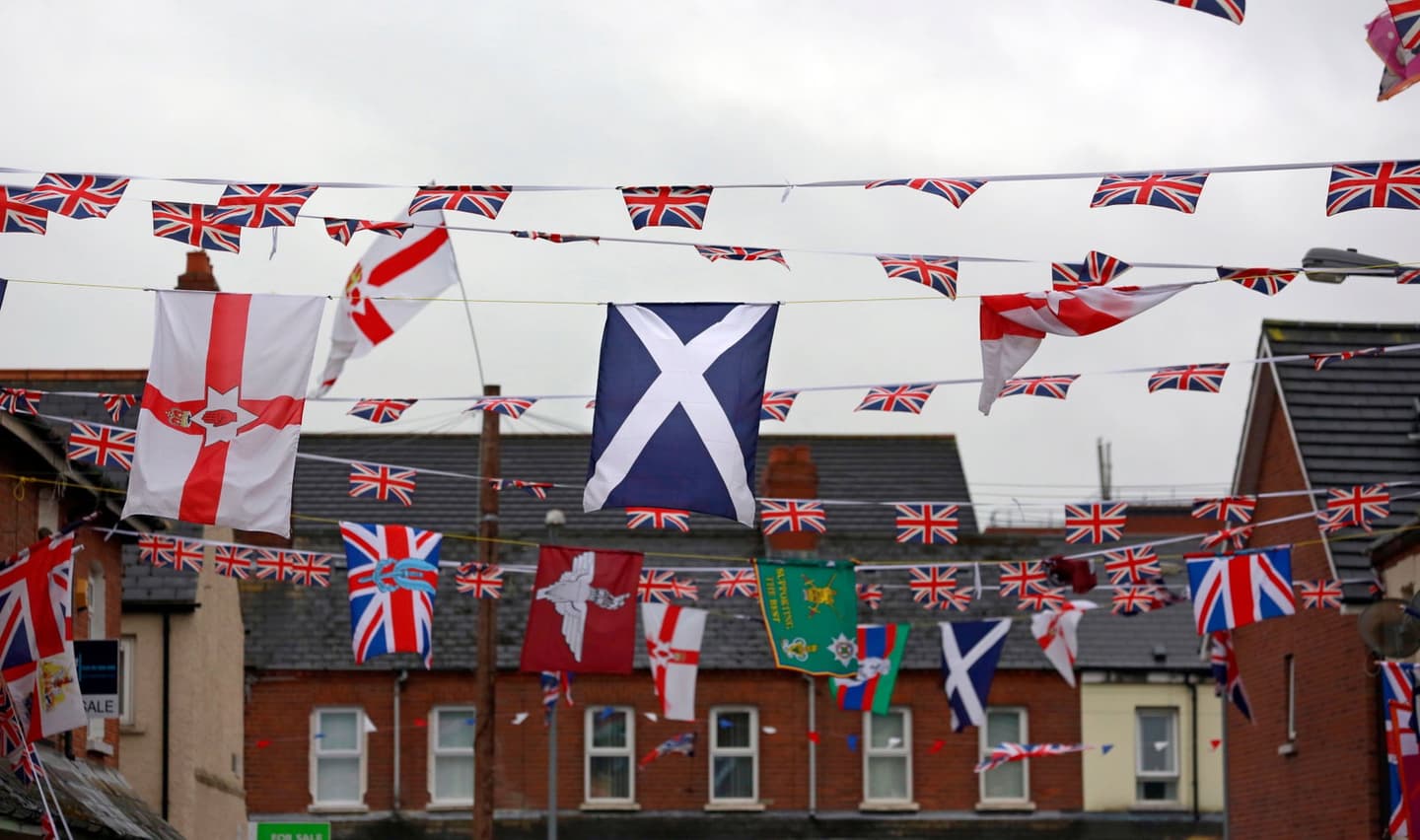
Cathal McNaughton/Reuters



What Happened
Key Implications
What Happened
Key Implications
Where Sources Disagree
- arrows_outputCardiff Summit Objectives: Some outlets frame the Cardiff summit as a coordinated effort by nationalist leaders to dismantle the United Kingdom, while others emphasize the participants' focus on practical cooperation regarding shared interests like the economy and energy policy.
- arrows_outputReferendum Stance Interpretation: Nationalist leaders interpret Prime Minister Burnham’s remarks as potentially opening a path to a Scottish independence referendum if clear consensus exists. However, Burnham subsequently clarified that a referendum remains "off limits," stressing that his administration is focused on economic and cost-of-living priorities rather than constitutional debates.
Timeline
September 14, 2026
Polling and historical context: Coverage placed the summit against recent polling (around 47–48% support in some Scottish polls and varied figures for Wales and Northern Ireland) and recalled the 2014 Scottish referendum where 55% voted to remain; analysts noted legal and practical constraints requiring Westminster to grant referendum powers. The reporting stressed public opinion remained mixed even as political leadership across the three nations shifted.
September 14, 2026
Leaders sign self-determination declaration: In Cardiff the SNP, Plaid Cymru and Sinn Féin leaders signed an agreement calling for the "right to self-determination" and urged the UK government to prepare, plan and facilitate constitutional change in each jurisdiction. Participants described the pact as a coordinated demand for referendum rights and closer cooperation on economy, energy and European ties.
September 14, 2026
Stormont authority contested: Northern Ireland DUP figures and the Stormont deputy first minister publicly challenged Michelle O'Neill's authority to sign or represent the First Minister role at the summit, saying she had no mandate to sign on behalf of the Executive. Critics argued she was "weaponising" the First Minister role ahead of the Cardiff talks.
Perspectives and Debates
Does the Cardiff summit represent genuine constitutional momentum or a symbolic PR exercise?
Summary by Ground AI
Sources
See All 570A varied selection of sources chosen by Ground to reflect the diversity of this story’s coverage.
Most Written About
The stories getting the most coverage from the last 24 hours




Timeline
September 14, 2026
Polling and historical context: Coverage placed the summit against recent polling (around 47–48% support in some Scottish polls and varied figures for Wales and Northern Ireland) and recalled the 2014 Scottish referendum where 55% voted to remain; analysts noted legal and practical constraints requiring Westminster to grant referendum powers. The reporting stressed public opinion remained mixed even as political leadership across the three nations shifted.
September 14, 2026
Leaders sign self-determination declaration: In Cardiff the SNP, Plaid Cymru and Sinn Féin leaders signed an agreement calling for the "right to self-determination" and urged the UK government to prepare, plan and facilitate constitutional change in each jurisdiction. Participants described the pact as a coordinated demand for referendum rights and closer cooperation on economy, energy and European ties.
September 14, 2026
Stormont authority contested: Northern Ireland DUP figures and the Stormont deputy first minister publicly challenged Michelle O'Neill's authority to sign or represent the First Minister role at the summit, saying she had no mandate to sign on behalf of the Executive. Critics argued she was "weaponising" the First Minister role ahead of the Cardiff talks.


