Pezeshkian Denies Resignation Report, Says Iran Will Not Expand War
Iran
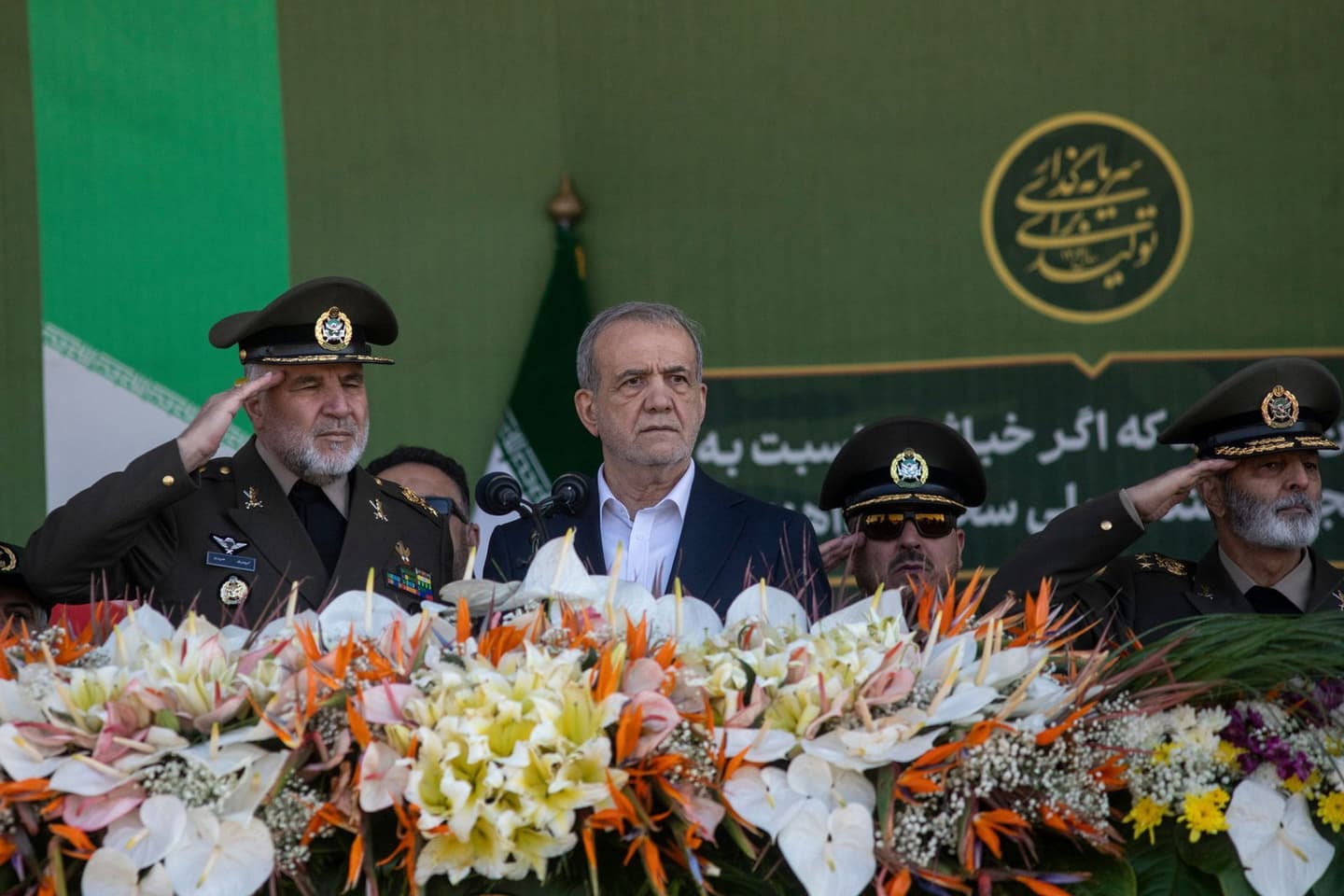
Majid Saeedi/Getty Images/Getty
Source Analysis




What Happened
What Happened
Where Right Sources Focus
- IRGC Strategic Power Consolidation: Right and center sources analyze the internal power struggle, emphasizing that IRGC hardliners are systematically marginalizing the civilian government. Analysts cite personnel changes, such as the replacement of security figures like Zolghadr, as evidence that hardliners are seizing control of policy decisions, particularly regarding negotiations with Washington, according to security experts.
- Resignation Ultimatum Political Strategy: Reports detail an alleged ultimatum from Supreme Leader Mojtaba Khamenei warning President Pezeshkian that future resignation threats would be accepted. Outlets frame these claims as a political maneuver used by factions to undermine the president's authority or pressure his administration, citing statements from clerical figures and media reports.
Where Left Sources Focus
- Supreme Leader Public Absence: Left-leaning coverage highlights the lack of public visibility for Supreme Leader Mojtaba Khamenei, noting the absence of authentic audio or video since his succession. Reporting focuses on widespread speculation regarding his health, including unverified accounts of facial injuries and speech difficulties, citing medical speculation and international media reports.
- Restrictive Meeting Circumstances: Sources describe the bizarre and restrictive circumstances of the only meeting between President Pezeshkian and the Supreme Leader, reportedly held in a tinted car. Coverage emphasizes the President's inability to see or identify the leader, framing the encounter as a humiliating and unverified interaction, according to Iran International.
What's Largely Absent from Each Side
- Left sources rarely mention: Left sources largely omit the broader systemic analysis of the IRGC's internal power consolidation and specific personnel changes within the security council. Right and center outlets feature this prominently, arguing these shifts indicate a strategic takeover of policy-making from the civilian government, citing security analysts and IRGC research directors.
- Right sources rarely mention: Right-leaning sources rarely mention the specific, unverified reports regarding Mojtaba Khamenei’s physical health, including claims of facial injuries or prosthetic needs. Left outlets feature these details to explain the "unseen" narrative, citing conflicting reports from Iranian media and international observers about his potential incapacity.
Rare Agreement
- Resignation Dispute Reality: Despite divergent coverage patterns, sources across the spectrum confirm that President Pezeshkian has faced repeated disputes regarding his position, with various reports of resignation threats circulating, even as Iranian officials formally deny these plans.
Timeline
August 04, 2026
Presidency Denies Resignation Claims: Iran's presidency publicly rejected claims Pezeshkian had tried to resign multiple times, and Pezeshkian himself, in a televised interview, insisted he would remain in office and had no plans to voluntarily leave. Officials characterised the allegations as baseless while the political backlash and factional disputes continued.
July 2026
Hardliners Consolidate Authority: Reporting and expert analysis indicate the IRGC and hardline figures have grown more influential, with civilian leaders' differences with the IRGC diminishing and parliamentarians pushing a tougher line, including threats of impeachment against negotiators. Observers warned this shift narrows the civilian government's options in dealings with Washington and over control of the Strait of Hormuz.
June 2026
Israeli Broadcaster Alleges Ultimatum: Channel 14 published claims that Supreme Leader Mojtaba Khamenei warned Pezeshkian his next resignation would be accepted and that the leader had granted IRGC commander Ahmad Vahidi increased authority over U.S.-related decisions. The report triggered political controversy and raised alarms about hardliner influence over Tehran's strategic choices.
Summaries by Ground AI
Sources
See All 107Most Written About
The stories getting the most coverage from the last 24 hours




Source Analysis
Timeline
August 04, 2026
Presidency Denies Resignation Claims: Iran's presidency publicly rejected claims Pezeshkian had tried to resign multiple times, and Pezeshkian himself, in a televised interview, insisted he would remain in office and had no plans to voluntarily leave. Officials characterised the allegations as baseless while the political backlash and factional disputes continued.
July 2026
Hardliners Consolidate Authority: Reporting and expert analysis indicate the IRGC and hardline figures have grown more influential, with civilian leaders' differences with the IRGC diminishing and parliamentarians pushing a tougher line, including threats of impeachment against negotiators. Observers warned this shift narrows the civilian government's options in dealings with Washington and over control of the Strait of Hormuz.
June 2026
Israeli Broadcaster Alleges Ultimatum: Channel 14 published claims that Supreme Leader Mojtaba Khamenei warned Pezeshkian his next resignation would be accepted and that the leader had granted IRGC commander Ahmad Vahidi increased authority over U.S.-related decisions. The report triggered political controversy and raised alarms about hardliner influence over Tehran's strategic choices.


