IOM Warns Sudan Aid Pipeline Could Collapse Without Funding
Sudan
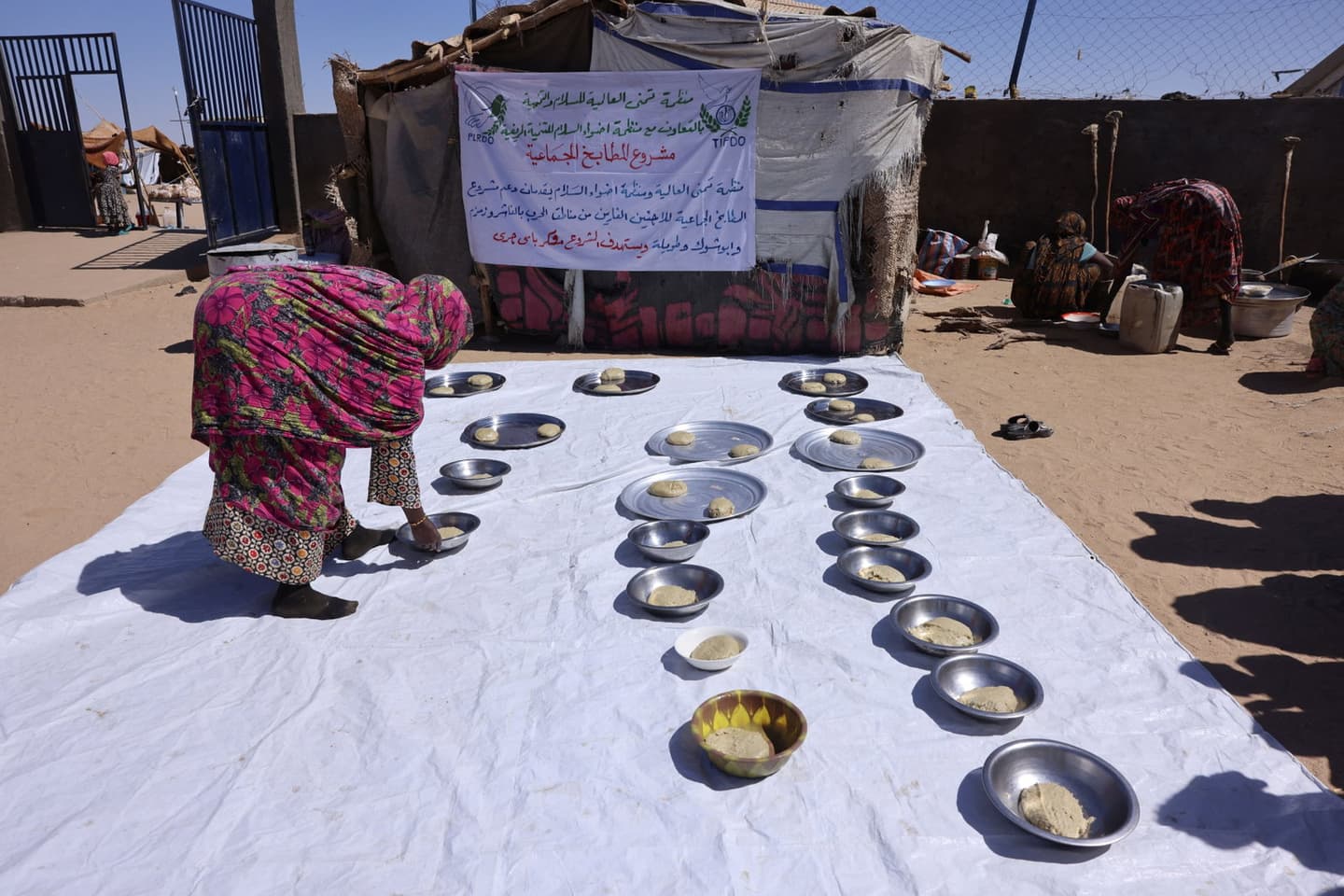
Amr Abdallah Dalsh/Reuters




What Happened
What Happened
Where Sources Agree
- arrows_inputHumanitarian Pipeline Collapse Warning: Coverage broadly notes that the IOM-managed Common Humanitarian Pipeline faces potential collapse within weeks without urgent funding, which would deplete essential shelter and sanitation supplies by the end of September, according to the UN migration agency.
- arrows_inputIOM Funding Shortfall: Coverage documents indicate that the International Organization for Migration requires $15 million to maintain its humanitarian pipeline at minimum capacity, while $42 million is needed to return to 2024 service levels, according to the agency.
- arrows_inputScale of Humanitarian Crisis: Initial reports confirm that 8.6 million people are internally displaced and 19.5 million face crisis-level food insecurity, with the ongoing civil conflict exacerbating these conditions, according to UN aid office (OCHA) data.
Where Sources Disagree
- arrows_outputField Visit Coverage: Some coverage highlights WFP Acting Director Carl Skau’s specific field observations from his recent trip to Sudan, including his visits to El Obeid and El Fasher. In contrast, other reports omit these granular details about his travel and findings while focusing on the broader warning of aid system collapse.
- arrows_outputConflict Death Toll Reporting: Some reports cite aid worker estimates that the conflict has killed more than 200,000 people; in contrast, other coverage of the humanitarian crisis omits specific death toll figures, focusing instead on displacement and funding shortages.
- arrows_outputWFP Funding Reporting: Reports vary slightly in their coverage of the World Food Programme's financial status, with some sources noting the organization is one-third funded, while others omit specific percentages when discussing the agency’s budget shortfalls.
Timeline
December 31, 2026 Upcoming
Aid scale-back risk and capacity limits: UN agencies said they may have to scale back aid in Sudan due to funding shortfalls—WFP is only about one-third funded, providing half rations in some cases, and the warehousing and operational capacity that keeps the pipeline functioning can only be sustained until December 2026 without additional funding.
September 15, 2026
IOM issues urgent funding warning: IOM warned that shelter, sanitation and emergency household items would be depleted by the end of September and that warehouses would close without new funding; it said $15 million is required to maintain the humanitarian pipeline at minimum capacity for 12 months and that the entire humanitarian system could collapse within weeks without action.
September 14, 2026
Senior officials visit Sudan: On an eight-day visit to Sudan, WFP Acting Director Carl Skau toured towns and displacement camps (El Obeid, El Fasher, Khartoum) and reported severe damage and access challenges, stressing the crisis lacks sufficient global attention.
Summaries by Ground AI
Sources
See All 33Most Written About
The stories getting the most coverage from the last 24 hours


Timeline
December 31, 2026 Upcoming
Aid scale-back risk and capacity limits: UN agencies said they may have to scale back aid in Sudan due to funding shortfalls—WFP is only about one-third funded, providing half rations in some cases, and the warehousing and operational capacity that keeps the pipeline functioning can only be sustained until December 2026 without additional funding.
September 15, 2026
IOM issues urgent funding warning: IOM warned that shelter, sanitation and emergency household items would be depleted by the end of September and that warehouses would close without new funding; it said $15 million is required to maintain the humanitarian pipeline at minimum capacity for 12 months and that the entire humanitarian system could collapse within weeks without action.
September 14, 2026
Senior officials visit Sudan: On an eight-day visit to Sudan, WFP Acting Director Carl Skau toured towns and displacement camps (El Obeid, El Fasher, Khartoum) and reported severe damage and access challenges, stressing the crisis lacks sufficient global attention.


