U.S. Army Detonates Nearly Five Tons of Lead Azide in Iowa
Iowa, US
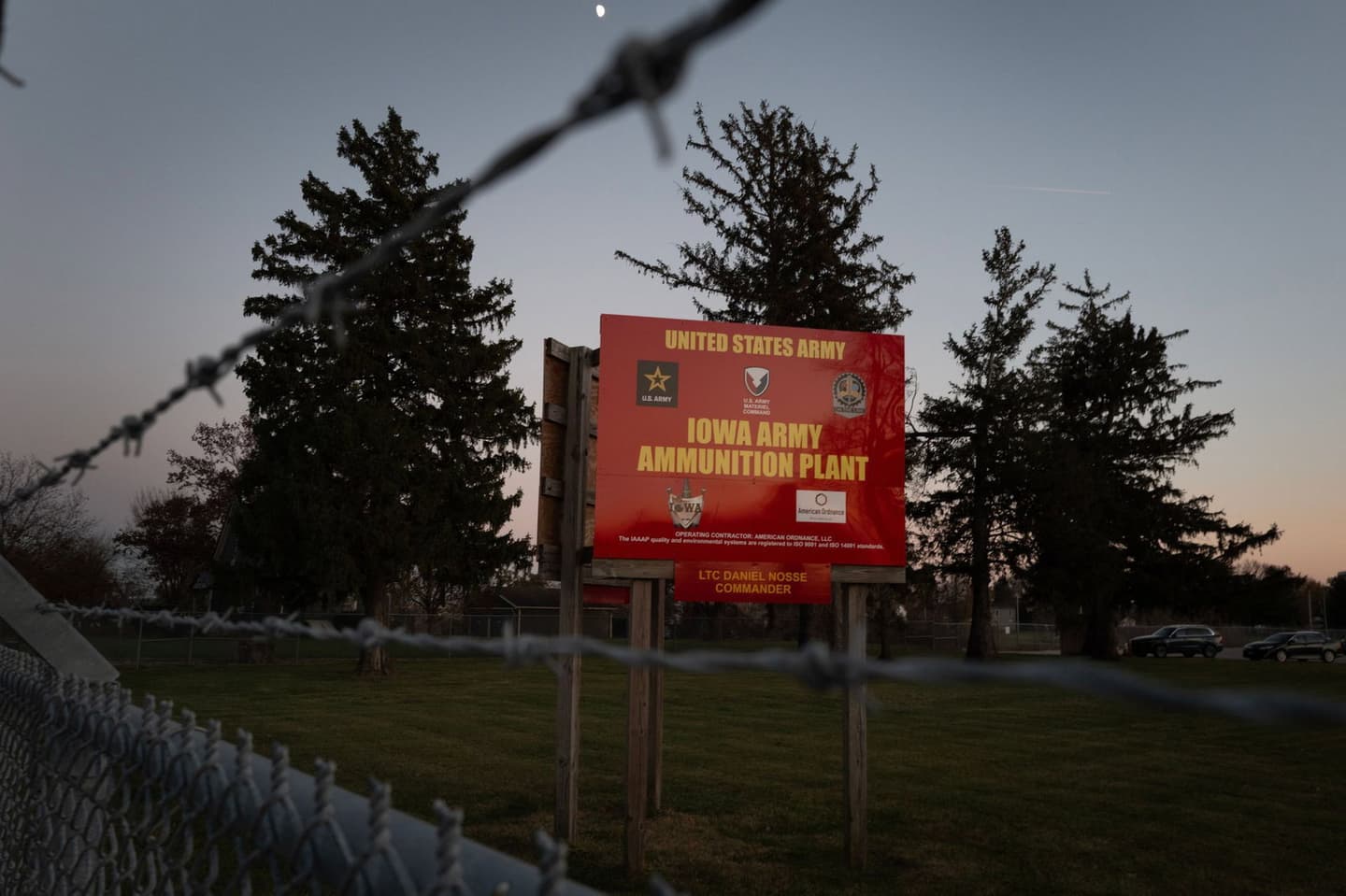
Scott Olson/Getty Images/Getty




What Happened
What Happened
Where Sources Disagree
- Detonation Impact Assessment: Federal officials report the controlled detonation of lead azide successfully contained toxic materials, citing EPA monitors showing no airborne lead; conversely, residents and experts express skepticism, pointing to observed plumes and raising concerns about potential long-term lead contamination in surrounding soil and water.
- Detonation Containment vs. Environmental Risks: Army officials emphasize that extensive protective barriers and foam successfully contained the blast, preventing significant environmental contamination. In contrast, environmental groups and residents express concern about the long-term impact of potential toxic lead dust on local health, water supplies, and agricultural land.
Timeline
November 25, 2026
Controlled detonation conducted: On Nov. 25, 2026, shortly after 9 a.m. local time the U.S. Army carried out two controlled blasts that destroyed the country's entire degraded stockpile—about 68 drums, nearly five tons—sending two short plumes into the air; EPA real-time monitors reported no airborne lead detection and officials described the operation as successful while promising continued monitoring and future investigations.
November 25, 2026
Evacuations and mitigation measures: Ahead of the blast authorities urged evacuations within a five-mile radius and sheltering-in-place up to 20 miles, issued FEMA alerts, and deployed barriers, foam, ballistic gels and more than 100,000 gallons of water to limit lead dust dispersal; the Army also released maps showing potential exposure zones.
November 20, 2026
Plans delayed, court clears way: The Army scheduled an open-air disposal that was postponed multiple times amid public backlash and a lawsuit; a federal appeals court lifted its block and cleared the EPA-authorized plan, putting the detonation back on track after legal and administrative delays.
Perspectives and Debates
Did mitigation measures contain the lead release from the detonation?
Summary by Ground AI
Sources
See All 421A varied selection of sources chosen by Ground to reflect the diversity of this story’s coverage.
Most Written About
The stories getting the most coverage from the last 24 hours





Timeline
November 25, 2026
Controlled detonation conducted: On Nov. 25, 2026, shortly after 9 a.m. local time the U.S. Army carried out two controlled blasts that destroyed the country's entire degraded stockpile—about 68 drums, nearly five tons—sending two short plumes into the air; EPA real-time monitors reported no airborne lead detection and officials described the operation as successful while promising continued monitoring and future investigations.
November 25, 2026
Evacuations and mitigation measures: Ahead of the blast authorities urged evacuations within a five-mile radius and sheltering-in-place up to 20 miles, issued FEMA alerts, and deployed barriers, foam, ballistic gels and more than 100,000 gallons of water to limit lead dust dispersal; the Army also released maps showing potential exposure zones.
November 20, 2026
Plans delayed, court clears way: The Army scheduled an open-air disposal that was postponed multiple times amid public backlash and a lawsuit; a federal appeals court lifted its block and cleared the EPA-authorized plan, putting the detonation back on track after legal and administrative delays.


