Patients Sue GLP-1 Makers Over Rare Vision Loss Claims
United States
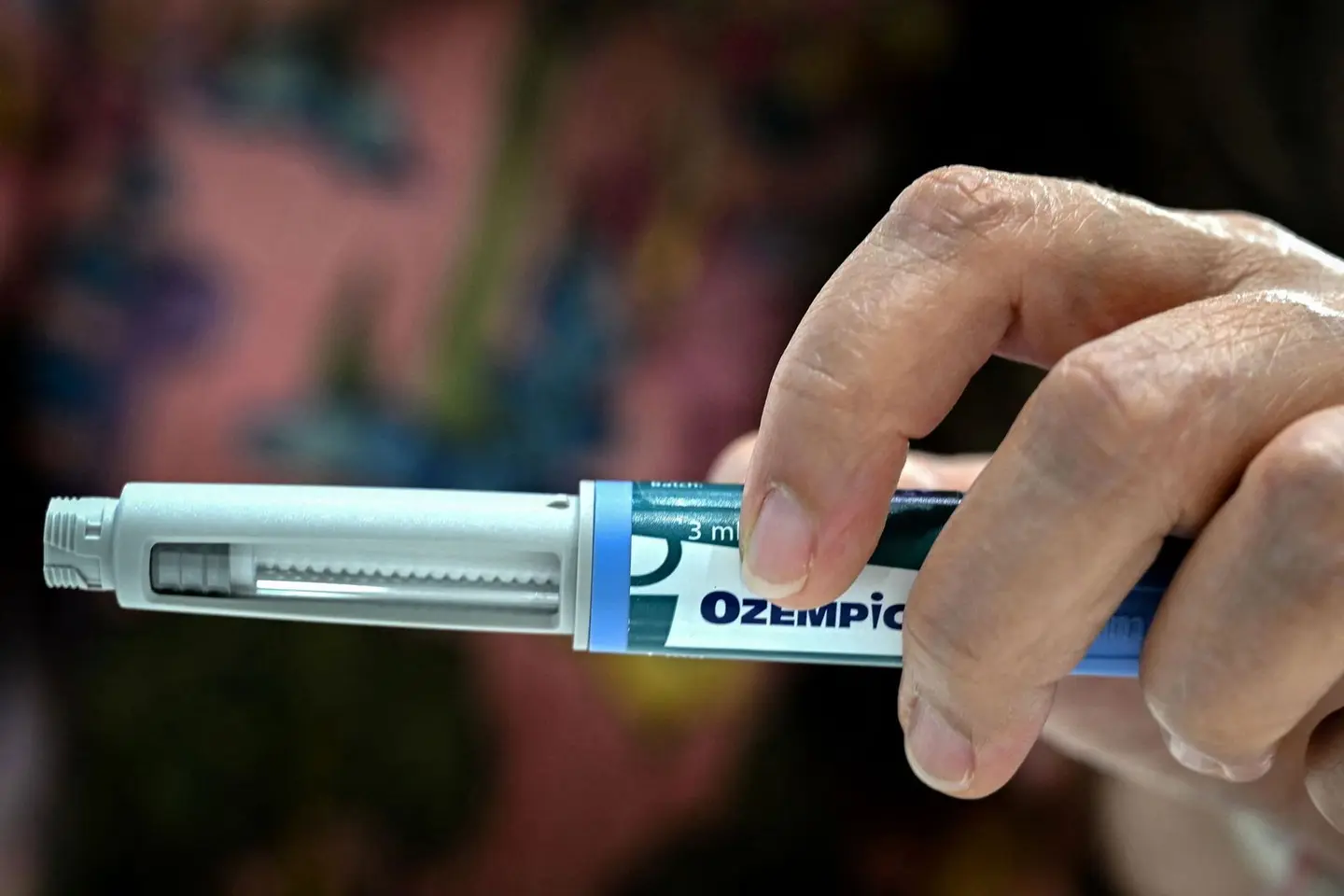
Indranil MUKHERJEE / AFP via Getty Images/Getty
Source Analysis




What Happened
What Happened
Where Sources Agree
- arrows_inputRare Vision Loss Claims: Coverage broadly details that NAION is a rare optic nerve condition characterized by sudden, typically painless vision loss that primarily affects individuals over 50, according to the American Academy of Ophthalmology and the Cleveland Clinic.
- arrows_inputUnproven Link to Vision Loss: Coverage broadly details that scientific research regarding a potential link between GLP-1 drugs and NAION remains mixed, as no study has definitively proven causation, according to academic studies and regulatory reviews.
Where Sources Disagree
- arrows_outputGLP-1 and Vision Loss Link: Some research suggests a potential increased risk of the rare eye condition NAION among GLP-1 users, fueling ongoing lawsuits. However, other studies and drugmakers maintain there is no proven causal relationship, highlighting that the condition remains rare and often associated with pre-existing risk factors like diabetes.
- arrows_outputRegulatory Warning Divergence: International regulators, including those in the European Union and United Kingdom, have updated product labels to include warnings about NAION, a rare vision loss condition. In contrast, U.S. regulators have not added such warnings, stating they are still reviewing available data on the potential link.
Timeline
September 22, 2026
Court Coordination and Current Status: On April 22, 2026 cases were centralized to Bergen County and by early September 2026 panels reported hundreds of pending actions (216 listed as of Sept. 1); as of September 22, 2026 hundreds of consumers are suing, companies deny liability, and federal regulators continue monitoring safety signals. The litigation and scientific review remain active and unresolved.
February 1, 2026
Regulators Continue Reviewing Evidence: Britain's MHRA updated semaglutide product information in February 2026 and regulators including the EMA and other agencies continued reviewing the potential safety signal, advising discontinuation if NAION is confirmed while reviews remain ongoing. Post‑marketing monitoring efforts by regulators and the FDA persist.
December 15, 2025
Lawsuits and MDL Formation: Beginning in 2025 dozens of patients sued GLP-1 makers (more than 90 cases in New Jersey alone), and on December 15, 2025 the US Judicial Panel on Multidistrict Litigation transferred vision-loss suits into a single MDL proceeding. Plaintiffs allege manufacturers failed to warn about NAION; defendants have disputed the claims.
Summary by Ground AI
Sources
See All 124A varied selection of sources chosen by Ground to reflect the diversity of this story’s coverage.
Most Written About
The stories getting the most coverage from the last 24 hours





Source Analysis
Timeline
September 22, 2026
Court Coordination and Current Status: On April 22, 2026 cases were centralized to Bergen County and by early September 2026 panels reported hundreds of pending actions (216 listed as of Sept. 1); as of September 22, 2026 hundreds of consumers are suing, companies deny liability, and federal regulators continue monitoring safety signals. The litigation and scientific review remain active and unresolved.
February 1, 2026
Regulators Continue Reviewing Evidence: Britain's MHRA updated semaglutide product information in February 2026 and regulators including the EMA and other agencies continued reviewing the potential safety signal, advising discontinuation if NAION is confirmed while reviews remain ongoing. Post‑marketing monitoring efforts by regulators and the FDA persist.
December 15, 2025
Lawsuits and MDL Formation: Beginning in 2025 dozens of patients sued GLP-1 makers (more than 90 cases in New Jersey alone), and on December 15, 2025 the US Judicial Panel on Multidistrict Litigation transferred vision-loss suits into a single MDL proceeding. Plaintiffs allege manufacturers failed to warn about NAION; defendants have disputed the claims.


