DEA Issues First Federal Registrations to 900+ Medical Cannabis Dispensaries
United States
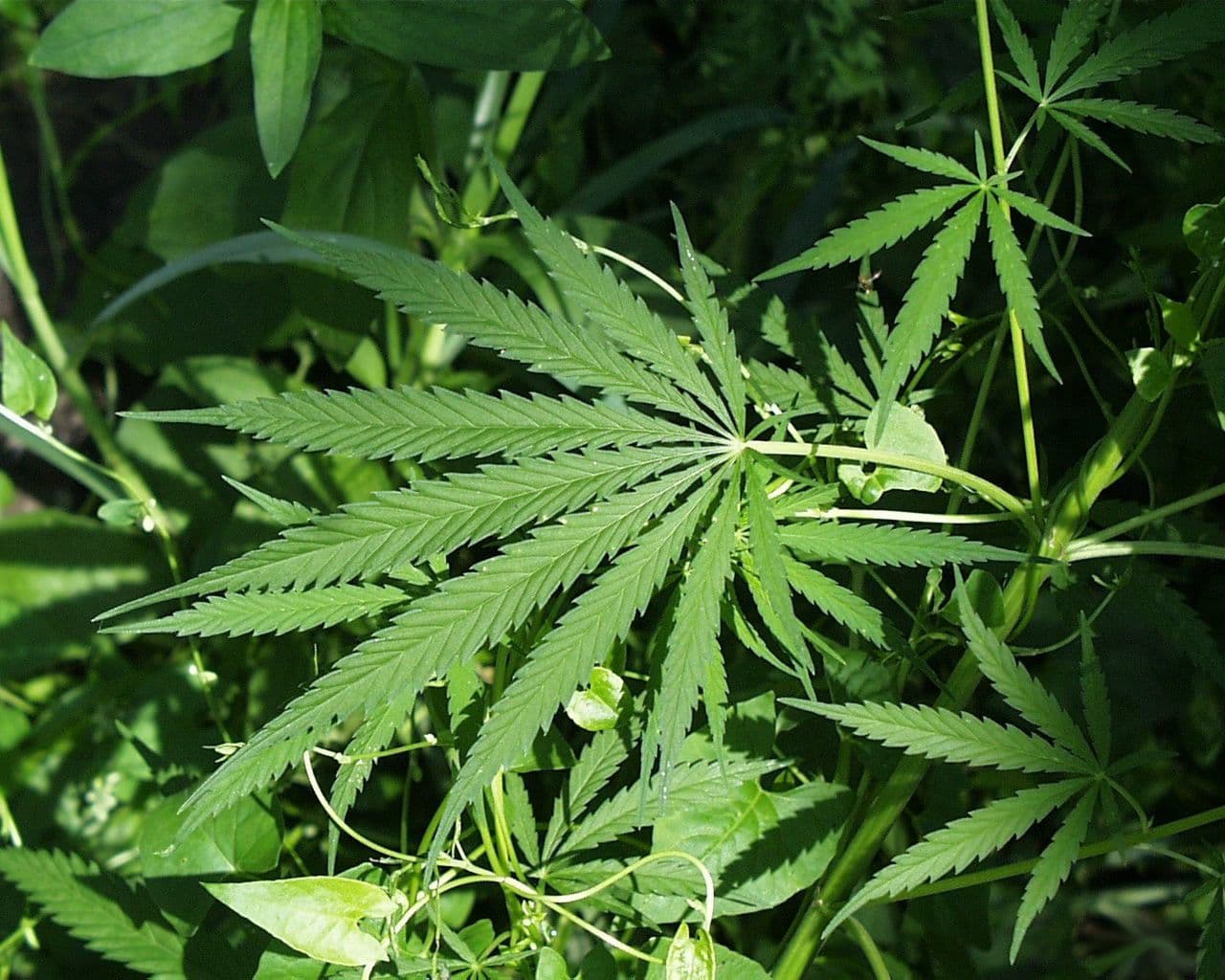
Wikipedia File Photo
Source Analysis




What Happened
What Happened
Where Sources Agree
- arrows_inputInitial Federal Registrations Issued: Most outlets confirm the DEA issued its first federal registrations to over 900 state-licensed medical cannabis dispensaries across seven states, according to a Justice Department news release.
- arrows_inputFederal Operational Compliance Standards: Most outlets report that participating dispensaries must adhere to strict federal operational standards, which include mandatory pre-registration investigations, facility inspections, and the establishment of traceable, compliant supply chains, according to DEA requirements.
Where Sources Disagree
- arrows_outputDual-Purpose License Eligibility: The DEA asserts that state licenses permitting both medical and non-medical marijuana sales violate federal law, thereby disqualifying these businesses from federal registration; conversely, state officials maintain that their medical and adult-use programs remain lawful under state statutes, asserting that local authorization operates independently of federal requirements.
- arrows_outputFederal Cannabis Registration Framing: Advocacy groups and some outlets characterize the DEA's registrations as a 'tremendous victory' for patient access and program legitimization. Conversely, other reports emphasize the announcement as a tightly controlled medical framework, cautioning that it does not constitute blanket legalization or signal an end to federal oversight.
Timeline
November 29, 2026 Upcoming
Guardrails and Compliance Deadlines: The rollout includes pre-registration investigations, security, recordkeeping and inventory controls, ongoing federal inspections for manufacturers and distributors, and a required build-out of traceable, compliant supply chains by November 29, 2026; officials emphasized this is a tightly controlled medical pathway and does not legalize recreational marijuana. Registered businesses must satisfy DEA requirements or risk denial or revocation of federal registration.
October 30, 2026
DEA Blocks Dual-License Operators: DEA issued orders refusing registrations to businesses operating under dual-purpose state licenses that permit both medical and non-medical dispensing (notably in Minnesota), explaining federal registration cannot sanction non-medical activity and giving affected operators routes to seek hearings or submit corrective-action plans within 30 days. The agency stressed that combined licensing structures may fall outside the federal definition of a 'state medical license.'
October 30, 2026
Thousands Applied for Registration: The DEA published a list showing nearly 7,000 other dispensaries, manufacturers and distributors across the country had applied for federal registration, making the 900-plus approvals an initial milestone in a much larger application process. Reporting characterized the first batch as an 'opening round' amid far greater interest nationwide.
Perspectives and Debates
Do the DEA registrations represent broad federal recognition or a tightly controlled, limited pathway?
Summary by Ground AI
Sources
See All 82A varied selection of sources chosen by Ground to reflect the diversity of this story’s coverage.
Most Written About
The stories getting the most coverage from the last 24 hours






Source Analysis
Timeline
November 29, 2026 Upcoming
Guardrails and Compliance Deadlines: The rollout includes pre-registration investigations, security, recordkeeping and inventory controls, ongoing federal inspections for manufacturers and distributors, and a required build-out of traceable, compliant supply chains by November 29, 2026; officials emphasized this is a tightly controlled medical pathway and does not legalize recreational marijuana. Registered businesses must satisfy DEA requirements or risk denial or revocation of federal registration.
October 30, 2026
DEA Blocks Dual-License Operators: DEA issued orders refusing registrations to businesses operating under dual-purpose state licenses that permit both medical and non-medical dispensing (notably in Minnesota), explaining federal registration cannot sanction non-medical activity and giving affected operators routes to seek hearings or submit corrective-action plans within 30 days. The agency stressed that combined licensing structures may fall outside the federal definition of a 'state medical license.'
October 30, 2026
Thousands Applied for Registration: The DEA published a list showing nearly 7,000 other dispensaries, manufacturers and distributors across the country had applied for federal registration, making the 900-plus approvals an initial milestone in a much larger application process. Reporting characterized the first batch as an 'opening round' amid far greater interest nationwide.


