Teen Cannabis Use Elevates Risk for Psychotic, Bipolar Disorders
Oakland, US
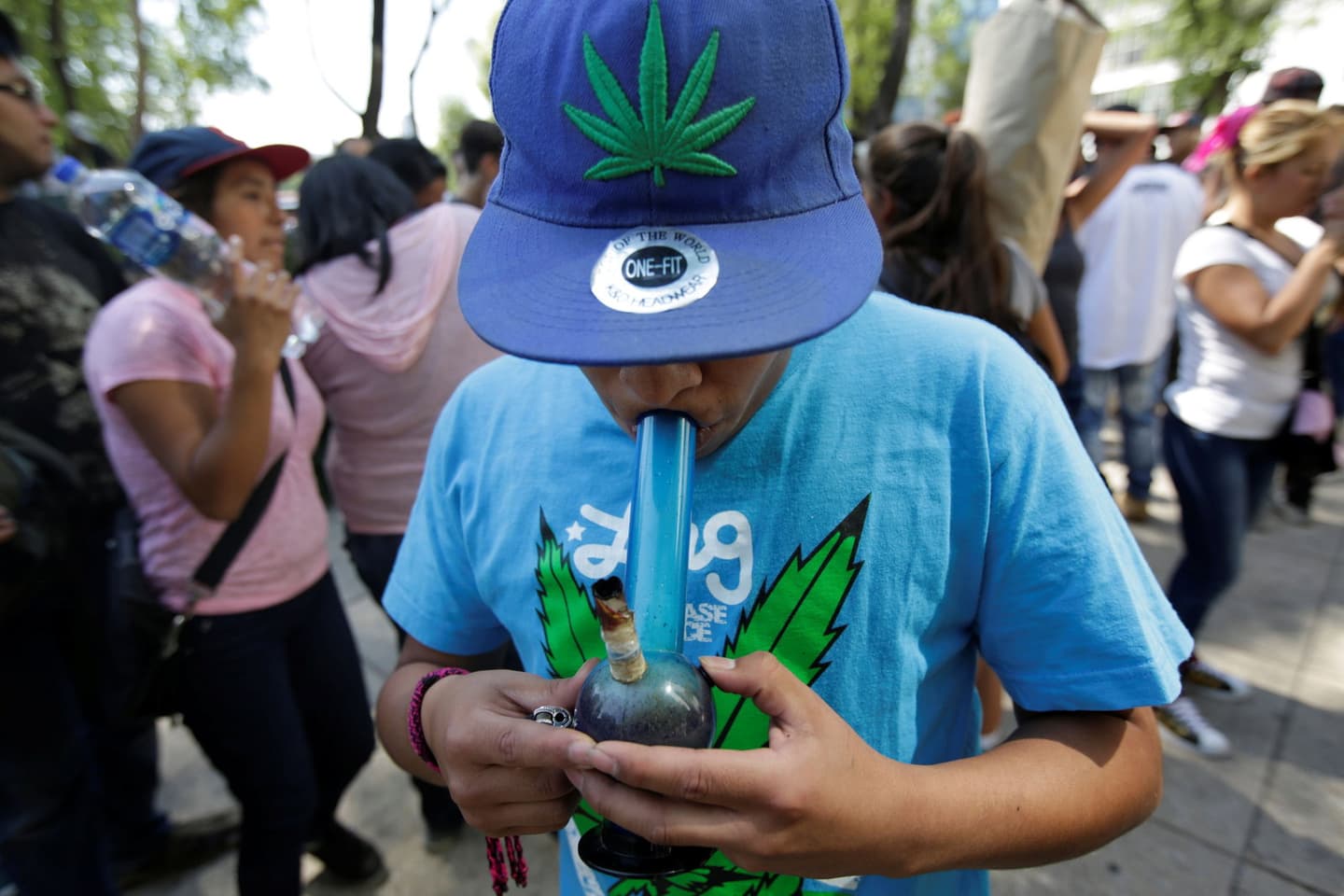
Jose Luis Gonzalez/Reuters
Source Analysis




What Happened
Why It Matters
What Happened
Why It Matters
Where Sources Agree
- arrows_inputAdolescent Cannabis Doubles Psychosis Risk: Sources align on adolescent cannabis use doubling the risk of psychotic and bipolar disorders, noting psychiatric conditions typically emerged within two years of initial use, according to the JAMA Health Forum study.
- arrows_inputLongitudinal Study Design: Coverage broadly notes a longitudinal cohort study analyzed electronic health record data from 463,396 adolescents aged 13-17, followed through age 26, according to Kaiser Permanente Northern California data.
- arrows_inputAdolescent Use Rises with Grade: Coverage highlights that cannabis use among U.S. adolescents rises significantly with grade level, from about 8% in 8th grade to 26% in 12th grade, according to the Monitoring the Future study.
Where Sources Disagree
- arrows_outputStudy Methodology Emphasis: Some reports emphasize the study's unique examination of any cannabis use, not just heavy users, through universal screening; other reports highlight the study's exclusion of adolescents with prior mental illness to suggest causality.
- arrows_outputCannabis Market Value vs. Societal Costs: Some researchers suggest the societal cost of treating serious mental illnesses, potentially exacerbated by cannabis use, could negate the cannabis market's value. While, public health experts emphasize the urgent need for a public health response to address adolescent cannabis use as a serious health issue.
- arrows_outputCannabis Commercialization and Mental Health Disparities: Some sources highlight that expanding cannabis commercialization risks worsening mental health disparities, while other sources emphasize that cannabis use is more common in socioeconomically deprived neighborhoods.
Timeline
February 21, 2026
Potency Concerns and Policy Calls: Authors and outside experts warned that rising THC potency and commercialization warrant public health responses — including potency limits, prevention, youth exposure limits, and better messaging — and suggested increased regulation, treatment funding and prevention campaigns targeting adolescents.
August 27, 2025
Findings: Doubled Psychosis Risk: The study found that any self-reported past-year cannabis use during adolescence was associated with about double the risk of incident psychotic and bipolar disorders and modestly higher risks of depressive and anxiety disorders, and that cannabis use typically preceded diagnoses by 1.7–2.3 years. Nearly 4,000 teens in the cohort were diagnosed with each of the two serious disorders noted.
August 27, 2025
Large Cohort Followed To Adulthood: The JAMA Health Forum study followed 463,396 adolescents ages 13–17 through young adulthood (to about ages 25–26), using universal, self-reported past-year cannabis screening and excluding teens with prior mental health symptoms. Researchers observed that cannabis use in adolescence was more common in socioeconomically deprived neighborhoods.
Summary by Ground AI
Sources
See All 36A varied selection of sources chosen by Ground to reflect the diversity of this story’s coverage.
Most Written About
The stories getting the most coverage from the last 24 hours





Source Analysis
Timeline
February 21, 2026
Potency Concerns and Policy Calls: Authors and outside experts warned that rising THC potency and commercialization warrant public health responses — including potency limits, prevention, youth exposure limits, and better messaging — and suggested increased regulation, treatment funding and prevention campaigns targeting adolescents.
August 27, 2025
Findings: Doubled Psychosis Risk: The study found that any self-reported past-year cannabis use during adolescence was associated with about double the risk of incident psychotic and bipolar disorders and modestly higher risks of depressive and anxiety disorders, and that cannabis use typically preceded diagnoses by 1.7–2.3 years. Nearly 4,000 teens in the cohort were diagnosed with each of the two serious disorders noted.
August 27, 2025
Large Cohort Followed To Adulthood: The JAMA Health Forum study followed 463,396 adolescents ages 13–17 through young adulthood (to about ages 25–26), using universal, self-reported past-year cannabis screening and excluding teens with prior mental health symptoms. Researchers observed that cannabis use in adolescence was more common in socioeconomically deprived neighborhoods.


