China Injects $54 Billion Into State Banks and Insurers
China
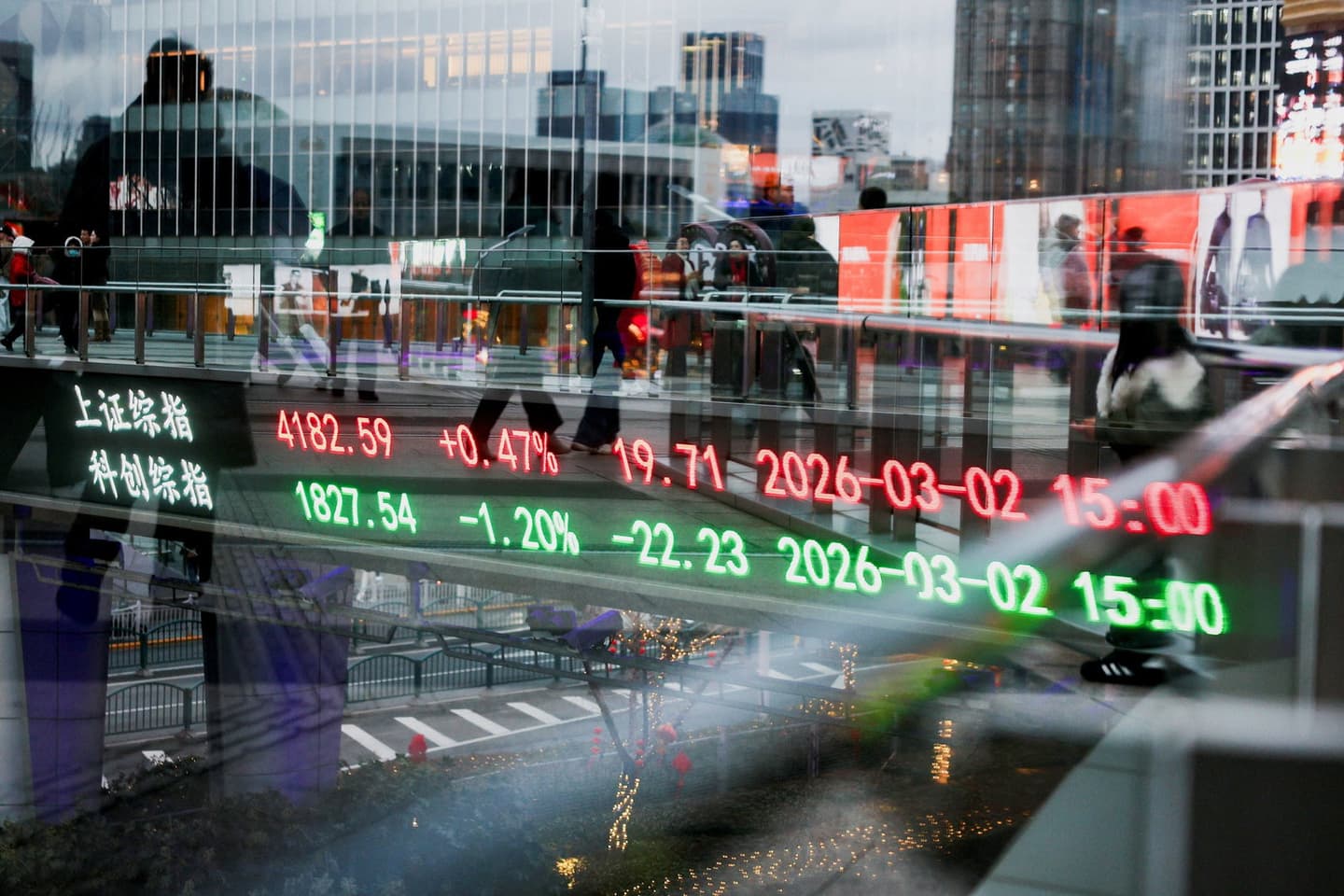
Go Nakamura/Reuters




What Happened
What Happened
Where Right Sources Focus
- Capital Allocation Mechanics: Right-leaning outlets provide granular reporting on the capital allocation, detailing specific funding amounts for major state-owned banks and insurers. They highlight private A-share placements and the use of proceeds to replenish core tier 1 capital, citing official press releases and institutional statements.
- Official Economic Rationale: Conservative coverage emphasizes Beijing's stated objectives, reporting that the capital injection aims to enhance the financial sector's ability to serve the real economy and strengthen risk resistance. These reports frequently cite official statements from the finance ministry and state-owned institutions regarding the move's role in financial stability.
Where Left Sources Focus
- Broader Economic Challenges: Left and center sources frame the capital injection within China's wider structural economic challenges, including a real estate downturn and weak domestic demand. Reports note that these structural issues, rather than just liquidity, remain the primary hurdles to the country's economic growth and stability.
- Market Efficacy Skepticism: Coverage from these outlets highlights analyst skepticism regarding the package's scale and efficacy, with experts questioning whether the funds will effectively stimulate the real economy. Reports note market reactions, including declining insurance stocks and warnings that the move may not guarantee increased capital flow to businesses.
What's Largely Absent from Each Side
- Right sources rarely mention: Right-leaning coverage largely omits critical analysis regarding whether the injection size meets market expectations or will effectively stimulate growth. While focusing on the mechanics, they lack the skepticism found in left and center reports, which feature analysts questioning the efficacy of these state interventions.
- Left sources rarely mention: Left and center sources rarely provide the granular breakdown of specific capital allocations to individual banks and insurance companies. Right-leaning outlets feature these transactional details prominently, offering a more precise view of how the 360 billion yuan package is distributed across specific financial institutions.
Rare Agreement
- Core Injection Facts: Despite divergent framing, sources across the spectrum agree on the core facts: the Chinese finance ministry is injecting 360 billion yuan into state-owned banks and insurers to bolster financial system stability and strengthen institutional risk resistance capabilities, as confirmed by official government announcements.
Timeline
September 7, 2026
Stated goals and analyst views: Officials and analysts said the injections aim to ease solvency pressures, enable insurers to increase long‑term equity investment and support credit expansion, though some noted the package was smaller than earlier market expectations and reflects relatively healthier insurer capital positions.
September 7, 2026
360bn yuan package and funding: State media and Reuters reported the overall package at 360 billion yuan (~$53.6bn), with the finance ministry issuing 300 billion yuan in special bonds to fund the injections — the first use of special bonds to support insurers — intended to bolster operating and risk‑resistance capacity. Insurance stocks fell on the news.
September 7, 2026
Recipients and amounts detailed: Companies and banks disclosed the breakdown: insurers receive about 70 billion yuan (China Life 35bn, China Taiping 7bn, PICC ~15bn, CECIC 10bn, China Re 3bn) while banks take the bulk (roughly 290 billion yuan), including Export‑Import Bank 30bn and planned A‑share placements for Agricultural Bank (up to 160bn) and ICBC (up to 100bn).
Perspectives and Debates
Summaries by Ground AI
Sources
See All 86Most Written About
The stories getting the most coverage from the last 24 hours




Timeline
September 7, 2026
Stated goals and analyst views: Officials and analysts said the injections aim to ease solvency pressures, enable insurers to increase long‑term equity investment and support credit expansion, though some noted the package was smaller than earlier market expectations and reflects relatively healthier insurer capital positions.
September 7, 2026
360bn yuan package and funding: State media and Reuters reported the overall package at 360 billion yuan (~$53.6bn), with the finance ministry issuing 300 billion yuan in special bonds to fund the injections — the first use of special bonds to support insurers — intended to bolster operating and risk‑resistance capacity. Insurance stocks fell on the news.
September 7, 2026
Recipients and amounts detailed: Companies and banks disclosed the breakdown: insurers receive about 70 billion yuan (China Life 35bn, China Taiping 7bn, PICC ~15bn, CECIC 10bn, China Re 3bn) while banks take the bulk (roughly 290 billion yuan), including Export‑Import Bank 30bn and planned A‑share placements for Agricultural Bank (up to 160bn) and ICBC (up to 100bn).


