Ceuta Seeks National Emergency as Thousands Enter Spanish Territory
Spain
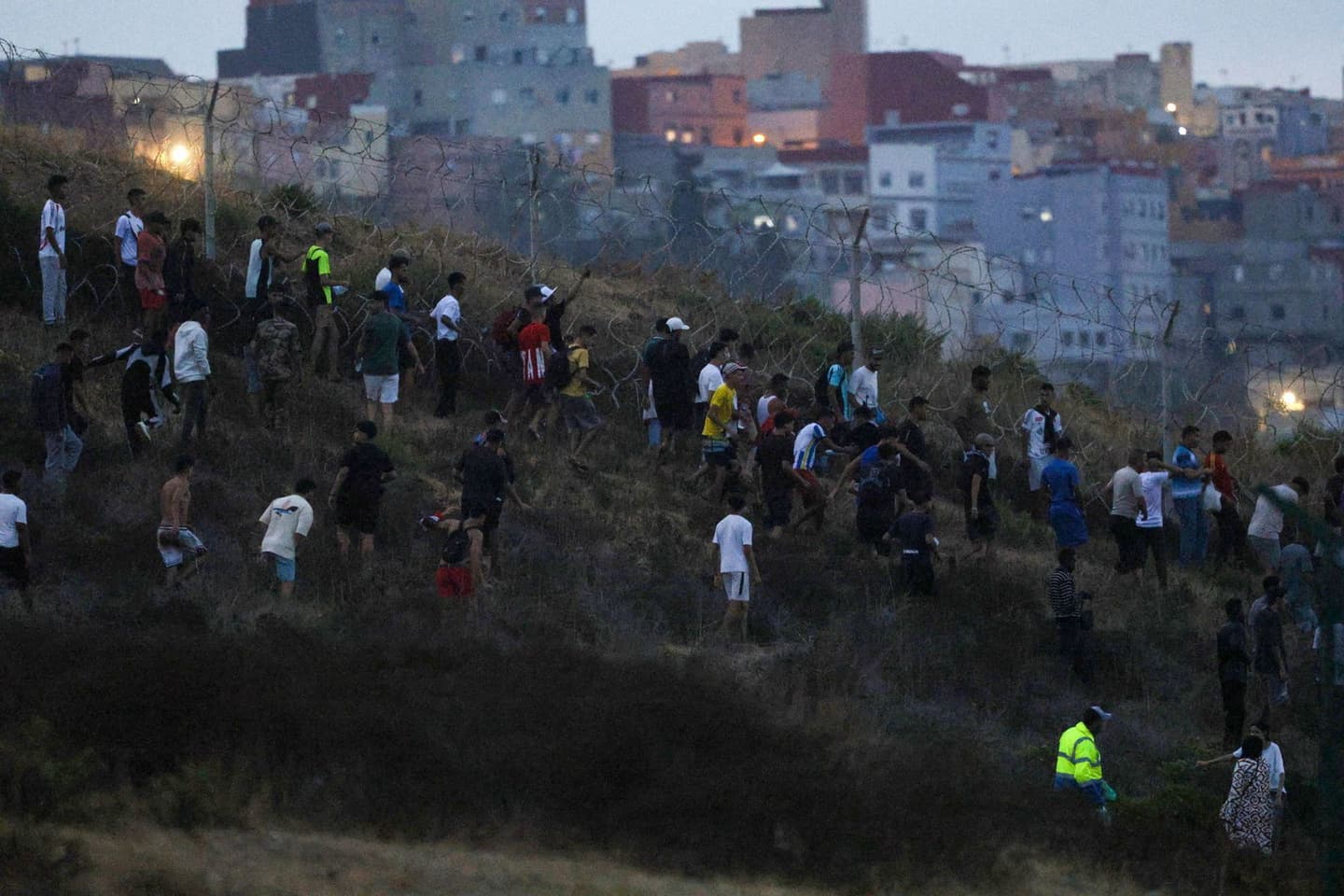
Abdelmajid BZIOUAT / AFP via Getty Images/Getty




What Happened
Key Implications
What Happened
Key Implications
Where Sources Agree
- arrows_inputMilitary Reinforcements Deployed: Various sources establish that Spain is deploying 60 troops from its armed forces to reinforce the Ceuta border and restore order following a massive surge of migrants, according to official Spanish government statements.
- arrows_inputHumanitarian Emergency Declared: Some outlets verify that Ceuta’s local government declared a humanitarian and social emergency on Thursday, citing saturated reception facilities and hundreds of migrants sleeping on the streets, according to the Ceuta regional government.
- arrows_inputSupreme Court Ruling Impact: A subset of coverage notes that the recent surge in migrant arrivals at the Ceuta border may be linked to a recent Spanish Supreme Court ruling prohibiting summary expulsions of individuals intercepted at sea, according to Guardia Civil and regional authorities.
Where Sources Disagree
- arrows_outputDriver of Migrant Surge: The Spanish Interior Ministry attributes the surge to trafficking networks exploiting a Supreme Court ruling that limits summary returns at sea. In contrast, opposition parties and conservative outlets argue the crisis stems from the government’s recent mass regularization program, which they contend acts as a pull factor for illegal migration.
- arrows_outputMigrant Influx Estimates: Some local authorities and reports estimate that 1,500 to 2,000 migrants arrived in Ceuta over recent days. In contrast, other sources describe the surge as involving thousands or tens of thousands of individuals.
Timeline
July 31, 2026
Spain Deploys Military Units: The Spanish government announced it would deploy military units to reinforce the Civil Guard in Ceuta — including three platoons of 20 soldiers each, a diving unit and a military vessel — to restore order after migrants broke through fences. The decision followed official orders to send the Armed Forces to help maintain security while ministers prepared on-site visits.
July 30, 2026
Crossings Surge; Emergency Appeals: Thousands streamed into Ceuta over a short period, with local leaders calling for Madrid to declare a state of emergency, deploy the army and reinforce police as arrivals climbed past 2,000 in a week. Officials and images likened the scenes to the May 2021 crisis as crossings accelerated and crowds breached barriers.
July 30, 2026
Deaths and Reception Collapse: Over the course of a few days authorities found multiple bodies at sea and reported dozens of deaths along Ceuta's coast in 2026, while migrant reception centres became saturated and hundreds were left sleeping outside an overcapacity CETI. The enclave's temporary reception system (CETI) was already beyond capacity, worsening the humanitarian emergency.
Perspectives and Debates
Summaries by Ground AI
Sources
See All 509Most Written About
The stories getting the most coverage from the last 24 hours





Timeline
July 31, 2026
Spain Deploys Military Units: The Spanish government announced it would deploy military units to reinforce the Civil Guard in Ceuta — including three platoons of 20 soldiers each, a diving unit and a military vessel — to restore order after migrants broke through fences. The decision followed official orders to send the Armed Forces to help maintain security while ministers prepared on-site visits.
July 30, 2026
Crossings Surge; Emergency Appeals: Thousands streamed into Ceuta over a short period, with local leaders calling for Madrid to declare a state of emergency, deploy the army and reinforce police as arrivals climbed past 2,000 in a week. Officials and images likened the scenes to the May 2021 crisis as crossings accelerated and crowds breached barriers.
July 30, 2026
Deaths and Reception Collapse: Over the course of a few days authorities found multiple bodies at sea and reported dozens of deaths along Ceuta's coast in 2026, while migrant reception centres became saturated and hundreds were left sleeping outside an overcapacity CETI. The enclave's temporary reception system (CETI) was already beyond capacity, worsening the humanitarian emergency.


