Tesla Faces Bench Trial Over California Race-Discrimination Claims
Fremont, US
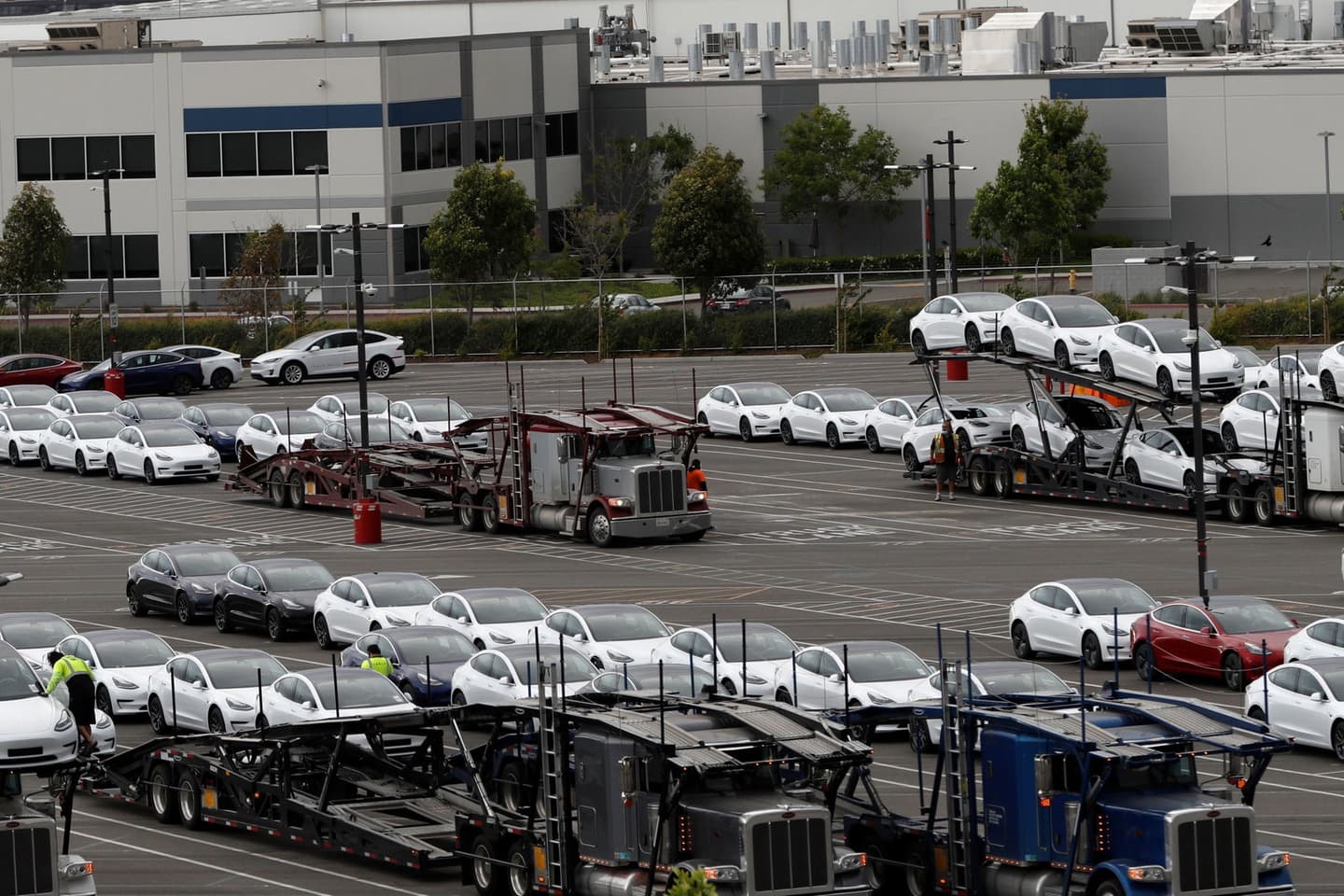
STEPHEN LAM/Reuters
Source Analysis




What Happened
What Happened
Where Sources Agree
- arrows_inputBench Trial Begins: Coverage broadly notes that the racial discrimination lawsuit against Tesla is proceeding as a bench trial before Alameda County Superior Court Judge Peter Borkon, with no jury involved in the proceedings, which began on September 21 and are scheduled to run until October 30.
- arrows_inputDiscrimination Trial Commences: Most outlets confirm that the California Civil Rights Department’s 2022 lawsuit against Tesla has officially proceeded to trial, alleging systemic racial discrimination, slurs, and segregated work assignments at the Fremont factory, according to the agency's complaint.
- arrows_inputUncapped Damages Allowed: Sources across outlets confirm that California state law does not impose a cap on discrimination damages, unlike federal law, according to the California Fair Employment and Housing Act.
Where Sources Disagree
- arrows_outputDiaz Lawsuit Outcome: Some outlets report that Owen Diaz settled his discrimination lawsuit against Tesla for an undisclosed amount. In contrast, other reports state that a second jury reduced the award in the case to $3.2 million.
- arrows_outputFactory Descriptive Terminology: Some outlets characterize the Fremont factory using workers' descriptions like "plantation" or "slaveship" to illustrate alleged hostility. However, other coverage of the discrimination trial omits these specific terms while still reporting on the broader allegations of racism and segregation.
- arrows_outputTesla 'Cultural Greeting' Defense Coverage: Some outlets report Tesla's defense counsel argued the N-word was used among Black employees as a form of cultural greeting rather than abuse. In contrast, other outlets omit this specific defense argument, focusing instead on the broader allegations of rampant racism and segregation at the factory.
Timeline
September 21, 2026
Bench Trial Opens in Oakland: The state’s bench trial began in Oakland on September 21, 2026 before Judge Peter Borkon and is scheduled through October 30; opening statements and early testimony included photographs of racist graffiti, accounts that racial slurs occurred as often as 50–100 times a day, and evidence the state says shows pay and promotion disparities for Black workers. California is seeking damages and court-ordered reforms if it prevails.
April 2026
Summary Judgment Denied: In April 2026 the court rejected Tesla’s renewed motion for summary judgment after plaintiff objections, leaving the case set for trial. The denial cleared the path for the state’s claims to be decided at a full bench trial.
2025
Class Claims Blocked: A 2025 ruling prevented more than 6,000 Black workers from proceeding as a single class, narrowing the plaintiffs’ collective options and shaping the procedural posture of ensuing litigation. That decision was cited as a notable pre-trial development.
Summary by Ground AI
Sources
See All 38A varied selection of sources chosen by Ground to reflect the diversity of this story’s coverage.
Most Written About
The stories getting the most coverage from the last 24 hours


Source Analysis
Timeline
September 21, 2026
Bench Trial Opens in Oakland: The state’s bench trial began in Oakland on September 21, 2026 before Judge Peter Borkon and is scheduled through October 30; opening statements and early testimony included photographs of racist graffiti, accounts that racial slurs occurred as often as 50–100 times a day, and evidence the state says shows pay and promotion disparities for Black workers. California is seeking damages and court-ordered reforms if it prevails.
April 2026
Summary Judgment Denied: In April 2026 the court rejected Tesla’s renewed motion for summary judgment after plaintiff objections, leaving the case set for trial. The denial cleared the path for the state’s claims to be decided at a full bench trial.
2025
Class Claims Blocked: A 2025 ruling prevented more than 6,000 Black workers from proceeding as a single class, narrowing the plaintiffs’ collective options and shaping the procedural posture of ensuing litigation. That decision was cited as a notable pre-trial development.


