Merz Stays On After CDU Election Setbacks and AfD Gains
Germany
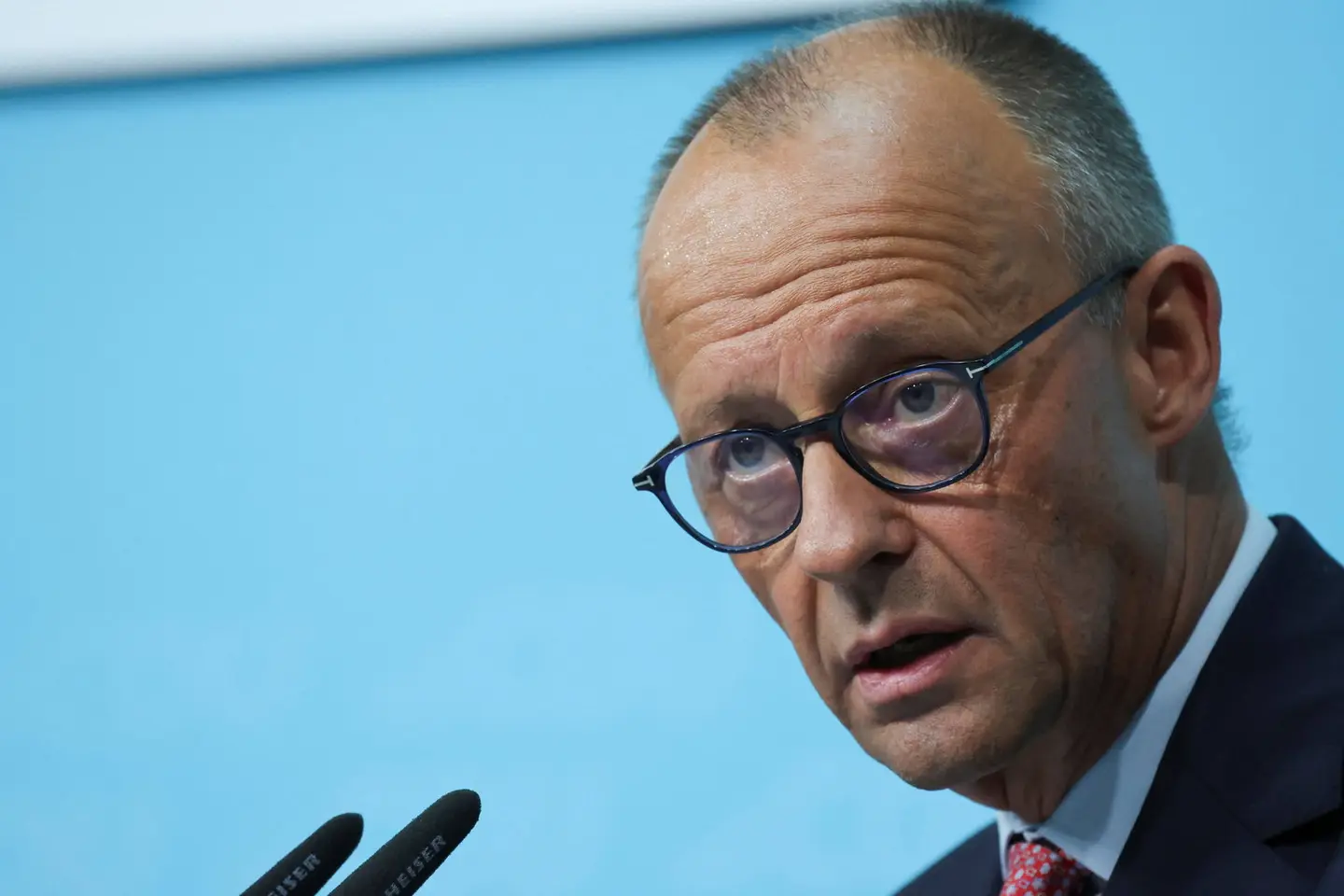
Fabrizio Bensch/Reuters
Source Analysis



What Happened
What Happened
Where Sources Agree
- arrows_inputHistoric CDU Election Defeat: Multiple accounts detail the CDU fell to 4.9% in Mecklenburg-Western Pomerania, missing the 5% threshold required for parliamentary seats for the first time in 77 years, citing official exit poll data.
- arrows_inputMerz Vows to Continue: A number of outlets note that Chancellor Friedrich Merz has vowed to remain in office and continue his reform agenda despite recent state election setbacks, according to official statements.
Where Sources Disagree
- arrows_outputCoalition Reform Support Disputed: While national Social Democratic Party (SPD) leaders have publicly affirmed their commitment to the coalition and its reform agenda, state-level figures and partners have simultaneously voiced irritation and doubt regarding specific details of the federal government's economic proposals.
- arrows_outputElection Defeat Historical Context: Reports vary slightly on the historical context of the CDU's recent election defeat, with some sources describing it as the party's worst result in 77 years, while others cite it as the worst in 80 years.
- arrows_outputCDU Berlin Vote Discrepancy: Reports vary slightly on the CDU’s vote share in Berlin, with some sources citing 19% or 19.1% while others report 20%.
Timeline
September 21, 2026
Aftermath: coalition backing and risks: By Sept. 21, 2026 Merz said he was grateful the Social Democrats planned to remain in the coalition, while CDU regional leaders and party figures signalled varying degrees of support amid calls for changes; analysts warned the AfD surge and CDU crisis risked political deadlock and raised questions ahead of multiple state elections next year. Markets showed little immediate reaction but commentators stressed longer-term consequences.
September 20, 2026
Merz calls result a 'disaster': Minutes after polls closed on Sept. 20, Merz called the CDU's showing a "disaster," abandoned a planned trip to the U.N. General Assembly, and vowed to remain chancellor and press ahead with potentially painful economic and social reforms. He framed the reform agenda as urgent despite the electoral setbacks.
September 20, 2026
Sept. 20 state elections shock: On September 20, 2026 elections in Mecklenburg-Western Pomerania and Berlin saw the AfD top the poll in Mecklenburg-Western Pomerania (around 37–38%) while the CDU crashed to roughly 4.9% there, missing the threshold; in Berlin the Left (Die Linke) led with about 24–25% while the CDU fell to roughly 19–20% and the AfD rose to about 16%.
Perspectives and Debates
Do the German state election results represent a domestic political crisis or a geopolitical gain for Russia?
Summary by Ground AI
Sources
See All 623A varied selection of sources chosen by Ground to reflect the diversity of this story’s coverage.
Most Written About
The stories getting the most coverage from the last 24 hours



Source Analysis
Timeline
September 21, 2026
Aftermath: coalition backing and risks: By Sept. 21, 2026 Merz said he was grateful the Social Democrats planned to remain in the coalition, while CDU regional leaders and party figures signalled varying degrees of support amid calls for changes; analysts warned the AfD surge and CDU crisis risked political deadlock and raised questions ahead of multiple state elections next year. Markets showed little immediate reaction but commentators stressed longer-term consequences.
September 20, 2026
Merz calls result a 'disaster': Minutes after polls closed on Sept. 20, Merz called the CDU's showing a "disaster," abandoned a planned trip to the U.N. General Assembly, and vowed to remain chancellor and press ahead with potentially painful economic and social reforms. He framed the reform agenda as urgent despite the electoral setbacks.
September 20, 2026
Sept. 20 state elections shock: On September 20, 2026 elections in Mecklenburg-Western Pomerania and Berlin saw the AfD top the poll in Mecklenburg-Western Pomerania (around 37–38%) while the CDU crashed to roughly 4.9% there, missing the threshold; in Berlin the Left (Die Linke) led with about 24–25% while the CDU fell to roughly 19–20% and the AfD rose to about 16%.


