Cassini Data Show Enceladus Ice Grains Sort Salts and Organics
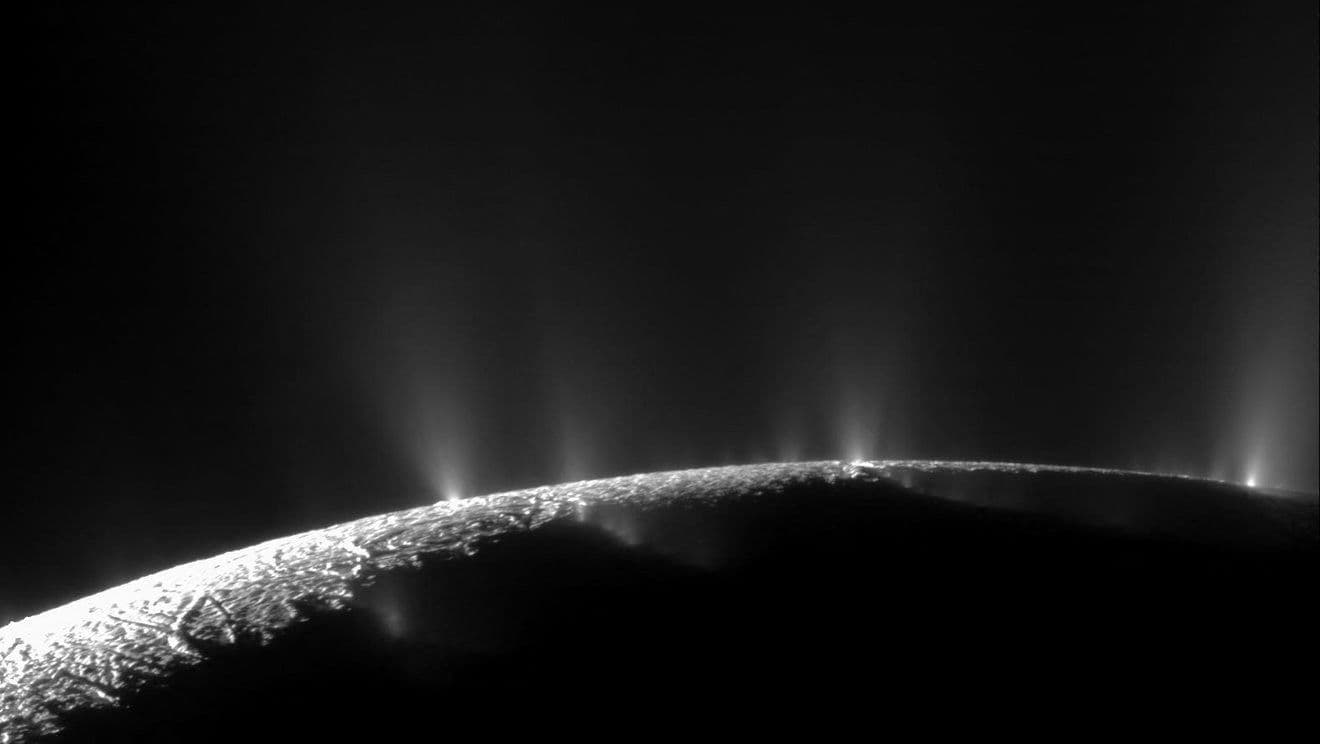
NASA/JPL-Caltech/Space Science I/Reuters
Source Analysis




What Happened
Key Implications
What Happened
Key Implications
Where Sources Agree
- arrows_inputIce Grain Segregation Confirmed: Coverage confirms that slow freezing causes oceanic constituents to separate into individual particles, explaining the chemical diversity of Enceladus's ice grains; this process was identified after researchers analyzed 961 Type 3 ice grains, according to Science Advances study findings.
- arrows_inputSubsurface Ocean and Cryovolcanism: All outlets cite a global ocean beneath the moon's ice crust—varying from 22 miles thick at the equator to 3 miles at the south pole—where cryovolcanic activity ejects water vapor and ice particles into space, according to scientific background data.
Where Sources Disagree
- arrows_outputResearch Coverage Scope: Some coverage focuses exclusively on the Cassini Cosmic Dust Analyzer's ice grain findings. In contrast, other reports provide a broader perspective by covering both the ice grain study and concurrent methanogenesis research.
- arrows_outputResearch Scope: Reports vary slightly in scope—some outlets focus on the single study of Enceladus ice grains, while others note that two separate studies were published simultaneously in the same journal.
Timeline
September 25, 2026
Chemical diversity and habitability implications: Researchers identified at least five distinct chemical subtypes dominated by different salts and found salts and organics alongside evidence of hydrothermal-like conditions; separate laboratory work recreated Enceladus-like chemistry and showed a methane-producing microbe could grow under those conditions, suggesting key ingredients for habitability. The studies note that future missions analyzing many individual ice particles could potentially detect biosignatures.
September 25, 2026
Lab and modeling reveal segregation: Laboratory freezing of simulated ocean droplets and thermodynamic modeling showed slow freezing (below ~20 K per minute) in relatively large droplets (tens to hundreds of micrometers) causes different salts to crystallize separately, explaining compositional segregation observed by Cassini CDA. The process and fragmentation map to the micrometer-scale grains detected in the plume.
September 25, 2026
Nearly 1,000 grains analyzed: A new analysis of nearly 1,000 E ring measurements examined 961 Type 3 (salt-rich) ice grains and built on prior classification of three compositional groups (Type 1: nearly pure ice, Type 2: organics-bearing, Type 3: salt-rich). These measurements clarified the prevalence and characteristics of plume-sourced particles.
Summary by Ground AI
Sources
See All 42A varied selection of sources chosen by Ground to reflect the diversity of this story’s coverage.
Most Written About
The stories getting the most coverage from the last 24 hours



Source Analysis
Timeline
September 25, 2026
Chemical diversity and habitability implications: Researchers identified at least five distinct chemical subtypes dominated by different salts and found salts and organics alongside evidence of hydrothermal-like conditions; separate laboratory work recreated Enceladus-like chemistry and showed a methane-producing microbe could grow under those conditions, suggesting key ingredients for habitability. The studies note that future missions analyzing many individual ice particles could potentially detect biosignatures.
September 25, 2026
Lab and modeling reveal segregation: Laboratory freezing of simulated ocean droplets and thermodynamic modeling showed slow freezing (below ~20 K per minute) in relatively large droplets (tens to hundreds of micrometers) causes different salts to crystallize separately, explaining compositional segregation observed by Cassini CDA. The process and fragmentation map to the micrometer-scale grains detected in the plume.
September 25, 2026
Nearly 1,000 grains analyzed: A new analysis of nearly 1,000 E ring measurements examined 961 Type 3 (salt-rich) ice grains and built on prior classification of three compositional groups (Type 1: nearly pure ice, Type 2: organics-bearing, Type 3: salt-rich). These measurements clarified the prevalence and characteristics of plume-sourced particles.


