World Weather Attribution Says Climate Change Doubled Canada Wildfire Risk
Ontario, Canada
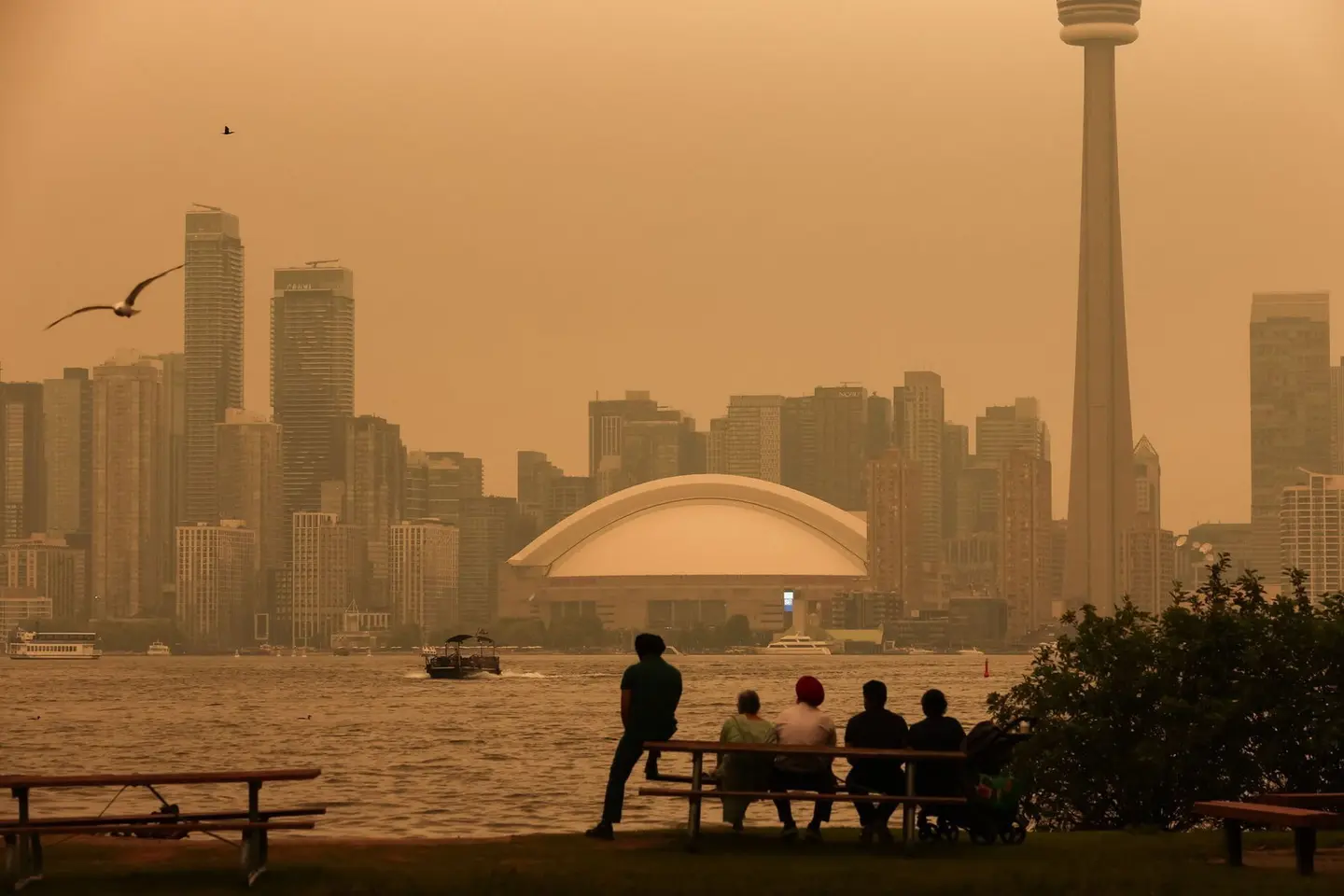
Cole BURSTON / AFP via Getty Images/Getty
Source Analysis




What Happened
Key Implications
What Happened
Key Implications
Where Right Sources Focus
- Tariff Justification and Accountability: Conservative outlets emphasize that President Trump's tariff threats serve as legitimate leverage to hold Canada accountable for "willful negligence" in forest maintenance, arguing that better land management practices could have prevented the smoke from drifting into American cities and causing hazardous conditions.
- Privatization and Management Efficiency: Right-leaning commentary argues that government-controlled forests lack necessary incentives for fire mitigation, suggesting that privatizing forest land would foster competitive safeguarding and lead to fewer, less severe infernos compared to current state-run approaches to forest management.
Where Left Sources Focus
- Climate Change Attribution Science: Progressive and center sources highlight findings from a World Weather Attribution study, which concludes that human-induced climate change made the extreme fire conditions in Canada twice as likely, citing fossil fuel emissions as the primary driver behind the record-breaking intensity.
- Indigenous Community Impact: Left-leaning coverage underscores the disproportionate impact of wildfires on Indigenous communities, calling for the integration of traditional knowledge and Indigenous-led fire stewardship programs, noting that current government approaches are insufficient for protecting their lands, cultures, and future generations.
What's Largely Absent from Each Side
- Right sources rarely mention: Right-leaning outlets rarely mention that many Canadian wildfires occur in remote boreal regions where suppression is physically impossible regardless of management, a reality left-leaning sources emphasize to challenge the "mismanagement" narrative by highlighting the limitations of human intervention.
- Left sources rarely mention: Left-leaning sources rarely discuss the genuine public health and economic frustration caused by smoke drifting into U.S. cities, an issue right-leaning outlets feature prominently when describing the tangible impacts of the crisis on American businesses and urban communities.
Rare Agreement
- Severity of Wildfire Impacts: Despite divergent views on causation, sources across the spectrum agree that the current wildfires are historically severe, causing massive smoke issues across borders and creating significant public health challenges in both Canadian and American cities.
Timeline
August 06, 2026
Calls for Action and Recovery: Scientists and officials urged rapid cuts to fossil-fuel emissions and stronger adaptation, while Indigenous leaders demanded a public inquiry into wildfire response; officials reported thousands displaced at the peak (more than 2,800) with numbers later reduced to just over 1,600. The analysis also noted these extreme fire conditions are now expected more frequently (every 2–6 years in N.W.T. and 6–15 years in Ontario) compared with a pre-industrial climate.
July 30, 2026
Study: Climate Doubled Risk: A rapid analysis by World Weather Attribution found human-induced climate change roughly doubled the likelihood of the extreme seven- and 30-day fire-weather conditions that fueled the Ontario and Northwest Territories wildfires, comparing current conditions to a world without ~1.4°C of warming. The study used observations and climate models to identify this climate 'fingerprint' on the event.
July 22, 2026
Scale and Destruction Documented: The fires burned at unprecedented scale—more than 3.8 million hectares nationally (including over 730,000 hectares in Ontario), with the Northwest Territories seeing over 5,000 square miles burned and July reporting the total destruction of communities like Collins First Nation and Whitewater Lake First Nation. Officials said much of the area burned occurred rapidly in late June and July and hazardous smoke choked cities across Canada and the U.S.
Summary by Ground AI
Sources
See All 107A varied selection of sources chosen by Ground to reflect the diversity of this story’s coverage.
Most Written About
The stories getting the most coverage from the last 24 hours








Source Analysis
Timeline
August 06, 2026
Calls for Action and Recovery: Scientists and officials urged rapid cuts to fossil-fuel emissions and stronger adaptation, while Indigenous leaders demanded a public inquiry into wildfire response; officials reported thousands displaced at the peak (more than 2,800) with numbers later reduced to just over 1,600. The analysis also noted these extreme fire conditions are now expected more frequently (every 2–6 years in N.W.T. and 6–15 years in Ontario) compared with a pre-industrial climate.
July 30, 2026
Study: Climate Doubled Risk: A rapid analysis by World Weather Attribution found human-induced climate change roughly doubled the likelihood of the extreme seven- and 30-day fire-weather conditions that fueled the Ontario and Northwest Territories wildfires, comparing current conditions to a world without ~1.4°C of warming. The study used observations and climate models to identify this climate 'fingerprint' on the event.
July 22, 2026
Scale and Destruction Documented: The fires burned at unprecedented scale—more than 3.8 million hectares nationally (including over 730,000 hectares in Ontario), with the Northwest Territories seeing over 5,000 square miles burned and July reporting the total destruction of communities like Collins First Nation and Whitewater Lake First Nation. Officials said much of the area burned occurred rapidly in late June and July and hazardous smoke choked cities across Canada and the U.S.


