Brazil Votes in Runoff Between Lula and Flavio Bolsonaro
Brazil
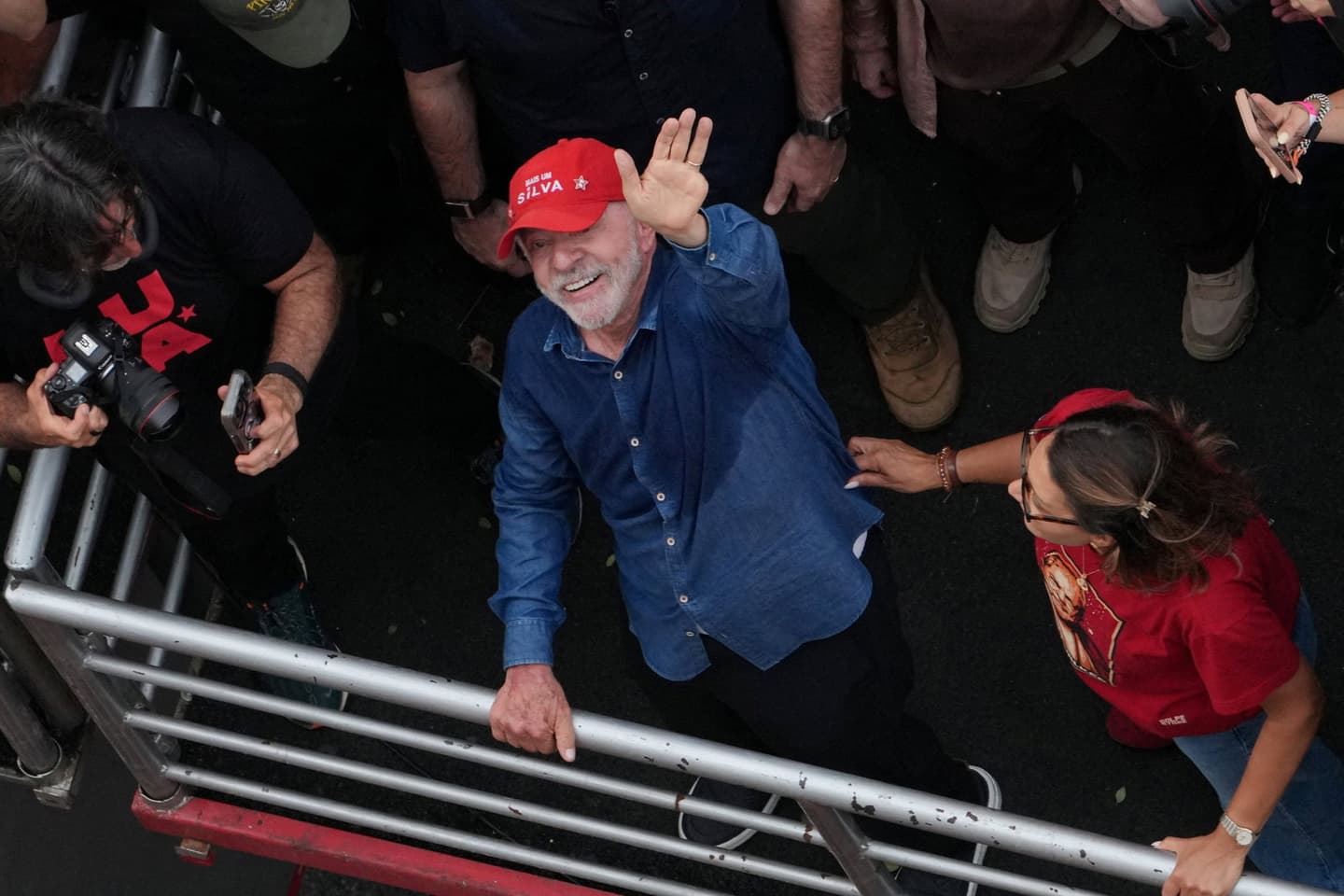
Alexandre Meneghini/Reuters




What Happened
Key Implications
What Happened
Key Implications
Where Sources Agree
- arrows_inputNeck-and-Neck Runoff Election: Coverage highlights that the presidential runoff between incumbent Luiz Inacio Lula da Silva and Senator Flavio Bolsonaro remains a neck-and-neck race, with candidates requiring more than 50% of the vote for victory, according to official election reporting.
- arrows_inputCampaign Pledge Confirmed: Reports broadly predict a significant political shift as candidate Flavio Bolsonaro pledges to free his father, Jair Bolsonaro, who is currently serving a 27-year sentence for plotting a 2022 coup, according to court documents.
- arrows_inputVoter Economic and Security Concerns: Sources uniformly report that the electorate is grappling with high living costs and heavy household debt; meanwhile, endemic gang violence also weighs heavily on voters' minds, according to multiple reports.
Where Sources Disagree
- arrows_outputUS Election Influence: Lula characterizes the Trump administration’s proximity to his opponent as election meddling, labeling tariffs and sanctions as bullying. However, Flavio Bolsonaro frames his alignment with the U.S. as a strategic economic advantage, pledging to secure better trade deals with the Trump administration if elected.
- arrows_outputCampaign Framing Divergence: Some outlets frame the election as a referendum on the Bolsonaro legacy, emphasizing the coup conviction of Flavio's father as a democratic threat. Conversely, other reports highlight market optimism, focusing on expectations that the senator will implement pro-business reforms to stimulate the economy.
Timeline
October 25, 2026
Runoff voting day: On October 25, 2026, Brazilians headed to a tightly contested runoff with final polls showing the candidates neck-and-neck; rain threatened turnout, polling stations were set to close at 5:00 pm local time, and the vote would decide whether Brazil remains under Lula or shifts right under Flavio Bolsonaro.
October 24, 2026
Final rallies and mobilization push: In the run-up to the runoff, Lula and his supporters held large rallies (including a closing campaign rally in São Paulo on October 24) and revamped campaign tactics, while Lula closed the gap in polls as the left organized massive 'Never Again Bolsonaro' demonstrations; the campaign also sought to boost turnout after a record first-round abstention.
October 23, 2026
Televised debate days before runoff: Days before the runoff, Lula and Flavio Bolsonaro took part in a televised debate in Rio de Janeiro, held on Friday, October 23, 2026. The debate was part of the final campaign push ahead of Sunday's vote.
Summary by Ground AI
Sources
See All 130A varied selection of sources chosen by Ground to reflect the diversity of this story’s coverage.
Most Written About
The stories getting the most coverage from the last 24 hours





Timeline
October 25, 2026
Runoff voting day: On October 25, 2026, Brazilians headed to a tightly contested runoff with final polls showing the candidates neck-and-neck; rain threatened turnout, polling stations were set to close at 5:00 pm local time, and the vote would decide whether Brazil remains under Lula or shifts right under Flavio Bolsonaro.
October 24, 2026
Final rallies and mobilization push: In the run-up to the runoff, Lula and his supporters held large rallies (including a closing campaign rally in São Paulo on October 24) and revamped campaign tactics, while Lula closed the gap in polls as the left organized massive 'Never Again Bolsonaro' demonstrations; the campaign also sought to boost turnout after a record first-round abstention.
October 23, 2026
Televised debate days before runoff: Days before the runoff, Lula and Flavio Bolsonaro took part in a televised debate in Rio de Janeiro, held on Friday, October 23, 2026. The debate was part of the final campaign push ahead of Sunday's vote.


