Bessent to Unveil 'Toughest Sanctions in History' on Iran Monday
Washington, US
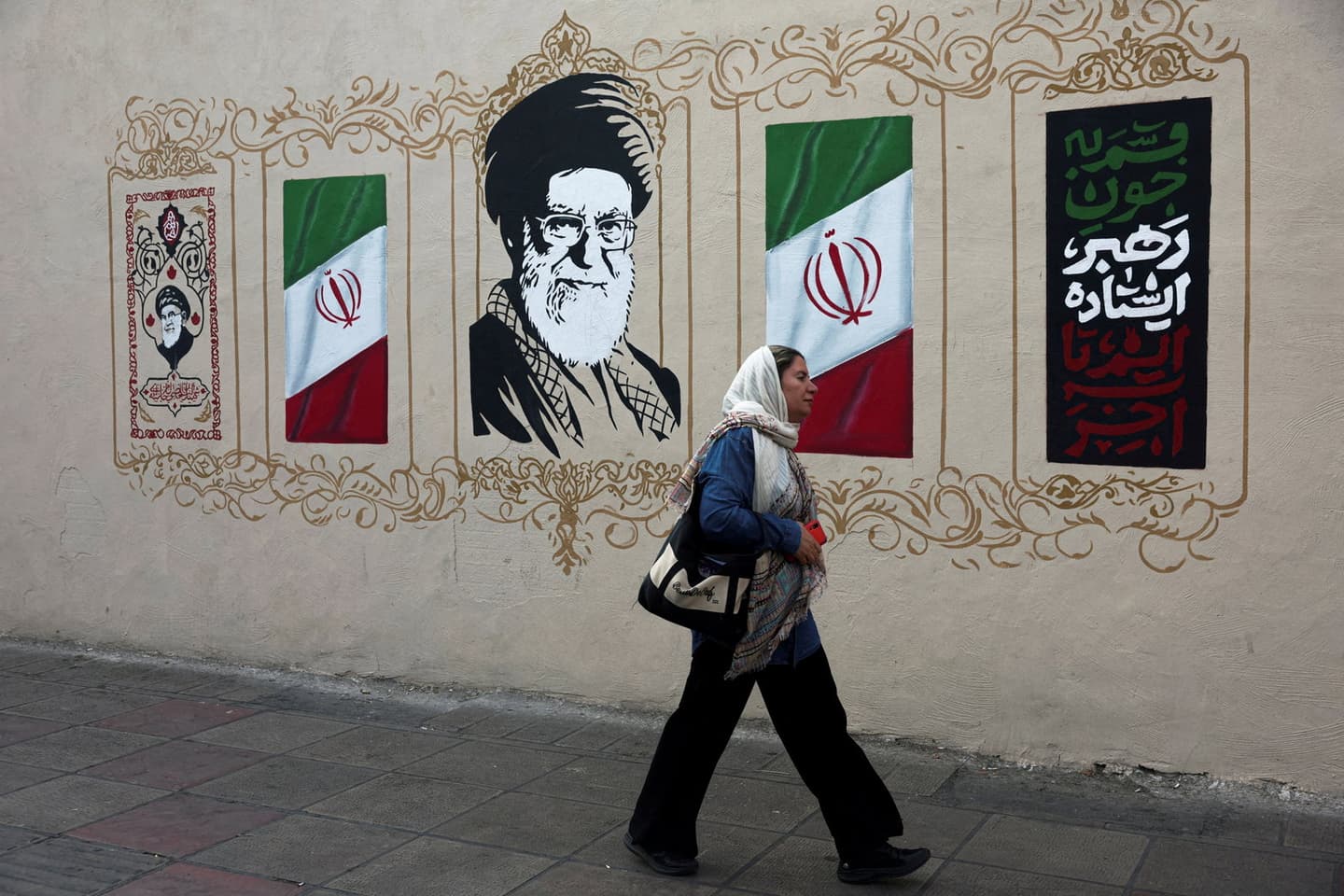
Majid Asgaripour/Reuters




What Happened
Key Implications
What Happened
Key Implications
Where Sources Agree
- arrows_inputStrait of Hormuz Disruption: Outlets predominantly note that shipping through the Strait of Hormuz has reached a virtual standstill amid an ongoing U.S. naval blockade; this maritime disruption, coupled with impending sanctions, has driven global oil prices to three-week highs.
- arrows_inputChina's Iranian Oil Imports: Reporting largely establishes that China purchases more than 80% of Iran's shipped oil, according to 2025 data from analytics firm Kpler.
Where Sources Disagree
- arrows_outputSanctions Efficacy Disputed: Treasury Secretary Scott Bessent asserts that the administration's upcoming 'toughest sanctions in history' will collapse the Iranian regime; however, regional analysts and Iranian officials contend such economic pressure campaigns have historically failed to force regime change and will likely prove ineffective.
- arrows_outputStrait of Hormuz Traffic: While reports indicate that shipping through the Strait of Hormuz is at a virtual standstill, Iran has reportedly granted passage to specific Iraqi oil tankers following requests from Baghdad.
- arrows_outputRegime Collapse Objective: There is a minor discrepancy regarding the stated objective of the new sanctions: while Treasury Secretary Scott Bessent explicitly identified regime collapse as the goal, President Trump has not used such specific language to define the administration's policy.
Timeline
August 23, 2026
Shipping hit and economic toll grows: The conflict and effective blockade have severely disrupted shipping through the Strait of Hormuz (only a handful of commodity ships transiting and the U.S. military redirecting dozens — about 70 — of commercial vessels) and pushed oil prices higher, while reporting estimates the war has caused roughly $270 billion in damage to Iran.
August 23, 2026
Iran hardliners vow retaliation: Iran’s newly prominent security leadership, including Mohsen Rezaei, denounced the planned U.S. measures, warning neighbors against joining the campaign and threatening "seismic" retaliation and targeting of countries that help the United States. State officials framed participation in the U.S. economic effort as an act of war.
August 20, 2026
U.S. announces economic warfare: President Trump announced what he called the "most crushing" economic operation and pledged "Economic Warfare and Isolation," while Treasury Secretary Scott Bessent said the U.S. would impose "the toughest sanctions in history" and scheduled a Monday press conference to detail the package. Bessent also pressed China — which buys over 80% of Iran’s seaborne oil — to cooperate or face measures.
Perspectives and Debates
Is Iran's response to U.S. sanctions best described as threatening escalation or defiant dismissal?
Summaries by Ground AI
Sources
See All 388Most Written About
The stories getting the most coverage from the last 24 hours




Timeline
August 23, 2026
Shipping hit and economic toll grows: The conflict and effective blockade have severely disrupted shipping through the Strait of Hormuz (only a handful of commodity ships transiting and the U.S. military redirecting dozens — about 70 — of commercial vessels) and pushed oil prices higher, while reporting estimates the war has caused roughly $270 billion in damage to Iran.
August 23, 2026
Iran hardliners vow retaliation: Iran’s newly prominent security leadership, including Mohsen Rezaei, denounced the planned U.S. measures, warning neighbors against joining the campaign and threatening "seismic" retaliation and targeting of countries that help the United States. State officials framed participation in the U.S. economic effort as an act of war.
August 20, 2026
U.S. announces economic warfare: President Trump announced what he called the "most crushing" economic operation and pledged "Economic Warfare and Isolation," while Treasury Secretary Scott Bessent said the U.S. would impose "the toughest sanctions in history" and scheduled a Monday press conference to detail the package. Bessent also pressed China — which buys over 80% of Iran’s seaborne oil — to cooperate or face measures.


