Bessent to Unveil 'Toughest Sanctions in History' on Iran Monday
Washington, US
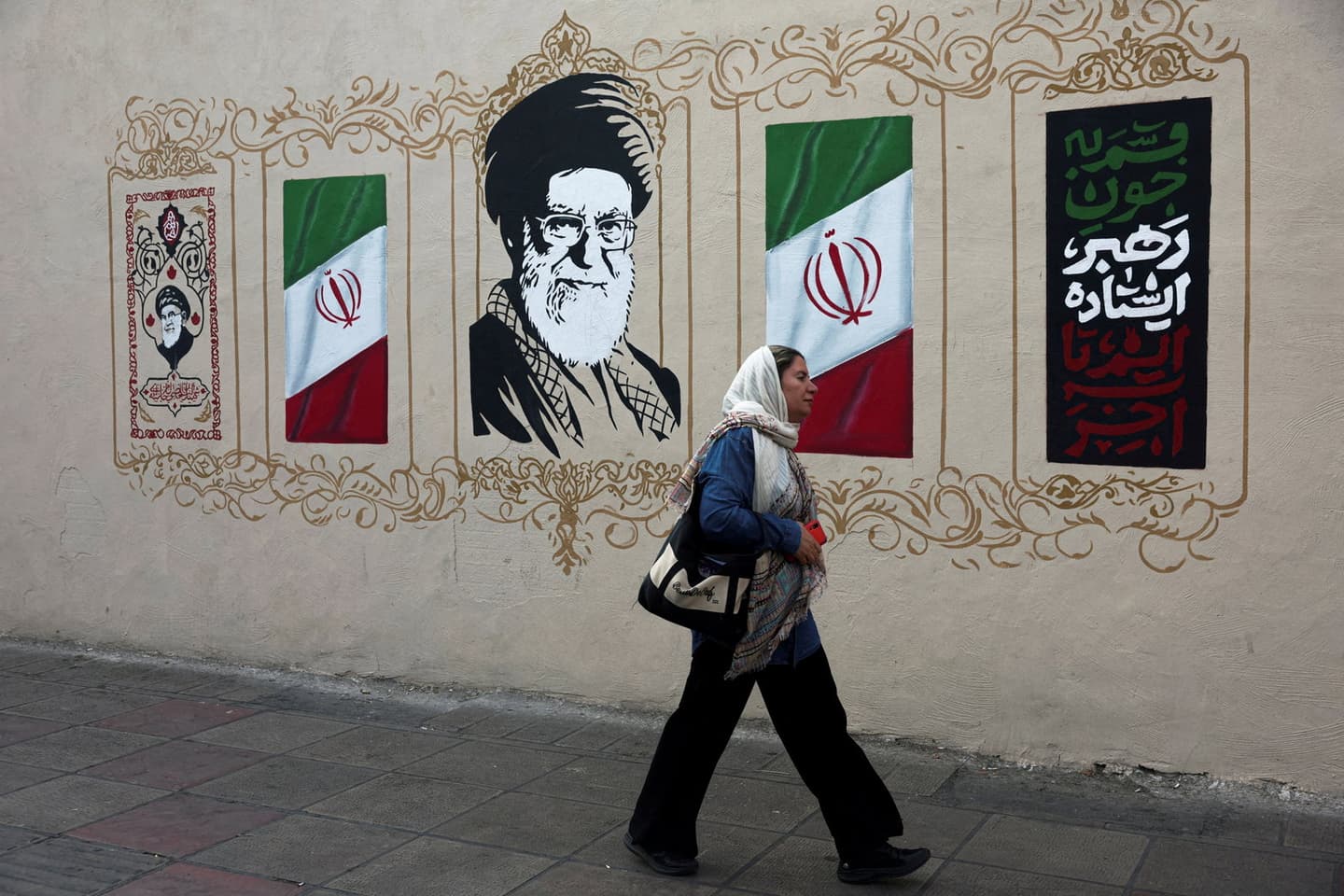
Majid Asgaripour/Reuters




What Happened
Key Implications
What Happened
Key Implications
Where Sources Agree
- arrows_inputSanctions Announcement Scheduled: Sources across outlets confirm U.S. Treasury Secretary Scott Bessent will hold a press conference at 2:00 PM EDT on Monday, August 24, to unveil new sanctions against Iran.
- arrows_inputSanctions and Retaliation: Sources uniformly report that the United States is preparing to unveil its most severe sanctions yet against Iran, while Tehran officials denounce the impending measures as "economic terrorism" and warn of a harsh retaliatory response.
Where Sources Disagree
- arrows_outputSanctions Efficacy Disputed: US officials assert that an unprecedented campaign of economic sanctions, paired with a naval blockade, will successfully collapse the Iranian regime. Conversely, analysts and reports suggest such measures are unlikely to force a collapse, noting Iran's historical resilience to sanctions and its continued ability to trade with partners like China.
- arrows_outputIran's Economic and Military Status: While U.S. officials report that military strikes and sanctions have severely diminished Iran's economy and armed forces, Iranian leaders insist the nation remains defiant and capable of continuing the conflict.
- arrows_outputChina's Sanctions Cooperation: U.S. officials have urged China to cooperate with Washington's new economic sanctions against Iran, highlighting China's role as a major buyer of Iranian oil. In contrast, Beijing has rejected unilateral sanctions, arguing that such economic pressure will not resolve the conflict and advocating for continued diplomatic engagement.
Timeline
August 24, 2026
Iran Warns of Retaliation; Unveiling Due: As Bessent prepared to unveil the new sanctions on August 24, Iranian officials denounced the planned measures as 'economic terrorism' and warned countries joining Washington's campaign would be treated as enemies and face retaliatory action.
August 23, 2026
Naval Blockade Disrupts Shipping: A U.S. naval blockade (noted as imposed in April and still in effect) has bottled up the Strait of Hormuz, redirecting dozens of commercial vessels and leaving only a handful of ships transiting, with the U.S. military reporting dozens of ships redirected or disabled.
August 20, 2026
China Refuses to Cooperate: China—reported to have bought more than 80% of Iran's seaborne oil in 2025—publicly rejected U.S. demands to join the sanctions campaign, posing a major obstacle to Washington's goal of fully isolating Tehran economically.
Perspectives and Debates
Is the US economic campaign against Iran a decisive offensive or a sign of desperation?
Summaries by Ground AI
Sources
See All 534Most Written About
The stories getting the most coverage from the last 24 hours


Timeline
August 24, 2026
Iran Warns of Retaliation; Unveiling Due: As Bessent prepared to unveil the new sanctions on August 24, Iranian officials denounced the planned measures as 'economic terrorism' and warned countries joining Washington's campaign would be treated as enemies and face retaliatory action.
August 23, 2026
Naval Blockade Disrupts Shipping: A U.S. naval blockade (noted as imposed in April and still in effect) has bottled up the Strait of Hormuz, redirecting dozens of commercial vessels and leaving only a handful of ships transiting, with the U.S. military reporting dozens of ships redirected or disabled.
August 20, 2026
China Refuses to Cooperate: China—reported to have bought more than 80% of Iran's seaborne oil in 2025—publicly rejected U.S. demands to join the sanctions campaign, posing a major obstacle to Washington's goal of fully isolating Tehran economically.


